
Mold Near Rivers and Lagoons in Merritt Island: What Merritt Island Property Owners Should Know
Living in Merritt Island offers incredible advantages — waterfront views, boating access, and a relaxed coastal lifestyle surrounded by the Indian River Lagoon, Banana River, and Sykes Creek. However, homeowners near these waterways also face a hidden challenge that many don’t fully understand until it becomes a problem: mold growth caused by constant moisture exposure.
Many residents living near rivers and lagoons notice musty smells, recurring wall stains, or mold appearing in unexpected places. Even homes that appear clean and well-maintained can develop mold problems simply because of the environment.
Understanding why mold grows so frequently near Merritt Island’s waterways — and how property owners can prevent recurring problems — helps homeowners protect both their homes and long-term property value.
Why Living Near Water Increases Mold Risk
Mold exists everywhere, indoors and outdoors. Problems begin when mold spores land on damp surfaces and begin growing.
Homes located near rivers, lagoons, and creeks experience higher moisture exposure than inland properties. Waterways surrounding Merritt Island constantly release moisture into the air, increasing humidity levels in nearby neighborhoods.
Several local factors contribute to mold growth:
• Constant coastal humidity
• Moisture rising from the ground
• Frequent rainstorms and hurricanes
• AC condensation buildup
• Salt air exposure affecting building materials
Because Merritt Island is surrounded by water, controlling moisture inside homes becomes especially important.
How Mold Growth Starts in Waterfront Homes
Mold needs three things to grow:
• Moisture
• Warm temperatures
• Organic materials like drywall or wood
Florida’s climate naturally provides warmth and moisture for much of the year. When indoor humidity rises or water intrusion occurs, mold spores begin growing on materials such as:
• Drywall
• Ceiling tiles
• Insulation
• Wood framing
• Carpeting
• Furniture
Homes near the Indian River Lagoon or Banana River may experience slightly higher humidity than inland neighborhoods, making moisture control even more important.
Often, mold begins growing quietly behind walls or under flooring before homeowners ever notice visible signs.
Why Mold Problems Are So Common in Merritt Island Waterfront Areas
Several environmental conditions unique to Merritt Island increase mold risks.
Persistent Coastal Humidity
Even when air conditioning runs constantly, humidity can remain high indoors, especially in poorly ventilated areas.
Storm and Hurricane Exposure
Heavy rains and storms often lead to roof leaks or minor water intrusion that goes unnoticed.
High Ground Moisture Levels
Soil near waterways stays damp, and moisture can move upward into homes through foundations or crawl spaces.
Condensation From Air Conditioning Systems
Cooling systems create condensation, which can accumulate around ducts or air handlers if drainage or airflow problems exist.
Older Home Construction
Many homes built decades ago lack modern moisture barriers or proper ventilation systems.
Combined, these factors create ideal conditions for mold growth.
Signs Mold May Be Developing in Waterfront Homes
Homeowners often notice subtle warning signs before mold becomes visible.
Watch for:
• Musty odors in certain rooms
• Dark spots on ceilings or walls
• Paint bubbling or peeling
• Condensation on windows or vents
• Damp closets or storage spaces
• Mold around air conditioning vents
• Rooms feeling humid or stale
Recurring signs often indicate hidden moisture problems.
Hidden Mold Locations in Merritt Island Homes
Mold frequently grows in places homeowners don’t regularly inspect.
Behind Walls
Slow plumbing leaks or storm-related water intrusion allow mold to grow inside wall cavities.
Under Flooring
Moisture trapped beneath laminate or tile flooring creates hidden contamination.
Attics
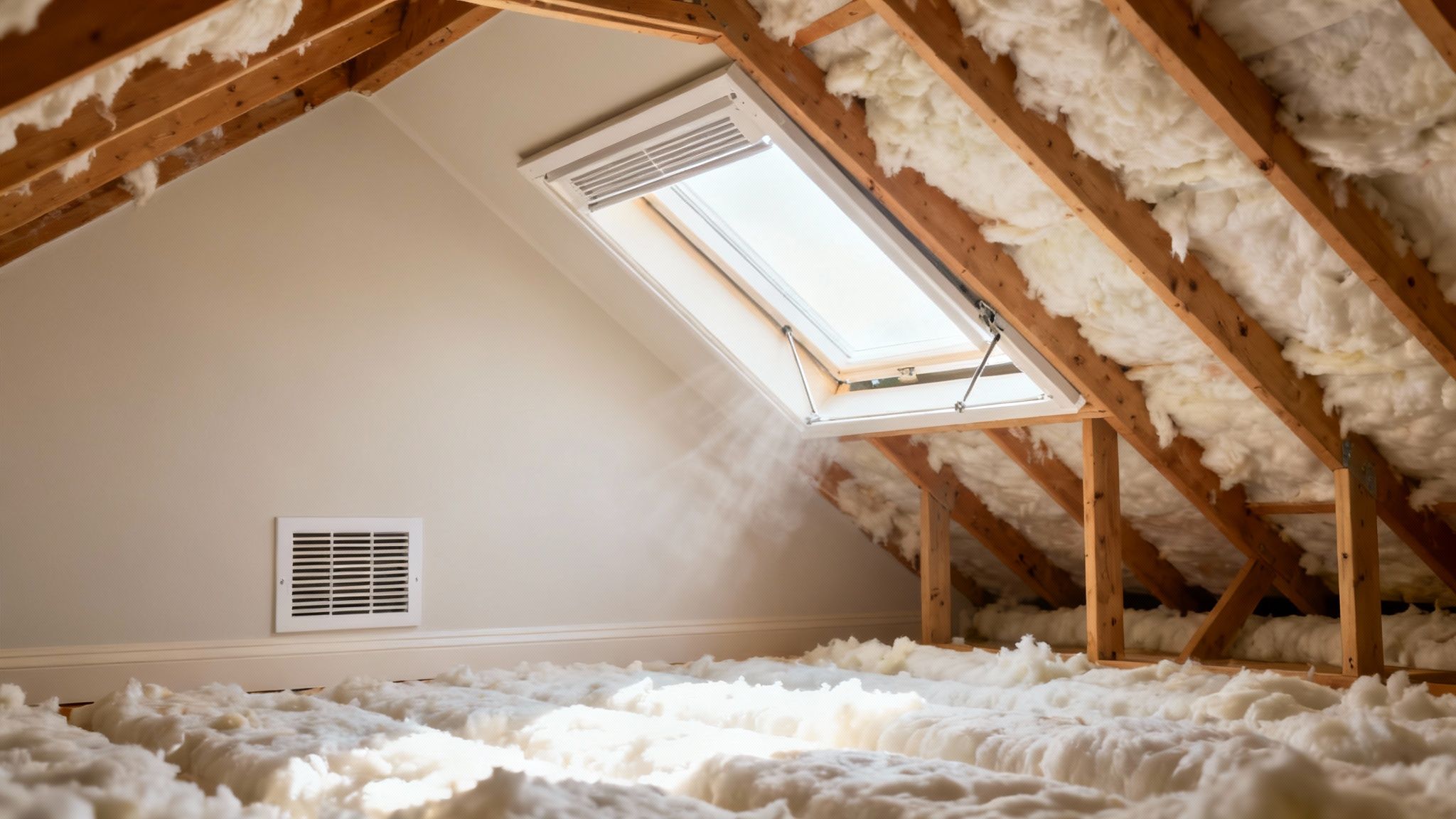
Poor ventilation allows warm, humid air to condense on roof decking.
Crawl Spaces
Moisture from the ground frequently affects these areas.
HVAC Systems
Condensation buildup inside ducts or air handlers can spread mold spores.
Closets and Storage Areas
Limited airflow allows humidity to remain trapped.
Often, by the time mold becomes visible, growth has already spread.
Why DIY Mold Cleanup Often Fails Near Waterways
Many homeowners attempt to remove mold themselves using bleach or household cleaners. While this may temporarily improve appearance, mold often returns.
Common reasons include:
• Only visible mold is cleaned
• Hidden growth remains behind materials
• Moisture problems continue
• Mold spores spread during cleaning
• Porous materials stay contaminated
Without correcting moisture sources, mold usually reappears.
How Professional Mold Inspection Helps Identify the Problem
A professional inspection focuses on locating both mold growth and moisture sources.
Typical inspection steps include:
Visual Evaluation
Inspecting attics, crawl spaces, walls, and HVAC systems.
Moisture Detection Tools
Meters and infrared cameras help find hidden damp areas.
Air or Surface Sampling (when needed)
Testing helps determine contamination levels.
Clear Explanation of Findings
Homeowners receive understandable guidance on what corrections are needed.
Local professionals familiar with coastal conditions, such as Mold Removal Merritt Island, often identify recurring moisture problems quickly because they understand how waterfront conditions affect homes.
What Proper Mold Remediation Looks Like
Professional mold remediation goes beyond surface cleaning.
A proper remediation process may include:
Containment Setup
Preventing mold spores from spreading during cleanup.
Removal of Damaged Materials
Severely contaminated drywall or insulation may require replacement.
Cleaning and Surface Treatment
Remaining surfaces are professionally cleaned.
Moisture Source Correction
Leaks or ventilation problems are corrected.
Prevention Improvements
Ventilation or moisture control upgrades help prevent recurrence.
Addressing both mold and moisture stops problems from returning.
How Waterfront Homeowners Can Prevent Mold
Preventing mold in homes near rivers and lagoons requires consistent moisture control.
Maintain Air Conditioning Systems
Regular service helps prevent condensation and airflow issues.
Monitor Indoor Humidity
Aim to keep indoor humidity below 55% when possible.
Improve Ventilation
Bathrooms and kitchens should vent outdoors.
Inspect Homes After Storms
Check ceilings, attics, and walls for leaks after heavy rain.
Address Plumbing Leaks Quickly
Even slow leaks lead to mold growth over time.
Monitor Crawl Spaces and Attics
Proper airflow and moisture barriers reduce hidden mold risk.
Routine inspections help catch problems early.
Why Local Experience Matters in Merritt Island
Homes located near Sykes Creek, Banana River, and the Indian River Lagoon face moisture challenges not seen inland.
Professionals familiar with Merritt Island homes understand:
• Seasonal humidity patterns
• Storm-related moisture intrusion risks
• Typical construction styles
• Common moisture entry points
• Frequent mold growth areas
Local experience allows faster and more effective solutions.
Protecting Your Home Near Merritt Island Waterways
Living near rivers and lagoons offers incredible lifestyle benefits, but moisture control becomes especially important. Mold problems rarely appear overnight; they usually develop gradually due to ongoing humidity or hidden leaks.
Homeowners who regularly monitor moisture, address leaks quickly, and improve ventilation often avoid serious mold problems. When necessary, experienced local professionals like Mold Removal Merritt Island can help identify moisture sources and guide proper remediation so mold does not return.
