
Mold in Vacation Rentals in Indian River: What Merritt Island Property Owners Should Know
Vacation rentals along the Indian River and throughout Merritt Island are highly desirable. Visitors come for waterfront views, boating access, and the relaxed coastal lifestyle. However, vacation rental properties also face a challenge many owners don’t anticipate until it becomes a serious issue: mold.
Because these homes experience high humidity, storms, and periods of vacancy between guests, mold problems can develop faster than in full-time residences. Owners often discover mold only after guests complain about musty odors or when routine maintenance inspections reveal hidden growth.
Understanding why mold forms in vacation rentals — and how to prevent recurring problems — helps Merritt Island property owners protect their investment and maintain positive guest experiences.
Why Vacation Rentals Face Higher Mold Risk
Vacation homes behave differently from primary residences. Occupancy patterns and maintenance routines often create conditions that allow mold to grow unnoticed.
Several factors make Indian River vacation rentals especially vulnerable.
Homes Sit Empty Between Guests
When properties remain unoccupied, air conditioning settings are often adjusted to save energy. Higher indoor temperatures and humidity can allow moisture to build up.
Doors and Windows Open Frequently
Guests often open doors or windows to enjoy waterfront breezes. Warm, humid air then enters the home and condenses on cooler indoor surfaces.
Increased Shower and Laundry Use
Short-term guests often use showers, laundry, and kitchens heavily during their stay, creating additional moisture indoors.
Limited Ventilation Awareness
Guests may not use ventilation fans properly or leave bathrooms closed after showers, allowing moisture to linger.
Coastal Environmental Conditions
Homes near the Indian River Lagoon experience constant humidity, salt air exposure, and storm-related moisture.
These factors make mold growth more likely unless moisture control is consistent.
How Mold Develops in Vacation Rentals
Mold spores are always present in the air. Growth begins when spores land on damp surfaces and find organic material to feed on.
Common materials mold grows on include:
• Drywall
• Wood framing
• Carpets and fabrics
• Insulation
• Ceiling tiles
• Furniture and stored items
In vacation rentals, moisture problems may go unnoticed between bookings, allowing mold to grow quietly until discovered later.
Often, mold becomes visible only after odors develop or staining appears.
Common Signs Mold Is Present in Rental Properties
Vacation rental owners or property managers should watch for warning signs between guest stays.
Typical signs include:
• Musty odors when entering the property
• Dark spots on walls or ceilings
• Peeling paint or bubbling drywall
• Condensation around windows or vents
• Damp closets or storage spaces
• Guests mentioning allergy-like discomfort
• Visible staining near air conditioning vents
If mold appears in the same area repeatedly, hidden moisture is likely present.
Hidden Mold Locations in Indian River Rentals
Mold often grows in areas owners and cleaning crews don’t regularly inspect.
Behind Walls
Small plumbing leaks or storm intrusion allow mold to grow unseen.
Under Flooring
Moisture trapped under tile or laminate flooring creates hidden contamination.
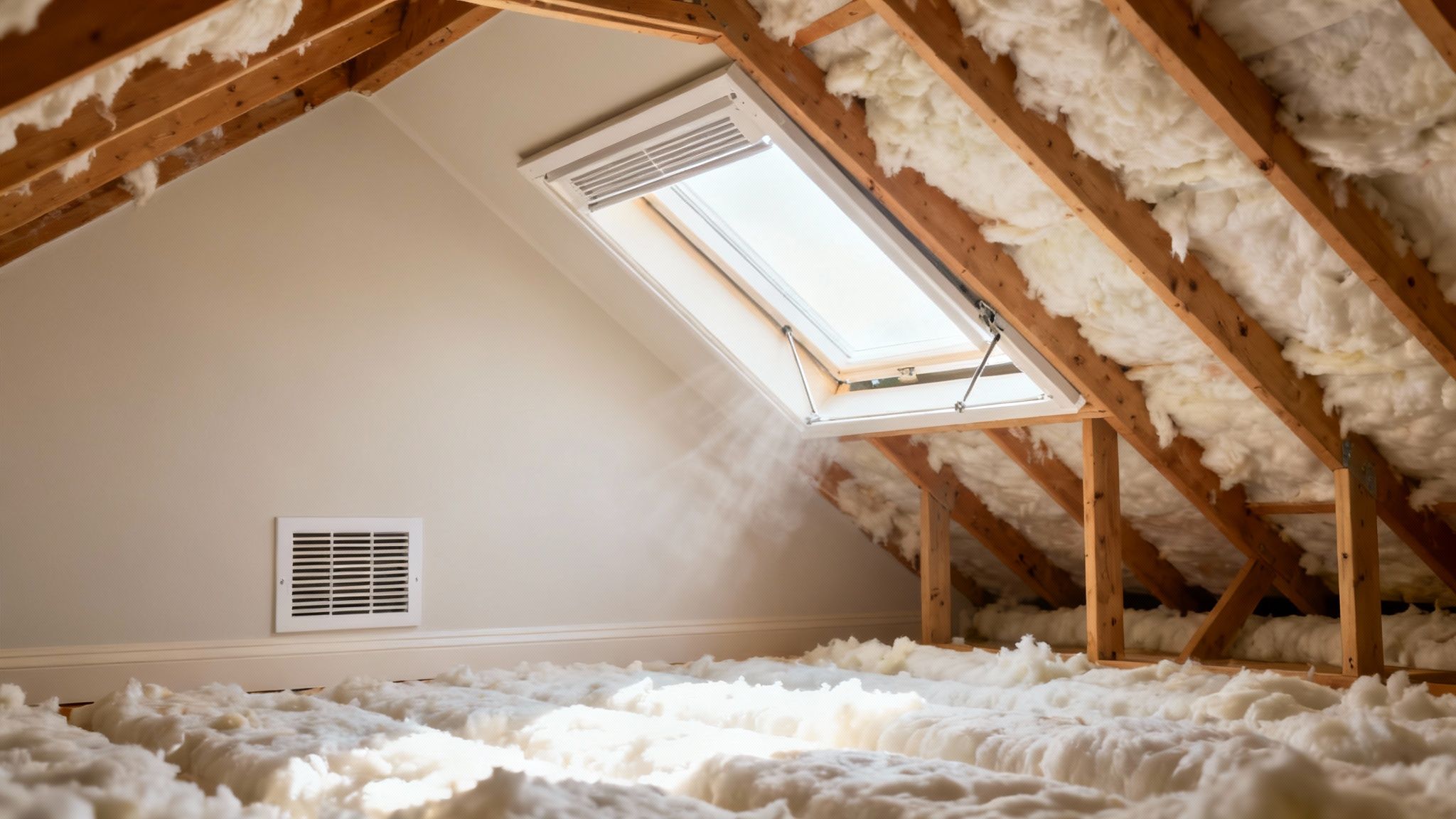
Attics
Poor ventilation allows humid air to condense under roof decking.
Crawl Spaces
Moist ground conditions frequently allow moisture to rise into homes.
HVAC Systems
Condensation buildup near air handlers or ducts can spread mold spores throughout the home.
Closets and Storage Rooms
Limited airflow allows humidity to remain trapped.
Regular inspections help identify problems before guests notice them.
Why Mold Is a Serious Issue for Vacation Rentals
Mold problems in vacation rentals can create several business and maintenance challenges.
Guest Complaints and Refund Requests
Guests expect clean, comfortable accommodations. Mold odors or visible growth often lead to complaints or refund demands.
Negative Online Reviews
Poor experiences can quickly appear in reviews, affecting future bookings.
Property Damage
Long-term mold growth damages drywall, flooring, and insulation.
Increased Maintenance Costs
Repeated cleaning or repairs become more expensive over time.
Booking Interruptions
Severe mold problems may require temporarily closing the property for remediation.
Preventing mold is far easier than dealing with guest dissatisfaction later.
Why DIY Mold Cleanup Often Fails in Rentals
Property owners sometimes attempt quick cleanup between guest stays.
Common shortcuts include:
• Bleaching visible stains
• Painting over mold spots
• Using deodorizing sprays
• Cleaning surfaces without addressing moisture
These approaches rarely work long-term because:
• Mold roots remain inside materials
• Hidden moisture is not corrected
• Spores spread during cleaning
• Mold returns quickly
Temporary fixes often lead to recurring problems.
How Professional Mold Inspection Helps Rental Owners
A professional inspection helps determine why mold is forming.
Inspection usually includes:
Visual Examination
Inspecting attics, crawl spaces, HVAC systems, and moisture-prone areas.
Moisture Detection Tools
Meters and infrared cameras locate hidden damp areas.
Air or Surface Sampling (when needed)
Testing helps measure mold levels.
Clear Explanation of Findings
Owners receive guidance on correcting moisture problems.
Local professionals familiar with coastal conditions, such as Mold Removal Merritt Island, often diagnose recurring moisture problems faster because they understand common issues in Indian River properties.
What Proper Mold Remediation Involves
When mold growth is significant, professional remediation is often required.
Remediation typically includes:
Containment Setup
Preventing spores from spreading during cleanup.
Removal of Contaminated Materials
Damaged drywall or insulation may need replacement.
Surface Cleaning and Treatment
Remaining materials are professionally cleaned.
Moisture Source Correction
Leaks, ventilation issues, or humidity problems are corrected.
Prevention Improvements
Ventilation or moisture control upgrades help prevent recurrence.
Proper remediation prevents mold from returning between guest stays.
How Vacation Rental Owners Can Prevent Mold
Consistent moisture control helps prevent mold problems.
Maintain Air Conditioning Systems
Keep systems serviced regularly and maintain consistent humidity control even when properties are vacant.
Use Dehumidification When Needed
Dehumidifiers help control moisture between bookings.
Improve Ventilation
Ensure bathrooms and kitchens vent outdoors.
Inspect After Storms
Check for leaks or damp areas following heavy rain.
Schedule Routine Property Checks
Inspect attics, crawl spaces, and closets regularly.
Educate Guests When Possible
Encourage use of ventilation fans after showers.
Regular maintenance reduces surprise mold issues.
Why Local Experience Matters for Rental Properties
Homes near the Indian River face environmental challenges not found inland.
Professionals familiar with Merritt Island homes understand:
• Seasonal humidity patterns
• Storm-related moisture risks
• Typical building styles
• Frequent moisture entry points
• Common mold growth locations
Local experience helps rental owners solve mold issues faster and avoid repeat problems.
Protecting Your Vacation Rental Investment
Mold in vacation rentals can affect guest experiences, property condition, and rental income if not handled properly. Because rentals often sit empty between bookings, moisture problems may go unnoticed until mold becomes visible.
Owners who maintain humidity control, inspect properties regularly, and address moisture quickly usually avoid major mold problems. When needed, experienced local professionals like Mold Removal Merritt Island can help property owners identify moisture sources and guide proper remediation so mold does not return.
