
Seasonal Mold Problems in Banana River: What Merritt Island Property Owners Should Know
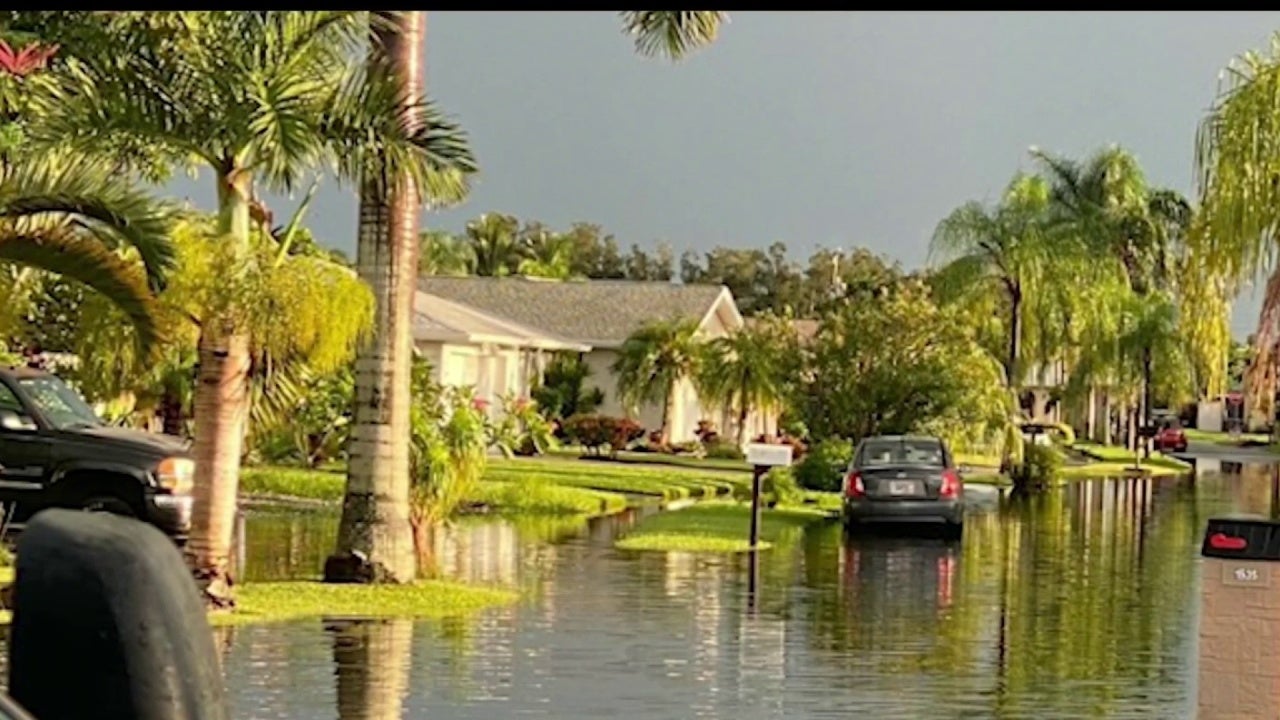
Homes near the Banana River don’t deal with mold the same way inland properties do. Here, mold risk changes with the seasons, driven by shifting humidity, rainfall patterns, temperature swings, and how often air conditioning runs.
For Merritt Island property owners, understanding seasonal mold patterns is the key to preventing surprises, protecting indoor air quality, and avoiding repeat mold problems year after year.
🧠 Why Mold Is Seasonal Near the Banana River
Mold needs three things: moisture, warmth, and organic material. Near the Banana River, those conditions rise and fall with the seasons—sometimes dramatically.
Because waterfront humidity never truly disappears, seasonal changes often accelerate existing moisture issues rather than create new ones.
🌧 Spring & Early Summer: Humidity Begins to Climb
What Happens
- Outdoor humidity rises rapidly
- Afternoon showers become more frequent
- AC systems begin running longer hours
Mold Risks
- Condensation forms on vents and exterior-facing walls
- Closets and storage rooms begin trapping moisture
- Early mold growth starts before peak summer heat
What Owners Notice
- Mild musty odors
- Damp-feeling closets
- Condensation on windows or vents
This is often when mold starts, even though it’s rarely visible yet.
🔥 Summer: Peak Mold Season in Banana River
What Happens
- Extreme humidity day and night
- Daily storms and saturated ground
- Continuous AC operation
Mold Risks
- Mold can begin growing within 24–48 hours
- HVAC systems may spread spores throughout the home
- Hidden growth expands behind walls and under flooring
Common Problem Areas
- Air handlers and drain pans
- Bathrooms and laundry rooms
- Closets on exterior walls
- Under slab flooring
Summer is when small moisture problems turn into full mold issues.
🌪 Hurricane Season: Sudden Mold Emergencies
What Happens
- Wind-driven rain enters walls and attics
- Power outages shut down AC and dehumidification
- Groundwater levels rise
Mold Risks
- Rapid mold growth after storms
- Hidden water intrusion that dries slowly
- Mold emergencies within days—not weeks
Key Risk Factor
Water damage not dried within 24–48 hours during hurricane season almost always leads to mold.
🍂 Fall: Mold Doesn’t Stop—It Hides
What Happens
- Rain decreases, but humidity remains high
- AC use becomes inconsistent
- Homes “feel dry” but aren’t
Mold Risks
- Mold continues growing in hidden areas
- Odors become noticeable as windows stay closed
- Previously wet materials never fully dried
Fall is when many owners discover mold that actually started in summer.
❄️ Winter in Coastal Florida: A False Sense of Safety
What Happens
- Cooler temperatures
- Less AC use
- Fewer storms
Mold Risks
- Reduced airflow traps humidity indoors
- Condensation forms on cooler walls and vents
- Mold persists in closets, behind furniture, and inside HVAC systems
Even in winter, Banana River homes can maintain humidity levels high enough for mold growth.
📍 Seasonal Mold Hotspots in Banana River Homes
Across all seasons, mold most often appears in:
- HVAC systems (air handlers, drain pans, ducts)
- Closets and cabinets on exterior walls
- Bathrooms and laundry rooms
- Under sinks and appliances
- Behind drywall facing the river
- Garages and utility rooms
Seasonal changes determine how fast these areas become a problem.
🚩 Seasonal Warning Signs to Watch For
- Musty odors that come and go with weather changes
- Condensation appearing seasonally on vents or windows
- Allergy or asthma symptoms that worsen indoors
- Paint bubbling or peeling after rainy periods
- Humidity readings consistently above 60%
Seasonal patterns often point directly to the moisture source.
🧪 When Seasonal Mold Testing Makes Sense
Testing is often helpful when:
- Odors appear only during certain seasons
- Health symptoms worsen at specific times of year
- Buying or selling a waterfront home
- A property had past seasonal water intrusion
Testing helps confirm whether mold activity is seasonal or ongoing.
🛠 Seasonal Mold Prevention Strategies
✅ Year-Round Humidity Control (Most Important)
- Maintain 30–50% indoor humidity
- Use dehumidifiers proactively during humid months
- Monitor humidity digitally—not by feel
✅ Adjust AC Use Seasonally
- Avoid turning AC completely off during cooler months
- Ensure condensate drains stay clear year-round
- Maintain consistent airflow
✅ Inspect After Seasonal Transitions
- Check attics and exterior walls after storms
- Inspect closets at the start of summer and fall
- Look for condensation when weather patterns shift
✅ Act Fast During Wet Seasons
Drying within 24–48 hours during summer or hurricane season prevents most mold problems.
🧪 Seasonal Mold vs. One-Time Mold Events
| Seasonal Mold | One-Time Mold |
|---|---|
| Returns yearly | Happens once |
| Driven by humidity | Driven by a leak |
| Often hidden | Often visible |
| Needs ongoing control | Needs repair |
Understanding this difference helps prevent repeat issues.
🧑🔧 Final Thoughts: Mold Follows the Seasons Near the Banana River
In Banana River homes, mold isn’t random—it’s seasonal and predictable.
For Merritt Island property owners, remember:
- Mold risk rises and falls with humidity and storms
- Summer and hurricane season are the most dangerous
- Winter mold still exists—just quieter
- Seasonal prevention beats seasonal cleanup
When moisture and humidity are managed before each season changes, mold problems stop being surprises—and start being avoidable.
