
Mold During Rainy Season in Brevard County: What Merritt Island Property Owners Should Know
Brevard County, Florida
If you’ve lived through even one rainy season in Brevard County, you know it’s not just “a little extra rain.”
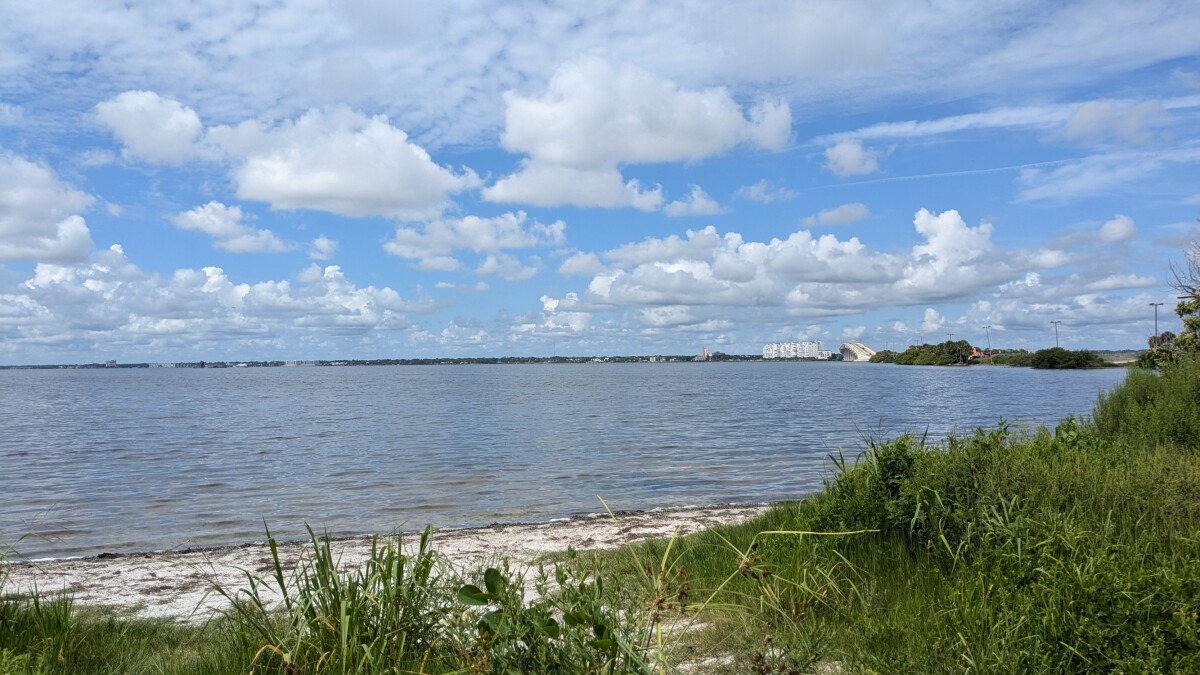
From late spring through early fall, Merritt Island sees steady downpours, afternoon thunderstorms, tropical systems, and weeks where the air feels thick enough to swim through. When that kind of moisture settles in, mold problems spike — especially in homes near the Indian River Lagoon, Sykes Creek, and the Banana River.
For property owners, the rainy season isn’t just about checking gutters. It’s about understanding how constant moisture pressure affects your home — and how quickly mold can take advantage of it.
Here’s what you should know.
What Changes During Rainy Season?
Rainy season in Brevard County creates a perfect mold environment.
You have:
- Frequent heavy rainfall
- High outdoor humidity (often 70–90%)
- Warm temperatures
- Reduced drying time between storms
When soil stays saturated and the air remains humid for weeks, your home’s building materials absorb moisture differently than they do during drier months.
Even well-maintained homes can experience elevated indoor humidity during this period.
And mold doesn’t need standing water. It just needs consistent dampness.
Why Merritt Island Homes Are Especially Vulnerable
Merritt Island isn’t just any Florida location. It’s surrounded by water.
Surrounded by Waterways
With the Indian River Lagoon on one side and the Banana River on the other, plus neighborhoods along Sykes Creek, homes here are constantly exposed to coastal humidity.
Even without rain, moisture levels remain elevated. Add daily storms, and drying becomes difficult.
High Water Table
Heavy rain raises groundwater levels quickly. That can increase moisture migration through slab foundations and into crawl spaces.
Older Construction
Some North and South Merritt Island homes were built decades ago. Older windows, roof penetrations, and ventilation systems may not handle prolonged moisture as effectively as newer builds.
Continuous AC Use
During rainy season, air conditioning runs constantly. If drain lines clog or ducts sweat in humid attics, mold growth accelerates.
It’s rarely one factor. It’s a combination.
Common Mold Scenarios During Rainy Season
Each year, we see similar patterns emerge across Merritt Island properties.
Roof Leak That Goes Unnoticed
A small flashing issue allows water into the attic during heavy storms. Insulation gets damp. Within days, mold begins forming on roof decking.
Window or Door Seepage
Wind-driven rain pushes moisture into small gaps. Drywall around windows begins absorbing water.
Slab Moisture Rising
Prolonged soil saturation increases vapor pressure through concrete slabs, especially in homes near waterfront areas.
Garage or Storage Area Dampness
Garages often lack strong ventilation. Rainy season humidity creates musty odors and surface mold on stored items.
AC Drain Line Backup
During high humidity, AC systems produce more condensation. If drain lines clog, moisture can overflow into walls or ceilings.
These situations don’t always look dramatic. But over time, they create the right conditions for mold growth.
Early Warning Signs to Watch For
Rainy season mold doesn’t always announce itself with visible black spots.
Pay attention to:
- A musty smell that appears after heavy storms
- Slight discoloration on ceilings or near windows
- Condensation on vents or walls
- Peeling paint or bubbling drywall
- Increased indoor humidity readings
- Allergic-type symptoms that worsen indoors
If the smell lingers even when windows are closed and AC is running, that’s worth investigating.
Hidden Areas Where Mold Develops During Rainy Months
In Merritt Island homes, rainy season mold often begins out of sight.
Attics
Warm, moist air rises. If attic ventilation is poor, humidity accumulates under the roof deck.
Behind Exterior Walls
Wind-driven rain can penetrate siding or stucco and remain trapped behind drywall.
Under Flooring
Moisture from slab foundations may increase during prolonged rainfall.
Inside HVAC Ducts
Sweating ducts in humid attic spaces are common during the summer.
Crawl Spaces
Homes near Sykes Creek or low-lying areas often experience damp crawl space conditions after heavy rain cycles.
These hidden spaces are why inspections matter.
Why DIY Mold Cleanup Often Fails During Rainy Season
When homeowners see mold on a wall or ceiling, the instinct is to wipe it down.
The problem is timing.
During rainy season, environmental moisture levels remain high. So even if you clean the surface, the surrounding air and building materials may still be damp.
Common issues include:
- Cleaning without addressing the leak
- Ignoring elevated humidity
- Repainting without drying
- Not checking adjacent areas
Without correcting the moisture source, mold frequently returns within weeks.
What a Proper Mold Inspection Looks Like During Rainy Season
A thorough inspection focuses on moisture behavior — not just visible growth.
In Merritt Island homes, that often includes:
Visual Assessment
Checking ceilings, window perimeters, baseboards, and attic spaces.
Moisture Detection
Measuring moisture levels in drywall, slabs, and insulation.
Humidity Evaluation
Determining whether indoor levels exceed recommended ranges.
Attic and Crawl Space Inspection
Identifying ventilation issues and storm-related intrusion.
Air sampling may be used if contamination levels are unclear or if property transactions require documentation.
Companies like Mold Removal Merritt Island approach rainy season inspections with an understanding of local climate patterns — especially how storm cycles affect coastal homes.
How Mold Remediation Is Handled During Wet Months
Remediation during rainy season requires careful drying strategies.
Containment
Affected areas are isolated to prevent spore spread.
Controlled Removal
Damaged drywall, insulation, or flooring may need removal depending on severity.
Moisture Correction
Roof repairs, window sealing, grading adjustments, or HVAC servicing are completed first.
Dehumidification
Commercial drying equipment ensures materials reach safe moisture levels before rebuilding.
Because outdoor humidity remains high, professional-grade drying equipment is often necessary.
Preventing Mold During Brevard County’s Rainy Season
Prevention in Merritt Island requires preparation before storms begin.
Here are practical steps:
- Inspect roof flashing and seals before summer
- Clean gutters and downspouts
- Ensure AC drain lines are clear
- Install or maintain attic ventilation
- Use a hygrometer to monitor indoor humidity
- Consider a whole-home dehumidifier
- Check crawl space vapor barriers
- Inspect waterfront homes more frequently
After major storms, even if there’s no visible leak, it’s wise to check attic spaces and ceilings.
Moisture doesn’t always show itself immediately.
Why Local Experience Makes a Difference
Rainy season mold in Merritt Island behaves differently than in inland Florida.
Local professionals understand:
- How tidal patterns affect groundwater
- How storm-driven rain enters coastal homes
- Common weak points in older island construction
- Seasonal humidity trends
Mold Removal Merritt Island has worked across North and South Merritt Island neighborhoods, where rain exposure and waterfront proximity change how moisture behaves.
That local insight allows for faster diagnosis and more accurate solutions.
When to Schedule an Inspection During Rainy Season
Consider scheduling an evaluation if:
- You notice musty odors after heavy rainfall
- You’ve had roof or window leaks
- Indoor humidity remains above 60%
- You’re purchasing or selling property
- Tenants report dampness
- You own a waterfront home and haven’t inspected recently
Rainy season mold doesn’t require panic. But it does require attention.
Final Thoughts for Merritt Island Property Owners
Rainy season in Brevard County is predictable. Mold growth is, too.
When heavy rainfall combines with coastal humidity and warm temperatures, moisture lingers longer than most homeowners realize. The earlier moisture issues are identified, the easier they are to correct.
Staying proactive during storm season protects both your property value and structural integrity.
Understanding how Merritt Island’s environment affects your home gives you an advantage — especially when rain becomes a daily occurrence.
Article Word Count
Approximate Word Count: 1,176 words
