
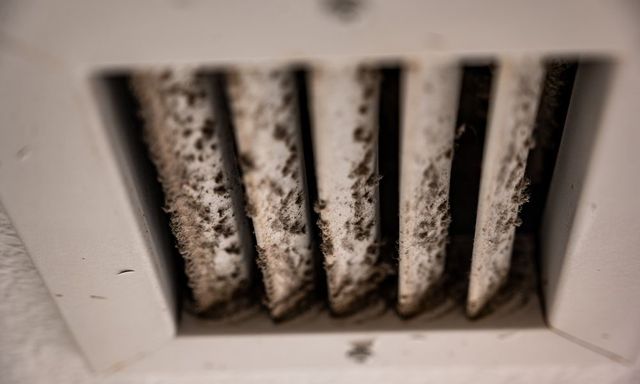
Mold From AC Condensation in South Merritt Island: What Merritt Island Property Owners Should Know
Air conditioning is essential in South Merritt Island, but it’s also one of the most overlooked sources of mold growth. In a coastal, high-humidity environment, AC condensation can quietly create the perfect conditions for mold—often inside air handlers, drain pans, ductwork, and nearby walls.
For Merritt Island property owners, understanding how AC condensation leads to mold—and how to prevent it—can protect indoor air quality, avoid costly repairs, and reduce health complaints.
🧠 How AC Condensation Leads to Mold in South Merritt Island
Air conditioners remove heat, but managing moisture takes extra care—especially near the coast.
❄️ Condensation Is Constant in Humid Climates
As warm, humid air passes over cold AC coils, moisture condenses. In South Merritt Island, this happens almost nonstop during much of the year. That water must drain properly—every time.
If it doesn’t, moisture accumulates and mold can grow.
💧 Common AC-Related Moisture Problems
Mold from AC condensation often starts due to:
- Clogged or slow condensate drain lines
- Overflowing or cracked drain pans
- Improperly sloped drain lines
- Dirty evaporator coils
- Insufficient airflow from clogged filters
- Oversized AC systems that cool too fast and leave humidity behind
These issues allow moisture to linger where mold thrives.
📈 Why AC Condensation Mold Is a Serious Issue
😷 Indoor Air Quality & Health Concerns
When mold grows inside AC systems, spores can be distributed throughout the home via ductwork. Occupants may experience:
- Persistent musty odors
- Coughing or congestion
- Headaches or fatigue
- Allergy or asthma flare-ups
Symptoms often worsen when the AC is running.
🏚 Hidden Structural Damage
Condensation-related leaks can affect:
- Drywall around air handlers
- Ceilings and walls below attic units
- Insulation and framing
Because the moisture source is ongoing, damage can spread quickly if not addressed.
📉 Property Value & Rental Complaints
AC-related mold frequently leads to:
- Tenant complaints
- Failed inspections
- Increased maintenance costs
- Reduced resale appeal
Early intervention prevents repeat problems.
🔍 Warning Signs of Mold From AC Condensation
AC-related mold often shows subtle clues before visible growth.
🚩 Signs to Watch For
- Musty smells when AC turns on
- Water stains near air handlers or vents
- Dripping or pooled water around AC units
- Mold-like residue near vents
- Persistent indoor humidity despite cooling
- Allergy or respiratory symptoms indoors
These signs should never be ignored.
🧪 How AC Condensation Mold Is Identified
🔎 HVAC & Moisture Inspection
A professional evaluation may include:
- Inspection of drain lines and pans
- Coil and air handler assessment
- Moisture readings in surrounding walls and ceilings
- Airflow and system performance checks
🧫 Mold & Air Testing (When Needed)
Testing may be useful when:
- Odors persist without visible mold
- Health symptoms are reported
- Documentation is needed for rentals or insurance
Testing helps confirm whether the AC system is contributing to mold exposure.
🧼 Proper Response to AC Condensation Mold
⏱ Act Quickly—Moisture Is Ongoing
Unlike one-time leaks, AC condensation is continuous.
Proper response may include:
- Clearing or repairing drain lines
- Replacing damaged drain pans
- Cleaning or replacing contaminated insulation or drywall
- HEPA air filtration
- Antimicrobial treatment of affected areas
- Correcting airflow or sizing issues
Simply wiping visible mold does not solve the problem.
🛠 Preventing Mold From AC Condensation in South Merritt Island
✅ Maintain AC Systems Regularly
- Replace filters every 1–3 months
- Clean condensate drain lines routinely
- Inspect drain pans for cracks or rust
✅ Control Indoor Humidity
- Maintain 30–50% indoor humidity
- Use dehumidifiers if needed
- Monitor humidity with digital hygrometers
✅ Ensure Proper Airflow
- Keep vents and returns unobstructed
- Avoid running systems with dirty filters
- Address uneven cooling promptly
✅ Inspect After Peak Summer Use
High-demand seasons increase condensation risk. Routine checks prevent surprises.
🧪 AC Mold vs. Other Mold Sources
- AC condensation mold often starts near air handlers and vents
- Plumbing or roof mold usually follows isolated leaks
Identifying the source is critical to preventing recurrence.
🧑🔧 Final Thoughts: Comfort Systems Can Become Mold Sources
In South Merritt Island, air conditioning is a necessity—but it must be managed carefully to avoid mold.
For Merritt Island property owners, remember:
- AC systems produce moisture every day
- Small drainage issues can cause big mold problems
- Mold in HVAC systems affects the whole home
- Regular maintenance is the best prevention
Keeping your AC system clean, draining properly, and balanced for humidity protects both comfort and indoor air quality..
