
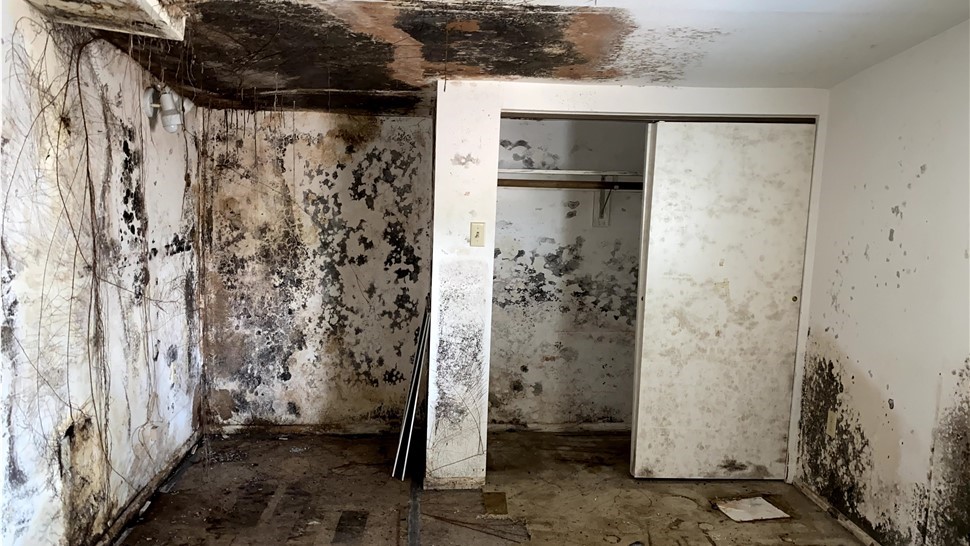
How Fast Mold Grows in Florida in Sykes Creek: What Merritt Island Property Owners Should Know
Homeowners in Sykes Creek are often surprised at how quickly mold appears after a leak, storm, or moisture problem. A small water issue may seem minor at first, but within days, musty smells or dark spots can begin showing up on walls or ceilings.
Because Sykes Creek sits within Merritt Island’s coastal lagoon system, homes here face constant humidity exposure. Combined with Florida’s heat and frequent storms, conditions are ideal for mold growth.
One of the most common questions property owners ask is:
How fast does mold actually grow in Florida?
The answer is faster than most people expect. Understanding mold growth timelines helps homeowners act quickly and prevent serious damage.
How Mold Growth Actually Starts
Mold spores are always present in the air, both indoors and outdoors. They are microscopic and harmless until they land on a damp surface and begin growing.
Mold needs three basic conditions:
• Moisture
• Warm temperatures
• Organic material (such as drywall or wood)
Florida homes provide all three conditions almost year-round.
Once moisture is introduced into a home — from a leak, flood, condensation, or humidity buildup — mold spores can begin developing quickly.
How Fast Mold Can Grow in Florida Homes
Under Florida conditions, mold growth can begin within 24 to 48 hours after materials become wet.
Here is a general timeline seen in many Sykes Creek homes:
First 24 Hours
Water intrusion occurs from a leak, storm, or condensation. Materials such as drywall or carpet begin absorbing moisture.
24–48 Hours
Mold spores begin settling on damp surfaces and start colonizing.
48–72 Hours
Early mold growth may begin forming, although still invisible to homeowners.
3–7 Days
Musty odors develop. Mold colonies expand and may become visible in corners, walls, or ceilings.
1–2 Weeks
Growth spreads, and materials begin deteriorating. Mold may now be visible on multiple surfaces.
Several Weeks or Longer
Mold can spread behind walls, under flooring, or into insulation, making removal more complex.
In Florida’s warm and humid climate, mold growth happens much faster than in drier states.
Why Mold Grows So Quickly in Sykes Creek Homes
Homes in Sykes Creek face unique environmental conditions that speed up mold growth.
Constant Coastal Humidity
Humidity levels remain high most of the year, keeping indoor air moist even when air conditioning runs.
Nearby Waterways
Being surrounded by lagoon waters means more moisture exposure in the environment.
Storms and Heavy Rain
Storm systems frequently lead to minor leaks or water intrusion that homeowners don’t always notice immediately.
AC Condensation
Air conditioning systems run heavily in Florida, sometimes producing condensation issues or duct leaks.
High Ground Moisture
Moisture from soil and crawl spaces can rise into homes, especially after storms.
All these factors combine to create ideal mold growth conditions.
Common Places Mold Appears First
Mold often starts growing in areas homeowners don’t regularly check.
Behind Walls
Slow plumbing leaks or storm intrusion allow mold to develop unseen.
Under Flooring
Moisture trapped beneath laminate or tile flooring creates hidden mold conditions.
Attics
Warm humid air condenses in poorly ventilated attics, feeding mold growth.
Crawl Spaces
Ground moisture frequently keeps crawl spaces damp.
HVAC Systems
Moisture buildup in air handlers or ducts spreads mold spores throughout homes.
Around Windows and Doors
Condensation buildup often feeds mold growth around frames.
By the time mold becomes visible, it may already be widespread.
Signs Mold May Already Be Growing
Because mold develops quickly, homeowners often notice warning signs before visible growth appears.
Look for:
• Musty odors indoors
• Damp or humid feeling rooms
• Paint bubbling or peeling
• Dark spots on ceilings or walls
• Condensation on windows
• Warped drywall or flooring
• Increased dust or stale air indoors
If these signs appear after a leak or storm, mold growth may already be underway.
Why Waiting Makes Mold Worse
Many homeowners delay addressing small leaks or moisture issues, assuming things will dry out naturally.
In Florida, that rarely happens.
Moisture trapped behind materials can remain for weeks, allowing mold to spread deeper into walls, insulation, and framing.
Delays often lead to:
• Larger mold areas
• More materials needing removal
• Higher remediation costs
• Persistent odors
• Repeated mold problems
Quick action usually prevents larger repairs later.
Why DIY Drying or Cleaning Often Fails
Homeowners sometimes attempt to handle water damage themselves.
Common problems include:
Surface Drying Only
Fans or towels dry visible surfaces, but moisture remains trapped inside materials.
Bleach or Cleaners Used
Surface mold may fade temporarily, but growth inside materials remains.
Moisture Source Not Fixed
Leaks or humidity issues continue feeding mold.
Spores Spread During Cleaning
Improper cleaning spreads mold spores to other rooms.
Without correcting moisture fully, mold typically returns.
How Professional Mold Inspection Helps
A professional inspection focuses on finding both mold growth and moisture sources.
A proper inspection typically includes:
Visual Examination
Checking attics, crawl spaces, HVAC systems, and walls.
Moisture Detection Tools
Meters and thermal cameras locate hidden moisture.
Air or Surface Testing (when needed)
Testing helps measure mold levels and determine contamination extent.
Simple Explanation of Findings
Homeowners receive clear guidance on what needs correction.
Local companies familiar with Merritt Island conditions, such as Mold Removal Merritt Island, understand how coastal moisture affects homes and can often identify problems faster.
What Proper Mold Remediation Involves
True remediation involves correcting both mold and moisture.
Professional remediation may include:
Containment Setup
Preventing mold spores from spreading.
Removal of Damaged Materials
Contaminated drywall or insulation may require replacement.
Cleaning and Treatment
Remaining surfaces are professionally cleaned.
Moisture Source Correction
Leaks or humidity problems are resolved.
Prevention Improvements
Ventilation or moisture control steps reduce recurrence.
Stopping mold requires eliminating moisture sources.
How Homeowners Can Prevent Fast Mold Growth
Prevention focuses on moisture control.
Address Water Problems Immediately
Even small leaks should be fixed quickly.
Maintain Air Conditioning Systems
Proper airflow and drainage prevent condensation problems.
Keep Indoor Humidity Controlled
Aim for humidity levels below 55%.
Inspect Homes After Storms
Check ceilings, attics, and walls after heavy rain.
Improve Ventilation
Bathrooms and kitchens should vent outdoors.
Monitor Crawl Spaces and Attics
Ensure moisture barriers and airflow improvements are in place.
Regular checks help stop mold before it spreads.
Why Local Knowledge Matters for Mold Prevention
Homes around Sykes Creek experience moisture challenges not seen inland.
Professionals familiar with Merritt Island understand:
• Seasonal humidity changes
• Storm-related water risks
• Typical building styles
• Common mold growth areas
• Coastal moisture behavior
This experience helps solve problems efficiently.
Acting Quickly Makes the Biggest Difference
In Florida’s climate, mold can begin growing within days after moisture appears. Waiting even a short time can allow mold to spread behind walls and flooring.
Homeowners who act quickly after leaks or storms usually avoid larger repairs and repeated mold problems. When needed, experienced local professionals like Mold Removal Merritt Island can help determine the extent of moisture problems and guide proper solutions.
The key lesson for Sykes Creek homeowners is simple:
Moisture problems need fast attention. The sooner moisture is addressed, the less chance mold has to grow and spread inside your home.
