
Mold Myths and Facts in North Merritt Island: What Merritt Island Property Owners Should Know
Mold problems are common across Merritt Island, but misinformation about mold is even more common. Many homeowners in North Merritt Island believe certain things about mold that simply aren’t true, and these myths often lead to recurring problems, unnecessary expenses, and frustration.
From homes near Sykes Creek to properties along the Banana River and neighborhoods closer to the Indian River Lagoon, moisture conditions create ongoing mold challenges. When homeowners rely on incorrect advice or outdated information, mold problems tend to return.
Understanding the difference between mold myths and real facts helps property owners make smarter decisions and protect their homes long-term.
Let’s separate common misconceptions from what actually happens in Merritt Island homes.
What Mold Really Is and Why It Matters
Mold is a naturally occurring fungus that grows wherever moisture and organic material exist. Outdoors, mold plays an important role in breaking down organic matter. Indoors, however, mold growth can damage building materials and create unpleasant living conditions.
Mold spreads through microscopic spores that float in the air. These spores are always present, even in clean homes. Problems begin when spores land on damp surfaces and start growing.
In North Merritt Island, constant humidity, storm exposure, and cooling systems running year-round create ideal conditions for mold growth indoors.
The key factor is not spores — it’s moisture.
Why Mold Issues Are Common in North Merritt Island
Living in a coastal environment means moisture management is a constant challenge.
Several local conditions make mold more likely:
High Humidity Levels
Humidity levels stay elevated much of the year. Even air-conditioned homes can have humidity pockets where mold thrives.
Proximity to Waterways
Homes near Sykes Creek, the Banana River, and Indian River experience higher moisture exposure due to nearby water and marsh conditions.
Storm and Rain Exposure
Heavy rain and tropical storms often cause roof leaks or hidden water intrusion that homeowners may not notice immediately.
AC Condensation Problems
Air conditioning systems remove heat but can create condensation issues when ducts or units are improperly maintained.
Older Construction Methods
Many older North Merritt Island homes lack modern moisture barriers or ventilation, increasing mold risk.
Common Mold Myths Homeowners Believe
Let’s look at several myths that frequently lead to mold returning in homes.
Myth: Bleach Completely Kills Mold
Many homeowners believe bleach solves mold problems.
Fact: Bleach may remove visible staining but often fails to eliminate mold roots growing inside porous materials like drywall or wood. Mold frequently returns once moisture remains.
Myth: Mold Only Grows in Dirty Homes
Some people assume mold is a cleanliness issue.
Fact: Mold grows due to moisture, not dirt. Even clean homes can develop mold after leaks, storms, or humidity problems.
Myth: Small Mold Spots Aren’t Serious
Homeowners often ignore small patches, assuming they’re harmless.
Fact: Visible mold may only represent a small portion of a larger hidden problem inside walls or ceilings.
Myth: Mold Only Appears After Flooding
Flood damage can certainly lead to mold, but it’s not the only cause.
Fact: Slow leaks, condensation, and everyday humidity can create mold growth without flooding ever occurring.
Myth: Painting Over Mold Solves the Problem
Some homeowners paint over mold to hide stains.
Fact: Paint doesn’t kill mold. Growth often returns beneath the paint if moisture continues.
Myth: Mold Only Grows in Bathrooms
Bathrooms are common mold locations, but not the only ones.
Fact: Mold frequently grows in attics, closets, HVAC systems, crawl spaces, and behind walls.
Signs Mold May Be Returning
Mold often reappears quietly before homeowners realize it’s happening again.
Watch for:
• Musty or damp odors
• Dark spots on walls or ceilings
• Peeling paint or bubbling surfaces
• Damp areas near vents or windows
• Persistent condensation indoors
• Rooms feeling humid or stale
• Allergy-like reactions indoors
Recurring signs often indicate moisture remains somewhere in the home.
Hidden Mold Locations in Merritt Island Homes
In North Merritt Island homes, mold often grows in overlooked spaces.
Behind Walls
Slow plumbing leaks or storm intrusion allow hidden mold growth inside wall cavities.
Under Flooring
Water trapped beneath tile or laminate flooring can feed mold growth unseen.
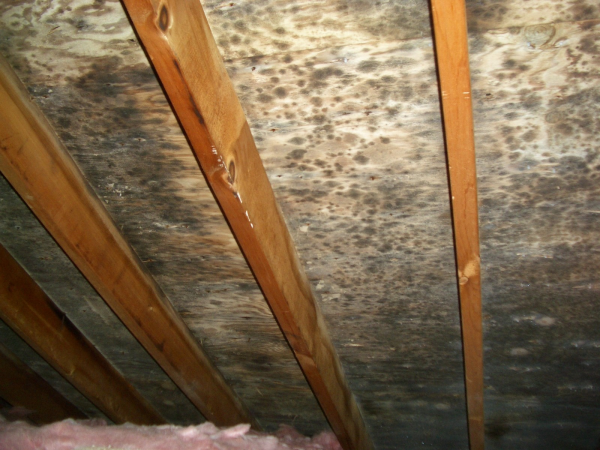
Attics
Warm, moist air entering poorly ventilated attics causes condensation and widespread mold.
Crawl Spaces
Moist ground conditions often keep crawl spaces damp.
HVAC Systems
Moisture inside ducts or air handlers can distribute mold spores throughout the home.
Previous Water Damage Areas
Past repairs sometimes leave hidden moisture behind surfaces.
Why DIY Mold Removal Often Doesn’t Work
Homeowners frequently attempt to remove mold themselves, only to see it return.
Common problems include:
Only Surface Cleaning Is Done
Visible mold may be removed while hidden growth remains.
Moisture Source Isn’t Fixed
Leaks, humidity, or condensation issues continue.
Spores Spread During Cleaning
Improper cleaning spreads mold spores to new areas.
Wrong Products Are Used
Household cleaners often don’t address deep contamination.
DIY efforts may temporarily improve appearance but rarely solve the root problem.
How Professional Mold Inspection Helps
A proper mold inspection focuses on identifying moisture sources and hidden growth.
Professional inspections typically involve:
Visual Assessment
Inspecting attics, crawl spaces, walls, and HVAC systems.
Moisture Detection Tools
Meters and thermal imaging locate hidden damp areas.
Air or Surface Sampling (when necessary)
Testing helps measure mold levels and types present.
Clear Explanation of Findings
Results are explained in homeowner-friendly language.
Local companies familiar with coastal conditions, such as Mold Removal Merritt Island, often diagnose recurring problems faster because they understand typical moisture patterns in local homes.
Proper Mold Remediation Process
Real mold remediation goes beyond cleaning surfaces.
A professional approach includes:
Containment of Affected Areas
Preventing spores from spreading to clean areas.
Removal of Contaminated Materials
Damaged drywall or insulation may need replacement.
Thorough Cleaning of Surfaces
Remaining materials are cleaned and treated.
Moisture Source Correction
Leaks, ventilation, or humidity issues are addressed.
Prevention Improvements
Steps are taken to prevent recurrence.
Correcting moisture issues is essential to stopping mold permanently.
Preventing Mold in North Merritt Island Homes
Homeowners can reduce mold risk through consistent moisture control.
Maintain Air Conditioning Systems
Regular maintenance prevents condensation and airflow problems.
Improve Ventilation
Bathrooms, kitchens, and laundry rooms should vent outdoors.
Monitor Indoor Humidity
Aim to keep humidity below 55%.
Inspect Homes After Storms
Look for leaks or damp areas following heavy rain.
Fix Small Leaks Quickly
Minor plumbing issues can lead to mold over time.
Check Attics and Crawl Spaces
Ensure moisture barriers and airflow improvements are in place.
Proactive maintenance reduces long-term repair costs.
Why Local Experience Matters for Mold Problems
Homes in North Merritt Island face unique moisture challenges compared to inland areas.
Professionals familiar with local homes understand:
• Seasonal humidity patterns
• Common construction styles
• Storm-related risks
• Typical moisture entry points
• Frequent mold growth locations
This experience helps identify and correct problems efficiently.
Taking the Right Approach to Mold Problems
Mold myths often lead homeowners to treat symptoms rather than solve the real problem. Cleaning alone rarely stops mold if moisture conditions remain.
When mold returns repeatedly, it usually signals hidden moisture that needs professional evaluation. Early inspection and correction prevent larger repair costs and recurring frustration.
When needed, experienced local providers like Mold Removal Merritt Island can help property owners identify the root cause and correct conditions allowing mold growth.
Understanding mold facts instead of myths gives homeowners the best chance to keep their homes dry, healthy, and mold-free for the long term.
