
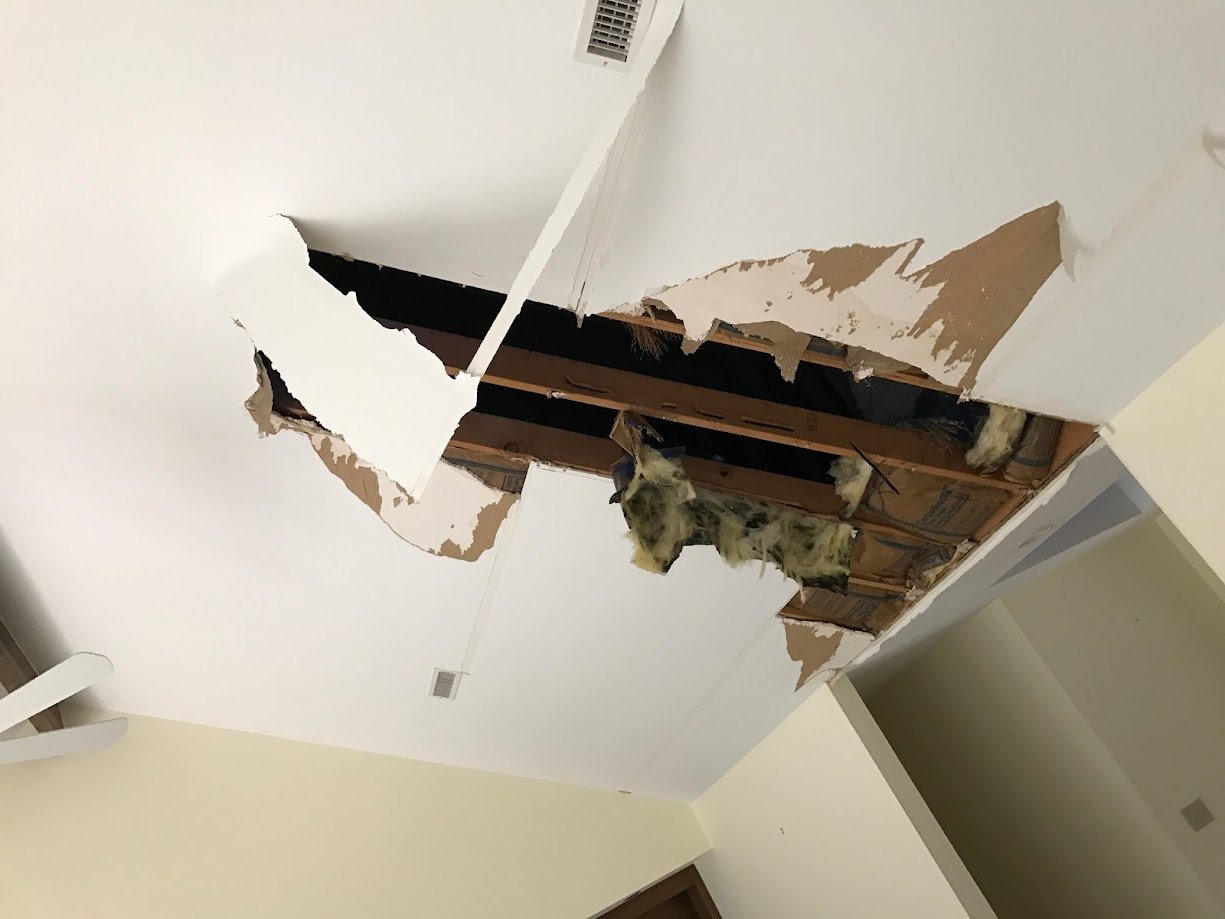
Mold After Roof Leaks in North Merritt Island: What Merritt Island Property Owners Should Know
Homes in North Merritt Island enjoy beautiful surroundings near Sykes Creek and the Indian River Lagoon, but living in a coastal environment also means dealing with frequent storms, heavy rains, and persistent humidity. One of the most common problems local homeowners face after storms is roof leakage — and one of the most common consequences of roof leaks is mold growth.
Many property owners focus on repairing visible roof damage or ceiling stains after a leak, but mold often develops quietly in hidden areas long before visible problems appear. By the time mold becomes noticeable, moisture may already have spread into insulation, walls, or flooring.
Understanding how mold develops after roof leaks and how to respond quickly helps North Merritt Island property owners protect both their homes and indoor comfort.
How Roof Leaks Lead to Mold Growth
Mold requires moisture, warmth, and organic material to grow. When a roof leak occurs, rainwater can travel through roofing materials and into attic spaces, insulation, and ceilings.
Even small roof leaks allow water to soak into materials such as:
- Ceiling drywall
- Attic insulation
- Wooden roof framing
- Interior walls
- Flooring below leak areas
- HVAC duct insulation
Because these materials hold moisture, they may remain damp long after rain stops. In Florida’s warm climate, mold can begin growing within 24 to 48 hours if areas are not fully dried.
In many North Merritt Island homes, water spreads farther than homeowners realize, leading to hidden mold growth.
Why Roof Leak Mold Problems Are Common in North Merritt Island
Several local conditions increase the likelihood of roof leaks and mold growth.
Frequent Storm and Hurricane Activity
Brevard County regularly experiences heavy rain and tropical storms. Wind-driven rain can lift shingles or force water into small roof openings.
Coastal Humidity
Even after leaks stop, humidity slows drying inside attics and ceilings, allowing mold to develop.
Aging Roofing Materials
Older roofing systems may deteriorate over time, making homes more vulnerable to leaks during storms.
Waterfront Exposure
Homes near waterways face higher moisture exposure and strong storm winds that can damage roofing materials.
Delayed Leak Detection
Some leaks remain hidden until ceiling stains appear, by which time moisture has already spread.
Because leaks may be small and intermittent, mold often grows before homeowners realize repairs are needed.
Common Signs Mold May Be Developing After a Roof Leak
Roof leaks often create warning signs before mold becomes visible. Property owners should watch for changes after storms or heavy rain.
Common signs include:
- Ceiling stains or discoloration
- Musty odors indoors
- Paint bubbling or peeling
- Sagging ceiling areas
- Damp insulation in attics
- Moldy smells when AC runs
- Warped walls or baseboards
- Increased indoor humidity
Sometimes odors appear before any visible staining is noticed.
Closets or rooms beneath attic leak areas often show problems first.
Hidden Mold Locations After Roof Leaks
Professional inspections frequently reveal mold in areas homeowners rarely inspect.
Common hidden mold locations include:
Attic Insulation
Wet insulation holds moisture and provides an ideal environment for mold growth.
Roof Framing
Wood framing inside attics can remain damp long after leaks occur.
Ceiling Cavities
Water may spread horizontally before soaking through drywall, allowing mold to grow unseen.
Interior Walls
Water can travel down walls and create mold growth far from the original leak.
HVAC Systems
Leaks near ductwork can introduce moisture into air distribution systems.
Flooring Below Leak Areas
Water may eventually reach flooring materials, creating hidden contamination.
Homes near Sykes Creek sometimes experience repeated minor roof leaks that gradually worsen mold problems.
Why DIY Cleanup Often Misses Roof Leak Mold Problems
Homeowners sometimes clean ceiling stains or repaint damaged areas without addressing moisture behind surfaces. While cosmetic repairs may improve appearance temporarily, mold often remains hidden.
Bleach or cleaning products do not penetrate drywall or insulation deeply enough to remove mold roots. Mold frequently returns if damp materials remain.
Painting over stains traps moisture and hides contamination, allowing mold to continue growing.
Professional inspections help determine whether contamination extends beyond visible areas.
What Happens During a Professional Mold Inspection After a Roof Leak
Professional inspections focus on identifying both mold contamination and moisture sources.
Inspection steps typically include:
- Visual inspection of ceilings and attic spaces
- Moisture measurements in walls and ceilings
- Inspection of insulation conditions
- Roof and ventilation checks
- HVAC system evaluation
- Air or surface testing when appropriate
Testing may compare indoor mold spore levels to outdoor air to determine whether mold growth is active.
Inspectors familiar with North Merritt Island homes, including professionals experienced with situations commonly addressed by Mold Removal Merritt Island, often recognize recurring storm-related moisture patterns quickly.
Early inspection helps prevent larger structural repairs.
How Mold Remediation Works After Roof Leaks
Professional remediation focuses on safely removing mold while correcting moisture conditions.
Typical remediation steps include:
- Containment barriers to prevent spore spread
- HEPA air filtration during cleanup
- Removal of contaminated insulation or drywall when necessary
- Cleaning structural framing
- Thorough drying of affected areas
- Repairing roof leak sources
- Replacing damaged materials
- Prevention planning
Once leaks are repaired and materials are properly dried, mold growth typically stops recurring.
Prompt remediation helps restore indoor comfort and prevent further damage.
How Property Owners Can Prevent Mold After Roof Leaks
Preventive action after storms is essential in North Merritt Island.
Helpful prevention steps include:
- Inspecting roofs after heavy storms
- Checking attics for wet insulation
- Addressing leaks immediately
- Drying affected areas quickly
- Servicing HVAC systems regularly
- Monitoring ceilings for stains
- Maintaining roof seals and flashing
- Scheduling professional inspections after storms
Homes near waterways benefit from extra inspections following hurricane season.
Quick action reduces repair costs.
Why Local Experience Matters in Roof Leak Mold Situations
Moisture behavior varies depending on climate and construction style. Professionals familiar with Merritt Island homes understand how coastal storms, humidity, and local roofing designs influence leak and mold problems.
Local experience allows inspectors to quickly identify recurring trouble spots and recommend solutions suited to North Merritt Island homes.
Many homes in the area share similar construction patterns, making regional expertise especially helpful when diagnosing roof-related mold concerns.
A Practical Next Step for Property Owners
If your home experienced roof leaks after storms or you notice ceiling stains or musty odors, scheduling a professional inspection can help determine whether hidden mold growth is developing.
Most mold problems after roof leaks can be resolved effectively once moisture sources are corrected and contaminated materials are treated properly. Early evaluation helps protect property value while maintaining comfortable indoor conditions.
Whether you own or manage property in North Merritt Island, proactive roof inspections and moisture control help ensure homes remain safe, dry, and protected from mold-related damage after storms.
