
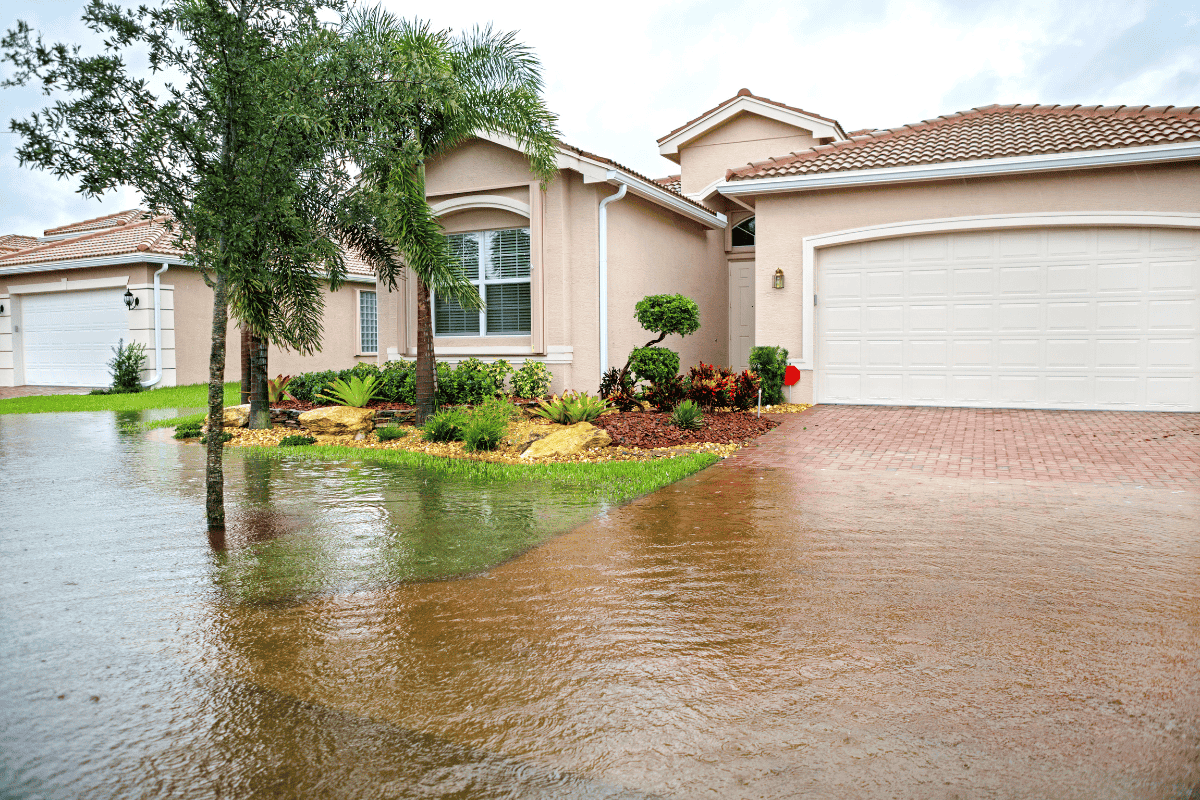
Mold in New Construction in Merritt Island: What Merritt Island Property Owners Should Know
Many homebuyers in Merritt Island assume that purchasing a newly built home means they won’t have to worry about mold for years to come. New construction homes offer modern layouts, updated materials, and improved energy efficiency. However, even brand-new homes along the Indian River, Banana River, and surrounding Merritt Island communities can develop mold problems when moisture issues occur during or after construction.
In fact, mold in new construction is becoming increasingly common across coastal Florida. Rapid building schedules, unpredictable weather, and constant humidity create conditions where moisture can become trapped inside structures before a home is fully completed.
Understanding how mold appears in new homes and how to prevent it helps Merritt Island property owners protect their investment from the start.
Why Mold Can Appear in Brand-New Homes
Mold requires three basic conditions to grow: moisture, organic material, and warm temperatures. Even new homes contain materials mold can grow on, including:
- Wood framing
- Drywall
- Insulation
- Flooring materials
- Dust and debris from construction
If these materials become wet or remain damp during construction, mold spores naturally present in Florida’s air can begin growing before walls are even closed.
Because mold may grow inside walls or attics during construction, homeowners may move into a new home already containing hidden moisture problems.
Why New Construction Mold Is Common in Merritt Island
Homes built in Merritt Island face environmental conditions that make moisture control challenging during construction.
Coastal Humidity During Construction
Humidity remains high throughout most of the year. Materials stored or installed on-site often absorb moisture before homes are sealed and climate controlled.
Rain and Storm Delays
Construction projects frequently experience rain delays. Framing and drywall materials sometimes get wet before roofs, windows, or doors are fully installed.
Rapid Construction Timelines
Builders often work quickly to meet demand, which can leave insufficient time for wet materials to dry completely before finishing construction.
Ground Moisture and Slab Foundations
Concrete slabs can release moisture for months after pouring. Without proper drying or moisture barriers, humidity can enter flooring materials.
HVAC Systems Installed Before Full Drying
Air conditioning systems may begin running while construction moisture remains trapped, allowing mold to develop in ducts or air handlers.
Because moisture problems are not always visible, mold may remain hidden until homeowners begin living in the home.
Signs Mold May Be Present in a New Home
Homeowners often assume problems in a new home must be minor, but mold sometimes appears shortly after move-in.
Common warning signs include:
- Musty odors shortly after occupancy
- Odors stronger when AC runs
- Visible spots on walls or ceilings
- Paint bubbling or peeling
- Excess indoor humidity
- Damp closets or storage areas
- Warped flooring or baseboards
- Condensation forming on vents or windows
Closets, bathrooms, and rooms against exterior walls often show problems first.
New homeowners sometimes notice these signs within months of purchase.
Hidden Areas Mold Often Develops in New Homes
Professional inspections in Merritt Island new construction homes frequently uncover mold growth in concealed areas.
Common hidden locations include:
Inside Wall Cavities
Wet framing or insulation may remain damp after construction, allowing mold to develop behind drywall.
Attics
Attic spaces sometimes trap humid air if ventilation systems are not properly balanced.
HVAC Systems
Construction dust and moisture can accumulate inside air handlers and ducts, allowing mold to spread through airflow.
Under Flooring
Moisture from slab foundations or construction spills can become trapped beneath flooring materials.
Crawl Spaces
Ground moisture may rise into new homes without proper vapor barriers or ventilation.
Because these areas are hidden, mold often spreads before detection.
Why Mold Problems Can Surprise New Homeowners
Many buyers believe mold problems only occur in older homes, but new construction properties have unique vulnerabilities.
Common reasons mold surprises homeowners include:
- Trusting new materials must be dry
- Not expecting moisture during construction
- Lack of post-construction inspections
- Assuming warranty covers all issues
- Not noticing humidity problems early
Without inspection, mold may continue growing quietly until odors or visible damage appear.
Why DIY Mold Cleanup Often Misses Construction-Related Problems
New homeowners sometimes attempt to clean small visible mold spots themselves. However, mold in new construction often originates behind finished surfaces.
Bleach or household cleaners may remove stains temporarily, but mold often returns because moisture remains hidden inside walls or flooring.
Painting over stains or cleaning surfaces without identifying moisture sources simply masks the problem.
Professional inspections help determine whether contamination extends beyond visible areas.
What Happens During a Professional Mold Inspection in New Homes
Professional inspections help determine whether moisture from construction or other sources is contributing to mold growth.
Inspection steps typically include:
- Visual evaluation of affected areas
- Moisture readings inside walls and floors
- Attic inspections
- HVAC system evaluation
- Ventilation assessments
- Air or surface testing when appropriate
Testing may compare indoor mold spore levels with outdoor air to determine whether mold is actively growing indoors.
Inspectors familiar with Merritt Island construction patterns, including professionals experienced with situations regularly addressed by Mold Removal Merritt Island, often recognize recurring moisture issues affecting new homes.
Early inspection prevents small issues from becoming major repairs.
How Mold Remediation Works in New Construction Homes
Proper remediation focuses on removing contamination while correcting moisture conditions.
Typical remediation steps include:
- Containment barriers to prevent spore spread
- HEPA air filtration during cleanup
- Removal of contaminated drywall or insulation when necessary
- Cleaning structural components
- Thorough drying of affected areas
- Correcting moisture or ventilation problems
- Replacing damaged materials
- Prevention recommendations
Once moisture conditions are corrected, mold growth typically stops recurring.
Prompt remediation protects both home structure and indoor comfort.
How Homeowners Can Prevent Mold in New Homes
New homeowners can take steps to reduce mold risks early.
Helpful prevention tips include:
- Scheduling inspections shortly after move-in
- Monitoring indoor humidity levels
- Running AC systems consistently during humid weather
- Keeping closets and storage areas ventilated
- Checking attic ventilation performance
- Inspecting roofs after storms
- Watching for condensation around vents
- Ensuring HVAC systems receive regular maintenance
- Using dehumidifiers when needed
- Addressing leaks immediately
Homes near waterways benefit from additional humidity monitoring during summer months.
Prevention is much easier than remediation later.
Why Local Experience Matters in New Construction Mold Issues
Moisture behavior varies depending on climate and construction style. Professionals familiar with Merritt Island homes understand how coastal humidity, storms, and local building practices influence mold growth.
Local experience allows inspectors to quickly identify common trouble spots and recommend solutions suited to new construction homes.
Many new homes across Merritt Island share similar environmental exposure, making regional expertise especially helpful when diagnosing mold concerns.
A Practical Next Step for Merritt Island Property Owners
If your new home develops musty odors, humidity issues, or visible moisture damage, scheduling a professional inspection can help determine whether mold growth is developing.
Most mold problems in new homes can be corrected effectively once moisture sources are identified and contaminated materials are treated properly. Early evaluation helps protect property value while maintaining comfortable indoor living conditions.
Whether your home was recently built or completed within the last few years, proactive inspections and moisture control help ensure your Merritt Island property remains safe, dry, and protected from mold-related damage long after construction is finished.
