
Mold in Rental Properties in Indian River: What Merritt Island Property Owners Should Know
Mold is one of the most common and costly issues affecting rental properties near the Indian River, where waterfront humidity, frequent rain, and high tenant turnover create constant moisture challenges. In rentals, mold problems often escalate faster—because early warning signs can be missed between tenants or misunderstood during occupancy.
For Merritt Island property owners, understanding how mold develops in rental properties, who is typically affected, and how to prevent disputes and damage is critical for protecting income, property value, and long-term compliance.
🧠 Why Rental Properties in Indian River Are High-Risk for Mold
Rental homes and units face unique pressures that owner-occupied homes often don’t.
🌊 Waterfront Humidity & Condensation
Indian River properties experience persistent coastal humidity. Moist air enters rentals through doors, windows, and ventilation systems. When it meets air-conditioned interiors, condensation forms on:
- Exterior-facing walls
- Windows and sliders
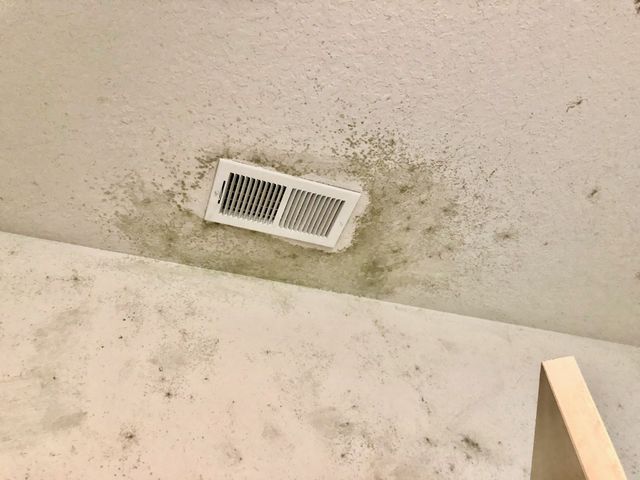
- HVAC components and ductwork
If humidity isn’t controlled, mold can develop even without leaks.
🏠 Gaps Between Tenants
Vacancy periods often involve:
- AC systems turned off or set too high
- Closed homes with no ventilation
- Undetected leaks going unnoticed
These conditions allow moisture to build up and mold to grow before the next tenant moves in.
🚿 Variable Tenant Habits
Daily living habits affect moisture levels. Common issues include:
- Not using bathroom exhaust fans
- Overcrowding units
- Delayed reporting of leaks
- Blocking HVAC airflow
Even well-maintained properties can develop mold if moisture isn’t managed.
📈 Why Mold in Rental Properties Is a Serious Issue
Mold in rentals affects more than just the structure.
😷 Tenant Health & Complaints
Mold exposure may lead to:
- Coughing or congestion
- Headaches or fatigue
- Allergy or asthma flare-ups
Health complaints are often the first sign of hidden mold—and can quickly escalate into disputes if not addressed promptly.
🏚 Property Damage
Left untreated, mold can damage:
- Drywall and insulation
- Flooring and baseboards
- Cabinets and subflooring
What starts as a minor moisture issue can require extensive remediation.
📉 Liability, Turnover & Lost Income
Mold problems in rentals often result in:
- Lease terminations
- Vacancy downtime
- Repair and remediation costs
- Reputational damage
Early detection protects both tenants and rental income.
🔍 Common Mold Hotspots in Indian River Rentals
Property owners should monitor:
- Bathrooms and kitchens
- Under sinks and around appliances
- HVAC closets, drain pans, and ducts
- Exterior-facing walls
- Flooring near slab edges
- Closets and enclosed rooms
These areas are especially vulnerable in rental settings.
🧪 How Mold Is Identified in Rental Properties
🔎 Mold Inspection
A professional inspection may include:
- Moisture readings in walls and floors
- HVAC system evaluation
- Inspection of prior water-damage areas
- Review of ventilation effectiveness
🧫 Mold Testing
Testing may be used when:
- Tenant health complaints persist
- Mold isn’t visible but suspected
- Documentation is needed for disputes or records
Results help guide remediation and protect owners legally.
🧼 Addressing Mold in Indian River Rentals
Effective mold control requires speed and documentation.
🧰 Professional Remediation May Include:
- Containment to protect occupied spaces
- Removal of contaminated materials
- HEPA air filtration
- Antimicrobial cleaning
- Repair of leaks or ventilation issues
- Post-remediation verification
DIY fixes often fail—and can increase liability if mold returns.
🛠 Preventing Mold in Rental Properties
Prevention is far less expensive than remediation.
✅ Control Indoor Humidity
- Maintain 30–50% indoor humidity
- Use dehumidifiers during humid months
- Ensure HVAC systems operate continuously
✅ Inspect Between Tenants
- Check under sinks and appliances
- Inspect HVAC systems and drain lines
- Look for musty odors or moisture staining
✅ Respond Quickly to Maintenance Requests
- Treat leaks as urgent
- Document repairs and drying efforts
- Follow up after water events
✅ Educate Tenants
Clear guidance on ventilation, leak reporting, and humidity control reduces mold risk significantly.
🧪 Rental Mold vs. Owner-Occupied Mold
- Rental mold often spreads faster due to turnover and shared responsibility
- Owner-occupied mold is usually identified sooner
Proactive inspections and documentation are especially important for rentals.
🧑🔧 Final Thoughts: Mold Prevention Protects Income
In Indian River, mold issues in rental properties are common—but they don’t have to become costly or contentious.
For Merritt Island property owners, remember:
- Waterfront humidity increases mold risk year-round
- Gaps between tenants are a critical risk period
- Fast response prevents disputes and damage
- Moisture control is the most effective long-term solution
Staying proactive protects your property, your tenants, and your rental income.
