
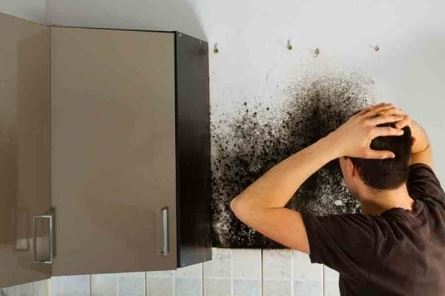
Mold in Kitchens in Indian River: What Merritt Island Property Owners Should Know
Mold in kitchens is a common but often overlooked issue for homes near the Indian River, where high humidity, waterfront air, and daily water use combine to create ideal conditions for mold growth. Kitchens contain multiple moisture sources—sinks, appliances, plumbing lines, and steam from cooking—making them one of the most mold-prone areas in Merritt Island homes.
For Merritt Island property owners, understanding why kitchen mold develops, where it hides, and how to prevent it can help protect property value, reduce maintenance costs, and safeguard occupant health.
🧠 Why Kitchens in Indian River Homes Are Mold Hotspots
Kitchens naturally generate moisture, but Indian River conditions intensify the risk.
🌊 Waterfront Humidity & Condensation
Homes near the Indian River experience elevated humidity year-round. When humid air mixes with air-conditioned interiors, condensation forms on cool surfaces such as:
- Cabinet interiors
- Plumbing pipes
- Exterior-facing kitchen walls
This trapped moisture provides the perfect environment for mold growth.
🚰 Plumbing & Appliance Moisture
Kitchens contain several hidden water sources, including:
- Leaking sink pipes
- Dishwasher supply and drain lines
- Refrigerator ice maker connections
Even slow leaks under sinks or behind appliances can support mold growth for months before detection.
🏠 Older Homes & Cabinet Construction
Many Indian River–area homes were built decades ago and may have:
- Older cabinetry made from porous materials
- Limited ventilation in kitchen layouts
- Aging plumbing components
These factors allow moisture to linger behind cabinets and inside walls.
📈 Why Kitchen Mold Should Be Taken Seriously
Kitchen mold often starts small—but it can quickly spread if ignored.
😷 Health Concerns
Mold exposure in kitchens may cause:
- Sneezing or congestion
- Coughing or wheezing
- Eye or skin irritation
- Headaches or fatigue
Because kitchens are high-use areas, exposure can be frequent.
🏚 Hidden Structural Damage
Visible mold under a sink may only be part of the problem. Mold often spreads to:
- Cabinet bases and backs
- Drywall behind sinks and dishwashers
- Subflooring beneath cabinets
Left untreated, this damage can require extensive repairs.
📉 Property Value & Rental Issues
Kitchen mold is a common reason for:
- Tenant complaints
- Failed inspections
- Delayed home sales
Prompt attention helps protect long-term property value.
🔍 Common Signs of Mold in Kitchens
Property owners should watch for:
- Musty odors inside cabinets
- Dark staining under sinks
- Warped or soft cabinet bases
- Peeling paint near plumbing fixtures
- Persistent dampness around appliances
These signs often indicate hidden moisture problems.
🧪 When Kitchen Mold Requires Professional Help
Surface cleaning isn’t always enough.
🔎 Mold Inspection
A professional inspection can identify:
- Hidden mold behind cabinets
- Moisture sources causing repeated growth
- Spread beyond the kitchen area
🧫 Mold Testing
Testing may be helpful when:
- Health symptoms persist
- Mold keeps returning
- The extent of contamination is unclear
Lab results help determine whether remediation is necessary.
🧼 How Kitchen Mold Is Properly Addressed
Effective mold removal focuses on both cleanup and prevention.
🧰 Professional Remediation May Include:
- Containment to prevent spore spread
- Removal of contaminated cabinetry or drywall
- Antimicrobial cleaning
- HEPA air filtration
- Repair of plumbing leaks or moisture sources
DIY cleaning alone rarely prevents mold from returning if moisture remains.
🛠 Preventing Kitchen Mold in Indian River Homes
Prevention starts with moisture control and routine checks.
✅ Inspect Plumbing Regularly
- Check under sinks monthly
- Inspect dishwasher and refrigerator connections
- Repair leaks immediately
✅ Improve Ventilation
- Use range hoods when cooking
- Ensure ventilation fans function properly
- Allow airflow inside cabinets
✅ Control Indoor Humidity
- Maintain 30–50% indoor humidity
- Use dehumidifiers in humid seasons
- Avoid blocking HVAC vents
✅ Use Moisture-Resistant Materials
- Water-resistant cabinet materials
- Mold-resistant drywall behind sinks
- Non-porous flooring when renovating
🧪 Kitchen Mold vs. Whole-Home Mold
- Kitchen mold usually starts from plumbing or appliance moisture
- Whole-home mold may develop if moisture spreads through walls or HVAC systems
Addressing kitchen mold early helps prevent larger problems.
🧑🔧 Final Thoughts: Small Leaks, Big Consequences
In Indian River homes, kitchens are one of the most common places for mold to develop—but they’re also one of the easiest areas to protect with routine maintenance.
For Merritt Island property owners, remember:
- Waterfront humidity increases kitchen mold risk
- Mold often hides under sinks and behind cabinets
- Small leaks can cause major damage over time
- Early detection saves money and protects value
Staying proactive with kitchen inspections and moisture control keeps mold from turning into a costly problem.
