
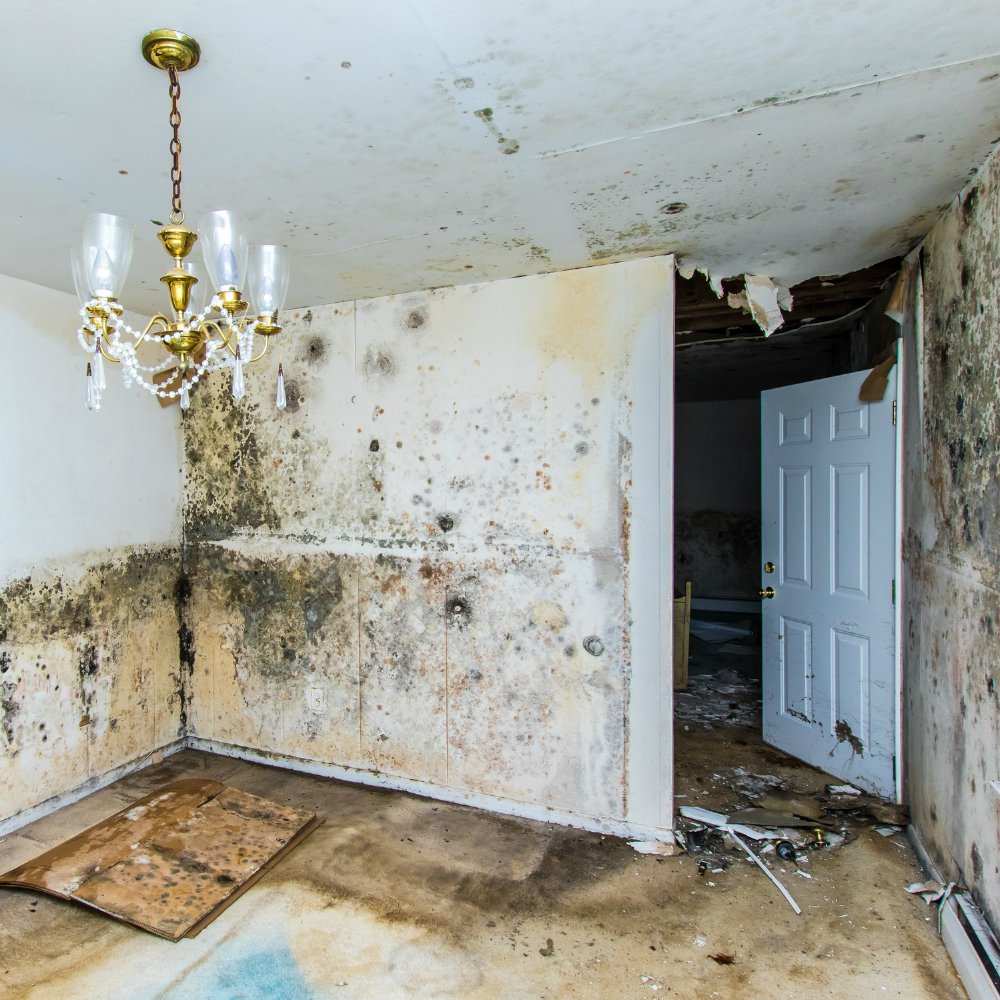
Mold After Flooding in South Merritt Island: What Merritt Island Property Owners Should Know
Mold after flooding is one of the most serious risks facing properties in South Merritt Island, where coastal proximity, low-lying areas, and heavy storms make flooding a recurring concern. When floodwater enters a home or rental property, mold growth can begin quickly—often before the full extent of the damage is visible.
For Merritt Island property owners, understanding how flooding leads to mold, how fast it spreads, and what steps to take immediately can prevent long-term structural damage, health issues, and costly remediation.
🧠 Why Flooding Leads to Mold So Quickly in South Merritt Island
Floodwater introduces large amounts of moisture into a structure, and Florida’s climate makes drying especially difficult.
🌴 High Humidity Slows Drying
Even after standing water is removed, humid air keeps materials damp. Drywall, wood framing, insulation, and flooring absorb water and may stay wet for days or weeks.
In these conditions, mold can begin growing in as little as 24–48 hours.
🌊 Common Flooding Sources
Flooding in South Merritt Island often comes from:
- Heavy rain and tropical storms
- Storm surge or coastal overflow
- Poor drainage or saturated soil
- Overflowing canals or waterways
Floodwater often reaches wall cavities, subfloors, and crawlspaces—areas where mold grows unnoticed.
📈 Why Mold After Flooding Is a Major Problem
Flooding damage doesn’t end when the water recedes.
😷 Health Risks
Mold exposure after flooding may cause:
- Persistent coughing or wheezing
- Nasal congestion and sinus irritation
- Skin or eye irritation
- Headaches and fatigue
Children, seniors, and individuals with asthma or allergies are especially vulnerable.
🏚 Structural Damage
Flood-related mold can weaken:
- Drywall and insulation
- Wood framing and subfloors
- Cabinets and baseboards
What starts as flood damage can turn into major reconstruction if mold is not addressed.
📉 Property Value & Rental Impact
Unresolved mold after flooding can lead to:
- Tenant complaints or vacancy
- Delayed home sales
- Reduced property value
- Insurance disputes
Fast action protects both income and long-term value.
🧪 How Mold Is Detected After Flooding
Mold is often hidden after a flood.
🔍 Mold Inspection
A professional inspection focuses on:
- Moisture trapped behind walls and under floors
- Areas reached by floodwater
- Crawlspaces, attics, and HVAC systems
🧫 Mold Testing
Testing may include:
- Air samples to measure airborne mold spores
- Surface samples from flood-affected materials
Testing helps determine whether mold growth has begun and how severe it is.
🧼 Proper Response After Flooding
The first 48 hours after flooding are critical.
🧰 Immediate Flood Response
Best practices include:
- Stopping the water source if possible
- Removing standing water quickly
- Using professional drying and dehumidification
- Removing water-damaged porous materials
Fans alone are rarely sufficient in South Merritt Island’s humidity.
🧼 Mold Remediation (If Needed)
If mold develops, remediation may involve:
- Containment to prevent spore spread
- Removal of contaminated materials
- HEPA air filtration
- Antimicrobial cleaning
- Repair of moisture and drainage issues
Skipping steps often leads to mold returning.
🏠 When Merritt Island Property Owners Should Act Immediately
You should act without delay if:
- Floodwater entered living spaces
- Materials remained wet longer than 24–48 hours
- Musty odors develop days or weeks later
- Visible mold appears
- Occupants experience new health symptoms
Waiting almost always increases cost and damage.
🛠 Preventing Mold After Flooding
While flooding can’t always be prevented, mold often can.
✅ Dry Thoroughly and Quickly
Professional drying equipment dramatically reduces mold risk compared to household fans.
✅ Control Indoor Humidity
- Maintain 30–50% humidity
- Use dehumidifiers after flooding
- Ensure HVAC systems are functioning properly
✅ Inspect Hidden Areas
- Behind drywall near flood lines
- Under flooring and cabinets
- Crawlspaces and wall cavities
✅ Improve Drainage & Protection
- Clear gutters and drains
- Ensure water flows away from foundations
- Address grading or drainage issues
🧪 Flood Damage vs. Mold Damage
- Flood damage introduces moisture
- Mold damage develops afterward if moisture remains
Stopping water is only the first step—drying and inspection are just as important.
🧑🔧 Final Thoughts: Flooding Requires Immediate Mold Awareness
In South Merritt Island, flooding and mold often go hand in hand—but serious mold problems are not inevitable with the right response.
For Merritt Island property owners, remember:
- Mold can begin within 24–48 hours after flooding
- Hidden moisture is the biggest risk
- Professional drying and inspection save money
- Early remediation protects health and property value
Treat every flood event as a mold risk, and you’ll greatly reduce long-term damage and stress.
