
Hidden Mold in Brevard County: What Merritt Island Property Owners Should Knon
Hidden mold is one of the most common—and costly—property issues in Brevard County, especially in Merritt Island, where high humidity, coastal air, and frequent storms create constant moisture challenges. Unlike visible mold, hidden mold grows out of sight, often spreading for months before anyone realizes there’s a problem.
For Merritt Island property owners, understanding where hidden mold forms, why it’s so common locally, and how to detect it early can protect property value, reduce remediation costs, and safeguard occupant health.
🧠 What Is Hidden Mold?
Hidden mold refers to mold growth that develops in areas not easily visible during everyday use, such as:
- Behind drywall and baseboards
- Under flooring or carpet padding
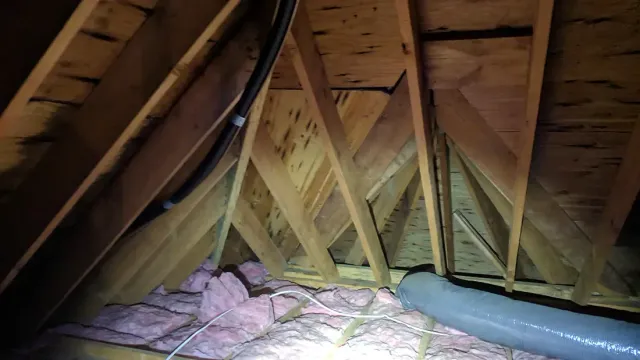
- Inside attics and crawlspaces
- Within HVAC systems and ductwork
- Behind cabinets or appliances
Because it’s concealed, hidden mold often becomes extensive before it’s discovered.
🌴 Why Hidden Mold Is So Common in Brevard County
Brevard County’s environment creates ideal conditions for unseen mold growth.
🌊 High Humidity & Coastal Air
Warm, humid air regularly enters buildings through doors, windows, and ventilation systems. When that air meets cooler indoor surfaces, condensation forms inside walls and ceilings—fueling hidden mold growth.
🏠 Aging Homes & Building Design
Many Merritt Island homes and rentals were built decades ago and may have:
- Limited insulation
- Older roofing or flashing
- Outdated ventilation systems
These features allow moisture to linger where mold can grow undetected.
💧 Minor Leaks That Go Unnoticed
Hidden mold often starts from small issues like:
- Slow plumbing leaks behind walls
- Roof leaks that don’t drip visibly
- HVAC condensation problems
- Past water damage that wasn’t fully dried
Even small moisture sources can lead to significant mold over time.
📈 Why Hidden Mold Is a Serious Concern
Hidden mold isn’t harmless just because you can’t see it.
😷 Health Symptoms Without Obvious Cause
Occupants may experience:
- Persistent coughing or congestion
- Headaches or fatigue
- Eye or skin irritation
- Worsening asthma or allergy symptoms
Because the mold isn’t visible, symptoms are often dismissed or misattributed.
🏚 Structural Damage Over Time
Hidden mold feeds on organic building materials, slowly damaging:
- Drywall
- Wood framing
- Insulation
- Flooring systems
By the time mold is discovered, repairs may be extensive.
📉 Property Value & Rental Issues
Hidden mold can lead to:
- Tenant complaints or lease disputes
- Delayed real estate transactions
- Reduced appraisals or buyer hesitation
Early detection helps avoid costly surprises.
🔍 Signs Hidden Mold May Be Present
Even when mold isn’t visible, warning signs often appear.
🚩 Common Indicators
- Persistent musty or earthy odors
- Unexplained humidity or condensation
- Warped floors or bubbling drywall
- Peeling paint or discoloration
- Ongoing health complaints from occupants
These signs often warrant a professional inspection.
🧪 How Hidden Mold Is Detected
Hidden mold can’t be confirmed by sight alone.
🔎 Mold Inspection
A professional inspection typically includes:
- Visual assessment of high-risk areas
- Moisture detection in walls, ceilings, and floors
- HVAC and attic evaluations
🧫 Mold Testing
When needed, testing may involve:
- Air sampling to measure airborne spores
- Surface sampling from suspected areas
Lab results help determine whether mold is present and whether remediation is required.
🧼 How Hidden Mold Is Properly Addressed
Hidden mold requires more than surface cleaning.
🧰 Professional Remediation
Effective remediation typically includes:
- Containment to prevent spore spread
- Removal of contaminated materials
- HEPA air filtration
- Antimicrobial cleaning
- Repair of the moisture source
Skipping steps often leads to mold returning.
🛠 Preventing Hidden Mold in Merritt Island Properties
Prevention focuses on moisture control and routine monitoring.
✅ Control Indoor Humidity
- Keep humidity between 30–50%
- Use dehumidifiers in damp areas
- Ensure proper airflow throughout the property
✅ Maintain HVAC Systems
- Clean condensate lines and drip pans
- Replace filters regularly
- Schedule seasonal inspections
✅ Inspect for Leaks Regularly
- Check roofs after storms
- Inspect under sinks and behind appliances
- Monitor attics and crawlspaces
✅ Act Fast After Water Damage
Dry all water intrusion within 24–48 hours to prevent mold growth.
🧪 Hidden Mold vs. Visible Mold
- Visible mold is easier to identify and address early
- Hidden mold often spreads extensively before detection
Both require professional attention—but hidden mold typically causes more damage due to delayed discovery.
🧑🔧 Final Thoughts: What You Can’t See Can Hurt Your Property
In Brevard County, hidden mold is one of the biggest risks facing Merritt Island property owners.
Key takeaways:
- High humidity makes hidden mold common
- Mold often grows behind walls and under floors
- Health symptoms may appear before mold is seen
- Early inspections save money and protect value
Staying proactive with inspections and moisture control is the best way to keep hidden mold from becoming a costly problem.
