
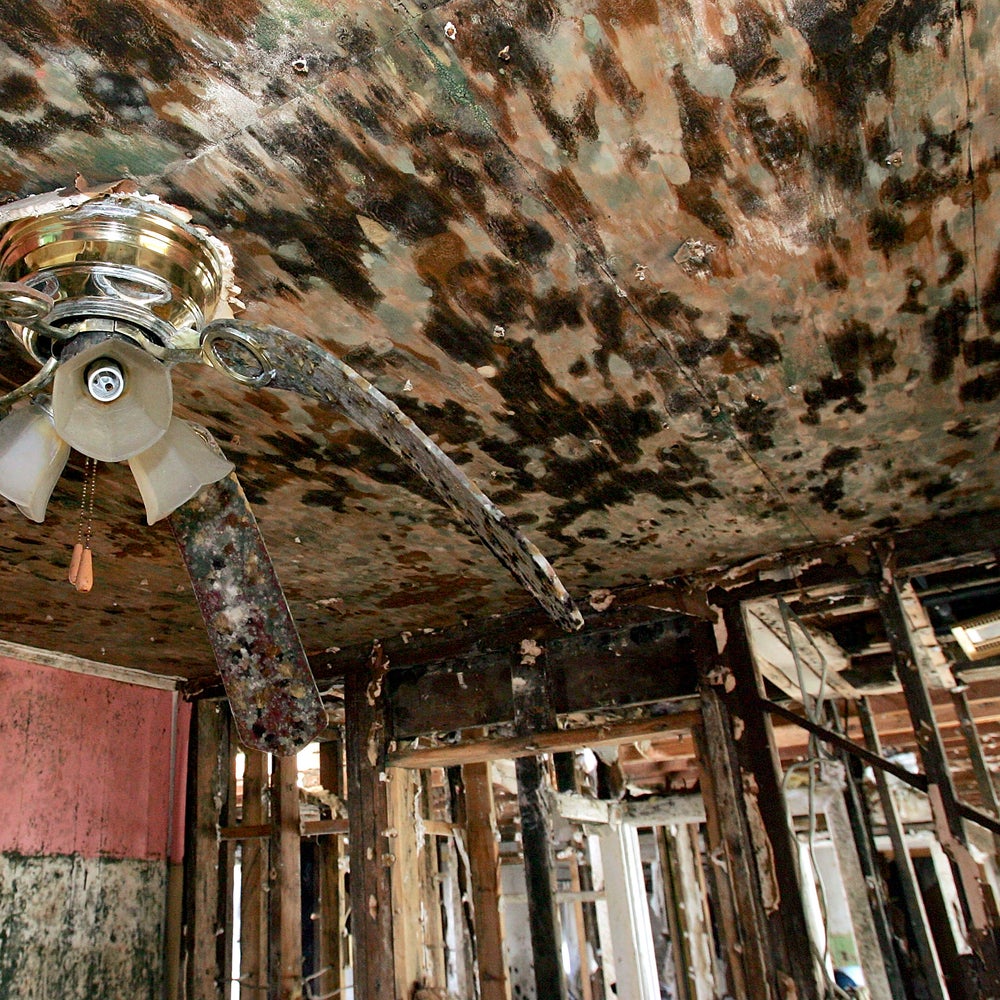
Toxic Mold in Indian River: What Merritt Island Property Owners Should Know
Toxic mold is one of the most serious indoor air quality concerns for properties near the Indian River, where high humidity, waterfront exposure, and frequent storms create ideal conditions for mold growth. Homes and rental properties in this area are especially vulnerable to hidden moisture issues that allow toxic mold to develop behind walls, under flooring, and inside HVAC systems—often without immediate warning signs.
For Merritt Island property owners, understanding what toxic mold is, why it occurs, and how to respond appropriately is essential for protecting both occupant health and long-term property value.
🧠 What Is Toxic Mold?
“Toxic mold” is a general term used to describe certain mold species that can produce mycotoxins—substances that may cause health problems with prolonged or significant exposure. Not all mold is toxic, and mold color alone does not determine toxicity.
Toxic mold commonly grows on moisture-affected materials such as:
- Drywall and sheetrock
- Wood framing
- Insulation
- Carpet backing
- Ceiling tiles
The key factor is ongoing moisture, not just mold presence.
🌊 Why Indian River Properties Are at Higher Risk
Properties near the Indian River face environmental conditions that increase the likelihood of toxic mold.
🌴 Waterfront Humidity & Condensation
Living near the river means:
- Elevated humidity year-round
- Moist air entering through doors, windows, and vents
- Condensation forming on cool indoor surfaces
This moisture often accumulates inside wall cavities, ceilings, and HVAC systems—prime environments for toxic mold growth.
🏠 Older Homes & Building Design
Many Indian River homes were built decades ago and may include:
- Limited insulation
- Aging roofs or flashing
- Outdated ventilation systems
These factors allow moisture to linger unnoticed.
💧 Storms, Leaks, and Flooding
Roof leaks, plumbing failures, and storm-related water intrusion can introduce moisture into:
- Attics
- Crawlspaces
- Walls and flooring systems
If moisture isn’t fully dried within 24–48 hours, toxic mold can begin to develop.
📈 Why Toxic Mold Is a Serious Concern
Toxic mold goes beyond cosmetic or odor issues.
😷 Potential Health Risks
Exposure may contribute to:
- Persistent coughing or wheezing
- Nasal congestion and sinus irritation
- Eye or skin irritation
- Headaches, fatigue, or dizziness
Children, seniors, and individuals with asthma, allergies, or weakened immune systems are especially vulnerable.
🏚 Structural Damage
Toxic mold feeds on organic building materials. Over time, it can weaken drywall, wood, insulation, and flooring—leading to extensive repairs.
📉 Property Value Impact
Unresolved toxic mold issues may result in:
- Tenant complaints or vacancies
- Delayed real estate transactions
- Lower property appraisals
Prompt identification and remediation help protect investment value.
🧪 How Toxic Mold Is Identified
Toxic mold cannot be confirmed by appearance alone.
🔍 Professional Mold Inspection
A mold inspection evaluates:
- Visible growth
- Moisture sources
- Musty odors
- Hidden water damage
🧫 Mold Testing
Testing may include:
- Air samples to measure airborne spore levels
- Surface samples to identify mold species
Laboratory analysis helps determine whether mycotoxin-producing molds are present and whether remediation is required.
🧼 How Toxic Mold Is Safely Addressed
Toxic mold should never be handled with DIY cleaning methods alone.
🧰 Professional Remediation Process
Proper remediation typically includes:
- Containment to prevent spore spread
- Removal of contaminated materials (drywall, insulation, carpet)
- HEPA air filtration to clean indoor air
- Antimicrobial cleaning of remaining surfaces
- Moisture source repair to prevent recurrence
Skipping steps often leads to mold returning—and worsening.
🏠 When Merritt Island Property Owners Should Act
Immediate action is recommended when:
- Dark or spreading mold is visible
- Musty odors persist
- Water damage wasn’t professionally dried
- Occupants report ongoing health symptoms
- Mold testing confirms elevated or toxic spores
Delays increase both health risks and remediation costs.
🛠 Preventing Toxic Mold in Indian River Homes
Prevention focuses on aggressive moisture control.
✅ Control Indoor Humidity
- Maintain 30–50% indoor humidity
- Use dehumidifiers in damp areas
- Ensure vents and air returns are unobstructed
✅ Maintain HVAC Systems
- Clean condensate lines and drip pans
- Replace filters regularly
- Schedule seasonal servicing
✅ Address Water Issues Immediately
- Repair roof and plumbing leaks promptly
- Dry water intrusion within 24–48 hours
- Inspect attics and crawlspaces regularly
🧪 Toxic Mold vs. Common Mold
- Common mold may cause irritation and damage
- Toxic mold can pose higher health risks due to mycotoxins
Both require inspection—but toxic mold demands faster, more controlled remediation.
🧑🔧 Final Thoughts: Don’t Ignore Toxic Mold
In Indian River, toxic mold is a real risk—but it’s manageable with early detection and professional care.
For Merritt Island property owners, remember:
- Waterfront humidity increases toxic mold risk
- Mold often grows where you can’t see it
- DIY cleanup is rarely effective
- Professional remediation protects health and property value
Acting quickly can prevent serious health concerns and costly structural damage.
