
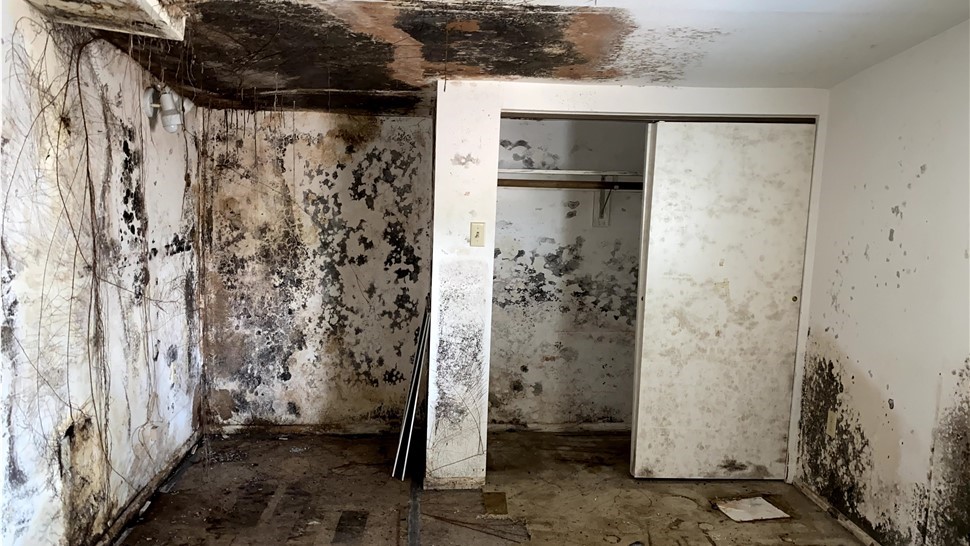
Mold Issues After Heavy Rain in Banana River: What Merritt Island Property Owners Should Know
Heavy rain is a routine part of life near the Banana River, but its impact on homes is often underestimated. Even when there is no obvious flooding or roof damage, prolonged or intense rainfall can introduce moisture into a property in subtle ways. For Merritt Island homeowners, especially those close to the Banana River, mold issues after heavy rain are common and frequently misunderstood.
Mold after heavy rain is rarely about a single dramatic failure. Instead, it develops because moisture lingers where it shouldn’t, drying slowly in a coastal environment already saturated with humidity. Understanding how rain affects homes near the Banana River helps property owners recognize risks early and respond before mold becomes a recurring problem.
Why Heavy Rain Is a Mold Trigger Near the Banana River
Homes near the Banana River sit in a high-humidity, low-elevation environment. During heavy rain, groundwater levels rise, soil becomes saturated, and moisture pressure increases around and beneath homes.
At the same time, wind-driven rain can penetrate small openings around roofs, windows, soffits, and exterior walls. Even when water does not visibly enter the living space, building materials can absorb moisture and hold it.
Because humidity remains high after storms, these materials dry slowly, creating ideal conditions for mold growth.
Mold Can Start Without Flooding
One of the biggest misconceptions is that mold only develops after flooding. In Banana River homes, mold often appears after heavy rain even when there is no standing water.
Moisture can enter as vapor through slab foundations, wick into walls from saturated soil, or accumulate in attics due to increased humidity. None of these situations leave obvious water trails.
As a result, mold may develop quietly for days or weeks before any visible signs appear.
Slab Foundations and Ground Saturation
Most homes in Merritt Island are built on slab foundations. After heavy rain, the soil beneath these slabs can remain saturated for extended periods, especially near waterways.
Moisture migrates upward through concrete as vapor, raising humidity levels near floors and lower walls. Baseboards, closets, and flooring edges are often the first areas affected.
Mold related to ground moisture tends to recur after each heavy rain cycle if not properly addressed.
Attics and Roof Systems After Heavy Rain
Attics are another common problem area after heavy rain. Even without a roof leak, humidity levels in attics can spike significantly during and after storms.
Warm, moisture-laden air rises and condenses on cooler roof decking and framing. Insulation can absorb this moisture and remain damp long after the rain ends.
Mold in attics near the Banana River often develops due to humidity overload rather than direct water intrusion.
Wind-Driven Rain and Hidden Intrusion
Heavy rain accompanied by wind can push water into places it normally wouldn’t go. This includes small gaps around flashing, vents, siding, and windows.
Water entering these areas may not drip into the home. Instead, it soaks into wall cavities or insulation, where it remains hidden.
Because these areas are enclosed, drying is slow, and mold can develop without any visible interior damage at first.
HVAC Systems and Post-Rain Moisture
After heavy rain, HVAC systems often work harder to manage indoor humidity. This increased workload leads to more condensation production.
If drain lines are partially clogged, pans are damaged, or insulation is compromised, condensation can escape into surrounding materials. Mold near air handlers, vents, and ductwork is common after periods of heavy rain.
In Banana River homes, HVAC-related mold often appears days after storms, not immediately.
Why Mold Appears Days or Weeks Later
Many property owners are confused when mold shows up long after the rain has stopped. This delay is normal in coastal environments.
Mold does not appear instantly. It develops once materials remain damp long enough, which often takes time. After heavy rain, moisture may stay trapped inside walls, floors, or attics while conditions slowly become favorable for growth.
By the time mold is visible or odors are noticed, the original rain event may feel long past.
Common Signs of Post-Rain Mold Problems
After heavy rain, property owners near the Banana River should watch for subtle changes, including:
- Musty or earthy odors
- Discoloration on walls or ceilings
- Warping baseboards or flooring
- Condensation near vents or windows
- Increased indoor humidity
- Mold growth in closets or corners
These signs often indicate moisture that never fully dried.
Why DIY Drying Often Isn’t Enough
After heavy rain, many homeowners rely on fans or open windows to dry things out. In Banana River’s humid environment, this approach is often ineffective.
Outdoor air is usually just as humid as indoor air, and fans alone do not remove moisture. Materials may feel dry on the surface while remaining damp internally.
Without proper dehumidification and moisture monitoring, mold conditions can continue unnoticed.
DIY Mold Cleanup After Rain Can Make Things Worse
Scrubbing visible mold after heavy rain may improve appearance temporarily, but it rarely solves the problem. Cleaning without correcting moisture allows mold to return quickly.
Using water-based cleaners can add moisture to already damp materials. Disturbing mold without containment can also spread spores to unaffected areas.
After rain-related moisture events, mold cleanup without evaluation often leads to repeat issues.
Professional Evaluation After Heavy Rain
Professional mold inspections after heavy rain focus on moisture behavior rather than just visible growth. Moisture meters, attic inspections, and HVAC evaluations help identify where rain-related moisture remains.
In Banana River homes, inspections often reveal multiple contributing factors, such as slab moisture combined with attic humidity or HVAC condensation.
Mold Removal Merritt Island works with local property owners to assess post-rain mold conditions based on real coastal moisture patterns rather than assumptions.
Why Timing Matters After Rain
The sooner moisture issues are identified after heavy rain, the easier they are to manage. Early drying and correction can prevent mold from becoming established.
Waiting until mold is visible often means moisture has been present long enough to affect multiple materials. This increases remediation scope and disruption.
Post-rain inspections help catch problems before they escalate.
Long-Term Impact on the Home
Repeated mold issues after heavy rain can damage drywall, flooring systems, insulation, and wood framing over time. Even if mold is cleaned repeatedly, ongoing moisture exposure weakens materials.
In rental or waterfront properties, this can affect long-term value and maintenance costs. Addressing moisture patterns early helps protect the structure.
Preventing Mold After Heavy Rain
While heavy rain cannot be prevented, its impact can be managed. Practical steps include:
- Inspecting the home after major rain events
- Monitoring indoor humidity closely
- Keeping HVAC systems well maintained
- Checking attics and closets periodically
- Addressing minor leaks or condensation quickly
These steps reduce the chance that rain-related moisture turns into mold.
Why Local Experience Matters
Mold issues after heavy rain behave differently near the Banana River than in inland areas. High water tables, slab foundations, salt air, and persistent humidity all influence how moisture moves and lingers.
Local experience helps identify where rain-related moisture is most likely to hide and how long it takes to dry.
A Practical Takeaway for Property Owners
Mold issues after heavy rain in Banana River homes are common, but they are not inevitable disasters. They are a predictable result of moisture lingering in a coastal environment.
The key is awareness, early inspection, and focusing on moisture rather than just visible mold. When rain-related moisture is addressed promptly and thoroughly, mold becomes manageable instead of recurring.
For property owners who notice musty odors, damp areas, or mold after heavy rain, professional evaluation provides clarity and direction. Mold Removal Merritt Island understands how heavy rain affects homes near the Banana River and helps property owners move from uncertainty to control using solutions grounded in real local conditions.
