
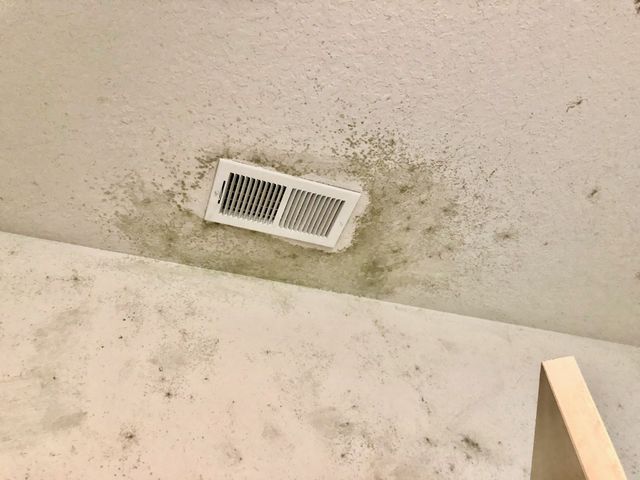
Mold in Rental Properties in Brevard County: What Merritt Island Property Owners Should Know
Rental properties throughout Brevard County, including Merritt Island and nearby coastal communities, face ongoing moisture challenges that can lead to mold growth if not properly managed. From waterfront homes near Sykes Creek and the Banana River to inland neighborhoods across the county, landlords and property managers regularly deal with mold issues caused by Florida’s warm, humid climate.
For rental property owners, mold problems can quickly become complicated. Tenants may report musty odors, wall staining, or indoor air quality concerns, and if moisture conditions are not addressed quickly, damage can spread behind walls, under flooring, or into HVAC systems.
Understanding how mold develops in rental properties — and how owners can prevent recurring problems — helps protect both tenants and long-term property investments.
Why Mold Is Common in Rental Properties
Mold thrives wherever moisture meets organic building materials. Rental properties, like any home, contain drywall, wood framing, insulation, and flooring materials that allow mold to grow when dampness remains.
However, rental homes often face additional challenges compared to owner-occupied properties. Moisture issues sometimes go unreported for long periods, allowing mold to develop unnoticed.
Common causes of mold growth in rental properties include:
- Plumbing leaks under sinks or inside walls
- Roof leaks after storms
- AC condensation problems
- Flooding or heavy rain intrusion
- Appliance leaks
- Poor ventilation in bathrooms or kitchens
- Tenant lifestyle moisture buildup
- Past water damage not fully repaired
Because rental properties experience frequent tenant turnover, small moisture problems may persist across multiple occupants before being discovered.
Why Brevard County Rentals Face Elevated Mold Risk
Rental properties across Brevard County face environmental conditions that increase mold risk compared to many inland areas.
Coastal Humidity
Humidity levels remain high throughout much of the year, slowing drying after moisture exposure.
Frequent Storm and Hurricane Activity
Storms regularly affect the region, sometimes causing roof leaks, flooding, or wind-driven rain intrusion.
Waterfront and Canal Communities
Many rental homes sit near waterways, exposing them to higher ambient moisture levels.
Older Housing Stock
Some rental homes were built decades ago and may lack modern moisture control systems or updated ventilation.
Continuous Air Conditioning Operation
AC systems run frequently to manage heat and humidity, and poorly maintained systems can contribute to moisture problems.
These conditions mean rental property owners must stay proactive to prevent mold growth.
Signs Mold May Be Developing in a Rental Property
Mold problems often begin before they become visible. Property owners and managers should watch for tenant complaints or maintenance signs indicating moisture problems.
Common warning signs include:
- Musty or damp odors indoors
- Discoloration on walls or ceilings
- Bubbling or peeling paint
- Warped flooring or baseboards
- Persistent indoor humidity
- Mold forming around vents or windows
- Allergy-like irritation reported by tenants
Tenants often report odors first, especially in closets, bathrooms, or bedrooms against exterior walls.
Quick response helps prevent damage from spreading.
Hidden Mold Locations in Rental Homes
Professional inspections frequently reveal mold growing in areas owners or tenants rarely inspect.
Common hidden mold locations include:
- Behind drywall after plumbing leaks
- Under flooring following spills or flooding
- Inside attic insulation after roof leaks
- Crawl spaces with standing water
- Around HVAC air handlers and ductwork
- Beneath cabinets and appliances
- Inside closets on exterior walls
- Around poorly sealed windows and doors
Homes near Merritt Island waterways sometimes experience repeated moisture exposure that gradually worsens hidden mold problems.
Even slow leaks can cause major contamination if left untreated.
Why DIY Mold Cleanup Often Causes Problems
Some property owners or tenants attempt to handle mold themselves using bleach or household cleaners. While this may remove visible stains temporarily, it rarely solves the underlying issue.
Bleach does not eliminate mold growing inside drywall or wood. Mold frequently returns once moisture remains.
Disturbing mold without containment can spread spores throughout the property, worsening indoor air quality.
In rental situations, incomplete cleanup may lead to recurring tenant complaints and repair costs.
Professional evaluation helps determine whether contamination extends beyond visible areas.
What Happens During Professional Mold Inspection
Professional mold inspections aim to identify both mold contamination and moisture sources affecting the property.
Inspection steps often include:
- Visual assessment of affected areas
- Moisture detection inside walls and floors
- Attic and crawl space inspections
- HVAC system evaluation
- Plumbing leak inspection
- Air or surface testing when appropriate
Testing compares indoor mold spore levels to outdoor air to determine whether contamination is active.
Inspectors familiar with Brevard County rental properties, including professionals regularly working on situations similar to those handled by Mold Removal Merritt Island, often recognize recurring moisture patterns quickly.
How Mold Remediation Works in Rental Properties
Proper remediation focuses on safely removing contamination while correcting moisture conditions.
Typical remediation steps include:
- Containment barriers to prevent spore spread
- HEPA air filtration during cleanup
- Removal of contaminated materials when necessary
- Cleaning structural components
- Thorough drying of affected areas
- Repairing plumbing or roof leaks
- Improving ventilation or moisture control
- Replacing damaged materials
The goal is restoring safe living conditions while preventing mold from returning.
In rental homes, coordinating repairs quickly helps maintain tenant satisfaction and occupancy rates.
Preventing Mold Problems in Brevard County Rental Homes
Prevention requires consistent maintenance and clear communication with tenants.
Helpful prevention strategies include:
- Conducting regular property inspections
- Encouraging tenants to report leaks quickly
- Servicing AC systems annually
- Checking roofs and plumbing after storms
- Maintaining ventilation systems
- Monitoring indoor humidity levels
- Repairing leaks immediately
- Inspecting properties between tenants
- Installing moisture alarms under sinks and appliances
Rental homes near waterways benefit from additional inspections following heavy rain or flooding events.
Why Local Experience Matters for Rental Mold Issues
Moisture behavior varies depending on climate and construction style. Professionals familiar with Merritt Island and Brevard County homes understand how coastal humidity, storm patterns, and local building practices influence mold growth.
Local experience allows inspectors to quickly identify common trouble spots and recommend solutions suited to rental properties in coastal environments.
Many homes across the county share similar moisture patterns, making regional expertise especially valuable when diagnosing mold concerns.
A Practical Next Step for Rental Property Owners
If tenants report musty odors, visible mold, or moisture concerns, scheduling a professional inspection can help determine whether mold is developing inside the property.
Most mold problems can be resolved effectively when moisture sources are corrected early. Proactive inspections help protect rental income, reduce repair costs, and maintain safe living environments for tenants.
Whether you manage a single rental home or multiple properties in Merritt Island or across Brevard County, regular inspections and quick maintenance responses help ensure properties remain safe, comfortable, and protected from mold-related damage over time.