
 Commercial Mold Inspections in South Merritt Island: What Merritt Island Property Owners Should Know
Commercial mold inspections are a critical part of property ownership in South Merritt Island, where Florida’s humidity, coastal air, and seasonal storms create ongoing moisture challenges. Offices, retail units, warehouses, and mixed-use buildings all face elevated mold risk—often without obvious warning signs.
For Merritt Island property owners, understanding when and why commercial mold inspections are necessary can help protect property value, maintain tenant confidence, and avoid costly remediation or downtime.
🧠 Why Commercial Properties in South Merritt Island Need Mold Inspections
Mold doesn’t just appear—it develops quietly when moisture goes unmanaged. Commercial buildings in South Merritt Island face several risk factors:
🌴 Florida Humidity & Coastal Conditions
Warm, humid air is present most of the year. When it enters air-conditioned buildings, condensation forms on cool surfaces like:
- Ductwork and vents
- Ceiling tiles
- Exterior-facing walls
That moisture can fuel mold growth behind walls and above ceilings long before it’s visible.
🏢 Complex Building Systems
Commercial properties typically have:
- Larger HVAC systems
- Extensive plumbing networks
- Multiple roof penetrations
Each system adds potential points for leaks, condensation, or hidden water intrusion.
💧 Storms, Rain, and Flooding
South Merritt Island properties are especially vulnerable after heavy rain events. Roof leaks, clogged drains, and minor flooding can introduce moisture that lingers—creating ideal conditions for mold within 24–48 hours.
📈 What Mold Problems Mean for Commercial Property Owners
Mold in a commercial building affects more than just the structure.
😷 Health & Comfort Concerns
Employees, customers, and tenants may experience:
- Respiratory irritation
- Allergies or asthma flare-ups
- Headaches or fatigue
- Persistent musty odors
Health complaints often prompt inspection requests or formal reports.
🛑 Business Disruption
If mold is discovered late, consequences can include:
- Temporary closure of units
- Removal of inventory or equipment
- Delayed lease renewals
- Increased tenant turnover
Early inspections help avoid these disruptions.
📉 Property Value & Liability Risk
Commercial properties with unresolved mold issues may face:
- Difficulty leasing space
- Lower appraisal values
- Potential disputes with tenants
Routine inspections demonstrate proactive ownership and due diligence.
🔍 What Happens During a Commercial Mold Inspection
A professional commercial mold inspection in South Merritt Island typically includes several key steps:
🧰 Visual Assessment
Inspectors look for:
- Water stains or discoloration
- Peeling paint or bubbling drywall
- Warped flooring or ceiling tiles
- Signs of condensation near HVAC components
🧪 Moisture Detection
Specialized tools identify hidden moisture in:
- Walls and ceilings
- Flooring systems
- Crawlspaces and utility rooms
🌬 Air & Surface Sampling (If Needed)
When mold is suspected, samples may be collected to:
- Measure spore levels
- Identify mold types
- Determine whether mold is airborne
Testing helps guide remediation decisions and documentation.
📋 Detailed Reporting
Property owners typically receive a report outlining:
- Findings and affected areas
- Moisture sources
- Recommended next steps
This report is valuable for planning repairs, insurance documentation, or tenant communication.
🏠 When Merritt Island Property Owners Should Schedule Inspections
Commercial mold inspections are especially important:
- After roof leaks or flooding
- When tenants report odors or health symptoms
- Before buying or selling a commercial property
- Prior to leasing space to new tenants
- After long vacancies or HVAC failures
Proactive inspections often prevent small moisture problems from becoming major mold events.
🛠 Preventing Mold Between Inspections
Property owners can reduce mold risk year-round by focusing on moisture control.
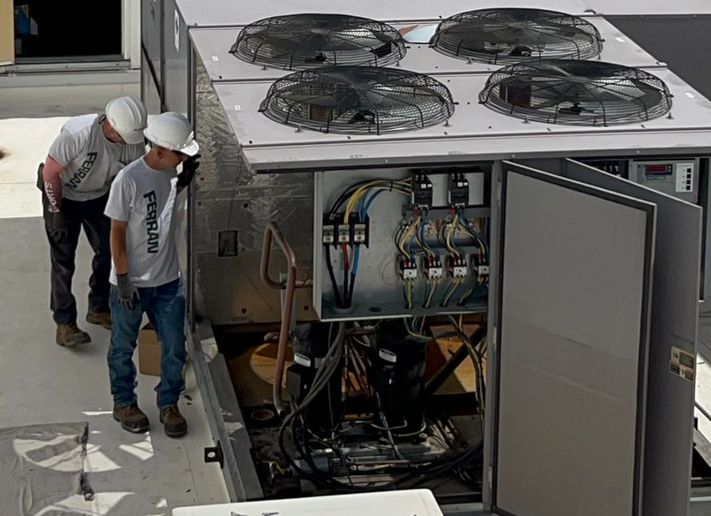
✅ Maintain HVAC Systems
- Clean and inspect drip pans
- Ensure condensate lines drain properly
- Replace filters on schedule
✅ Inspect Roofs & Drainage
- Check roofs after storms
- Keep gutters and downspouts clear
- Ensure water drains away from foundations
✅ Control Indoor Humidity
- Aim for 30–50% indoor humidity
- Use dehumidifiers in problem areas
- Avoid blocking air vents with furniture or inventory
✅ Address Leaks Immediately
Even small leaks behind walls or under sinks can cause hidden mold growth if ignored.
🧪 Mold Inspection vs. Mold Remediation
Understanding the difference matters:
🧪 Mold Inspection
- Identifies moisture and mold presence
- Determines extent and severity
- Guides next steps
🧼 Mold Remediation
- Removes contaminated materials
- Treats affected areas
- Fixes moisture sources
- Restores damaged spaces
Inspections come first—remediation follows only if mold is confirmed.
📌 Florida Regulations & Commercial Properties
Florida requires commercial properties to maintain safe, habitable environments for occupants. Ongoing moisture or mold issues can lead to:
- Health department involvement
- Code enforcement actions
- Lease disputes
Regular inspections help demonstrate compliance and proactive management.
🧑🔧 Final Thoughts: Inspections Protect Your Investment
In South Merritt Island, commercial mold inspections aren’t optional—they’re smart risk management.
For Merritt Island property owners, the takeaway is simple:
- Moisture control prevents mold
- Early inspections save money
- Proactive maintenance protects tenants and property value
Staying ahead of mold issues keeps your commercial property healthy, marketable, and profitable year-round.
