
Mold in Commercial Properties in Sykes Creek: What Merritt Island Property Owners Should Know
Commercial property owners in Sykes Creek and the broader Merritt Island area face a unique set of environmental challenges — and mold growth ranks near the top of that list. With Florida’s high humidity, frequent storms, and salt-air conditions, mold can quickly become a costly and hazardous problem if not properly understood and managed.
In this in-depth guide, we’ll walk you through everything you need to know about mold in commercial properties: what causes it, why Florida’s climate makes it worse, how to spot it early, the legal and financial implications for property owners, and proactive strategies to prevent and address mold issues.
Why Mold Is a Common Problem in Sykes Creek Commercial Properties
Florida’s Climate and Mold
Merritt Island’s subtropical climate — including Sykes Creek — creates ideal conditions for mold:
- High humidity: Consistently elevated moisture levels provide the perfect environment for mold spores to settle and thrive.
- Frequent rainfall and storms: Roof leaks, flooding, and poor drainage can introduce water into building structures.
- Salt air and coastal moisture: Salt particles in the air can trap moisture against building surfaces, accelerating deterioration and creating concealed damp zones.
Mold doesn’t need much to grow — just moisture and organic material. That makes commercial buildings with wooden framing, drywall, carpets, and HVAC systems particularly vulnerable.
Common Causes of Mold in Commercial Buildings
1. Water Intrusion and Structural Leaks
Commercial roofs, especially flat or low-slope roofs common in warehouses and retail spaces, are prone to water pooling and leaks. Even small, chronic leaks in roofs, windows, or plumbing fixtures can lead to hidden mold behind walls or above ceilings.
2. Poor Ventilation
Inadequate airflow and ventilation allow humidity to build up inside offices, storage areas, and other enclosed spaces. Without proper HVAC balance, moisture can condense on cool surfaces — an ideal breeding ground for mold.
3. HVAC Systems
Commercial HVAC systems that are poorly maintained or improperly sized can contribute to mold growth. Condensation within ducts and drip pans that aren’t regularly cleaned offers a perfect habitat for spores.
4. Flooding and Storm Damage
Sykes Creek and Merritt Island properties are not strangers to flooding during tropical storms and heavy rains. Even after visible water recedes, moisture can linger in structural components, fueling mold growth if not completely dried out.
How to Spot Mold in Your Commercial Property
Mold can be visible or hidden. Recognizing the signs early can help you avoid serious damage and health concerns.
Visible Signs
- Discolored patches (black, green, white, or brown) on walls, ceilings, or flooring.
- Peeling paint or wallpaper, blistered drywall.
- Warped or stained wood and drywall.
Odor Indicators
- A musty or earthy smell often means mold is present somewhere out of sight — behind walls, under carpets, or above ceiling tiles.
Health-Related Complaints
Tenants or employees reporting allergy-like symptoms, headaches, coughing, or respiratory irritation in specific areas can be an indicator that mold spores are circulating indoors.
Health & Business Impacts of Mold
Mold isn’t just unsightly — it can pose real health and operational concerns:
- Employee and tenant health issues: Prolonged exposure to airborne mold spores can trigger allergic reactions or respiratory symptoms, impacting productivity and well-being.
- Decreased property value: Mold problems can deter potential lessees or buyers and may lower market value if left untreated.
- Insurance challenges: Some insurance policies limit coverage for mold, especially if it stems from poor maintenance rather than a sudden accident.
Understanding these impacts underscores why early detection and prevention are essential.
Legal and Financial Considerations for Property Owners
Owning commercial property comes with legal responsibilities, especially when it comes to safe, habitable conditions for tenants and customers.
Lease Agreements and Mold Liability
Commercial leases often outline responsibilities for building maintenance, including moisture control and mold remediation. However:
- If the landlord is found negligent in maintaining the property (e.g., ignoring a known roof leak), there may be legal exposure for damages.
- Lease terms may require mold remediation at the landlord’s expense — but specifics vary, so having clear contract language is crucial.
Insurance and Mold Coverage
Many commercial property insurance policies in Florida contain mold exclusions or strict limits on mold-related claims. It’s important to:
- Review your policy carefully with your insurance broker.
- Understand what types of mold events are covered — sudden incidents vs. long-term negligence.
Consulting a lawyer or insurance expert can provide clarity on your specific policy and potential out-of-pocket exposures.
Prevention Strategies for Commercial Property Mold
Proactive maintenance and environmental control are the best defenses against mold. Here’s how to stay ahead of it:
1. Control Moisture and Humidity
- Use dehumidifiers in enclosed or high-moisture areas.
- Maintain indoor humidity between 30%–50% where feasible.
- Repair leaks promptly — roofs, windows, plumbing fixtures, and foundation cracks.
2. Proper Ventilation and HVAC Maintenance
- Schedule regular maintenance for HVAC systems.
- Ensure condensate drains are clear and drip pans are cleaned.
- Consider upgrading filtration to reduce airborne spores.
3. Improve Building Envelope Integrity
- Install or repair flashing and seals around windows and doors.
- Ensure proper insulation to avoid condensation on cold surfaces.
4. Regular Inspections
Develop a scheduled inspection plan:
- Monthly visual checks of attics, basements, storage rooms.
- Seasonal roof inspections, especially after heavy storms.
- Address potential moisture issues before they escalate.
5. Educate Tenants and Staff
Encourage occupants to report signs of leaks or humidity issues early. Quick communication can stop mold problems before they spread.
What to Do When You Discover Mold
When you find mold in your commercial building:
Assess the Extent
Small, surface-level mold (less than 10 sq. ft.) may be manageable with proper cleaning and moisture control. Larger infestations or hidden mold require professional assessment.
Use Qualified Remediation Professionals
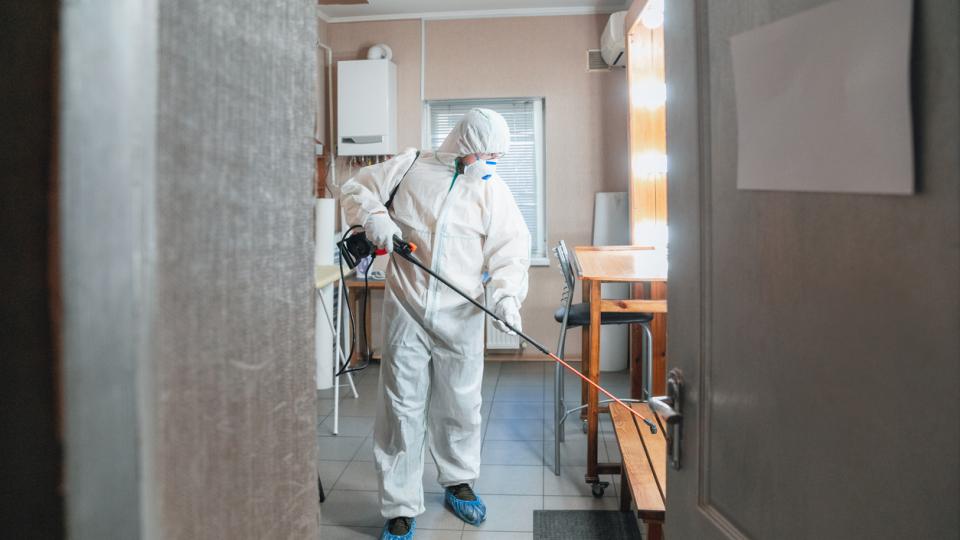
Certified mold remediation specialists can:
- Identify the source of moisture.
- Properly remove and clean mold-affected areas.
- Use containment and air purification during cleanup.
DIY mold removal may not address hidden mold or underlying causes — and can spread spores if not done correctly.
Putting It All Together: A Summary for Merritt Island Property Owners
Mold in commercial properties isn’t just an aesthetic issue — it’s a structural, health, and financial concern that thrives in moist environments like Sykes Creek. By understanding the risks, knowing how to spot mold early, and implementing strong preventive measures, property owners can protect their buildings and tenants.
Here’s your action checklist:
- Monitor humidity and moisture consistently.
- Inspect your property after storms or seasonal changes.
- Maintain HVAC systems regularly.
- Respond quickly to any leaks or signs of water intrusion.
- Work with professionals for assessment and remediation when needed.
Being proactive not only safeguards your property’s value, it also creates a healthier, more marketable space for tenants and employees alike.
