
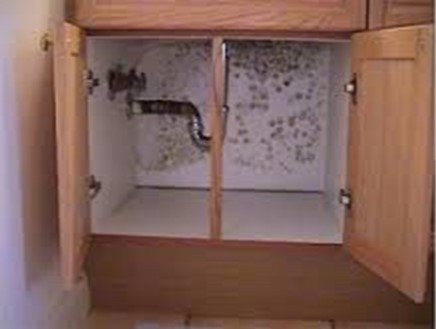
Mold Under Sinks in Banana River: What Merritt Island Property Owners Should Know
Homes located along the Banana River in Merritt Island offer beautiful waterfront views and relaxed coastal living, but these same coastal conditions often bring moisture challenges that homeowners do not always expect. One of the most common yet overlooked locations for mold growth is under kitchen and bathroom sinks.
Cabinets under sinks are naturally vulnerable to moisture because plumbing lines run through them. Even a small leak, slow drip, or condensation buildup can create conditions that allow mold to grow unnoticed for long periods. Many property owners only discover mold after noticing a musty odor or finding damage while cleaning or repairing cabinets.
Understanding why mold develops under sinks and how to prevent it can help homeowners and property managers across Merritt Island avoid costly repairs and maintain healthier indoor conditions.
Why Mold Frequently Forms Under Sinks
Mold needs moisture, organic material, and warm temperatures to grow. Areas beneath sinks provide all three conditions, especially in Florida’s humid climate.
Cabinets and flooring beneath sinks are typically made from wood or particleboard materials, which absorb moisture easily. When plumbing connections loosen, pipes sweat from temperature differences, or seals fail, small amounts of water can leak into the cabinet space.
Because these areas are closed and poorly ventilated, moisture remains trapped, allowing mold spores naturally present in the air to begin growing.
Common causes of mold under sinks include:
- Slow plumbing leaks
- Loose pipe connections
- Damaged drain seals
- Faucet leaks traveling into cabinets
- Condensation on cold-water lines
- Overflowing sinks or clogged drains
- Improper cabinet ventilation
- Past water damage that never fully dried
Many homeowners are surprised how quickly mold develops from what appears to be a minor plumbing issue.
Why Homes Near Banana River Face Higher Risk
Properties located near Banana River experience environmental conditions that make under-sink moisture problems more common.
Elevated Coastal Humidity
Humidity levels remain high for much of the year, making it harder for enclosed cabinet spaces to dry.
Waterfront Moisture Exposure
Homes near canals and waterways often experience slightly higher ambient humidity, which can increase condensation inside cabinets.
Storm and Hurricane Effects
Heavy rains and storms can cause plumbing backups or minor flooding that introduces moisture into kitchens and bathrooms.
Older Home Plumbing Systems
Some older Merritt Island homes have aging plumbing fixtures or connections more prone to slow leaks.
Continuous Air Conditioning Operation
Air conditioning systems cool homes but can also create condensation on pipes if cabinets lack airflow.
Because under-sink areas are rarely checked, mold often grows unnoticed for months.
Signs Mold May Be Growing Under a Sink
Many homeowners discover mold accidentally while retrieving stored items. However, several warning signs can indicate a hidden problem.
Common signs include:
- Musty smells near kitchen or bathroom cabinets
- Cabinet floors feeling soft or swollen
- Dark stains inside cabinets
- Peeling laminate or bubbling wood
- Water pooling inside cabinets
- Warped cabinet doors
- Allergy-like irritation indoors
Sometimes mold becomes visible only after removing cleaning supplies or stored items.
Property managers often encounter tenant complaints about odors before mold becomes visible.
Hidden Problems Found Beneath Sink Cabinets
Professional inspections often uncover additional moisture-related issues beyond visible mold.
Common hidden problems include:
- Mold behind cabinet walls
- Rotting subflooring beneath cabinets
- Leaking dishwasher connections
- Slow pipe drips behind drywall
- Moisture spreading into adjoining rooms
- Mold growth under flooring
- Damaged insulation within walls
In homes near Banana River, repeated exposure to humidity can worsen these problems over time if leaks go unnoticed.
Even small leaks can cause significant damage when left uncorrected.
Why DIY Mold Cleanup Often Fails
Homeowners frequently try to clean mold using bleach or household cleaning sprays. While this may temporarily remove visible stains, it rarely solves the root problem.
Bleach does not fully penetrate porous cabinet materials or drywall. Mold roots remain, and growth returns once moisture persists.
Simply wiping away mold without repairing leaks allows the problem to continue.
In some cases, scrubbing contaminated areas can spread spores further inside cabinets or into nearby living spaces.
Long-term solutions require moisture control, not just cleaning.
Professional inspection helps determine whether mold is limited to cabinet surfaces or has spread deeper.
What Happens During Professional Mold Inspection
A professional inspection focuses on locating both mold contamination and moisture sources.
Inspection steps may include:
- Visual evaluation of cabinet interiors
- Moisture readings in cabinet walls and flooring
- Inspection of plumbing connections
- Checking surrounding walls and flooring
- Looking for hidden leaks
- Evaluating ventilation conditions
- Air or surface testing when appropriate
Lab testing may compare indoor mold levels to outdoor air to determine whether contamination is active.
Inspectors familiar with homes near Banana River, including professionals experienced with situations commonly addressed by Mold Removal Merritt Island, often recognize recurring plumbing-related moisture patterns quickly.
How Mold Remediation Works Under Sink Areas
Professional remediation focuses on safely removing mold and correcting moisture conditions.
Typical remediation steps include:
- Containment to prevent spore spread
- Removal of contaminated cabinet materials if necessary
- Cleaning and treatment of structural components
- Drying of surrounding areas
- Repairing plumbing leaks
- Replacing damaged materials
- Improving cabinet ventilation
The goal is restoring safe indoor conditions and preventing mold from returning.
Preventing Mold Growth Under Sinks
Preventing mold under sinks requires routine inspection and moisture control.
Helpful prevention tips include:
- Checking under sinks monthly for leaks
- Tightening plumbing connections when needed
- Repairing drips immediately
- Installing moisture-resistant cabinet liners
- Keeping cabinets uncluttered for airflow
- Running exhaust fans during showers or cooking
- Monitoring indoor humidity levels
- Scheduling plumbing inspections after storms
- Using small moisture detectors in cabinets
Homes near waterways benefit from extra monitoring, especially during humid summer months.
Why Local Experience Matters for Moisture Problems
Mold behavior differs by climate and construction style. Professionals familiar with Merritt Island homes understand how coastal humidity and local building designs influence moisture problems beneath sinks.
Local experience allows inspectors to quickly identify common plumbing-related mold patterns and recommend solutions suited to waterfront properties.
Homes throughout Banana River neighborhoods often share similar plumbing and humidity challenges, making local knowledge especially valuable.
A Practical Next Step for Property Owners
If you notice musty odors, cabinet damage, or moisture beneath sinks, scheduling a professional inspection can help determine whether mold is developing.
Most under-sink mold problems can be resolved once leaks and moisture conditions are corrected. Early action helps prevent cabinet replacement and larger structural repairs.
Whether you own or manage property near Banana River or elsewhere in Merritt Island, periodic inspections help keep kitchens and bathrooms safe while protecting long-term property value.
