
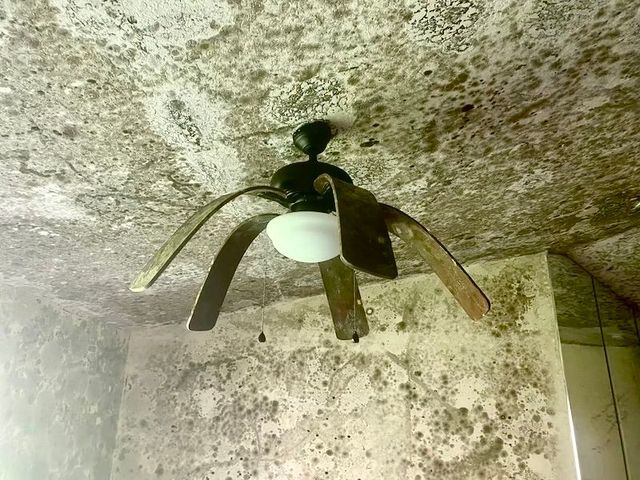
How Mold Spreads Indoors in Brevard County: What Merritt Island Property Owners Should Know
Mold problems in Brevard County rarely stay contained to one small area. What begins as a minor moisture issue in a corner of the home can quietly spread into walls, ceilings, flooring systems, and even HVAC components before it’s fully understood. For property owners in Merritt Island and surrounding communities, knowing how mold spreads indoors is just as important as knowing how to remove it.
With constant humidity, frequent storms, and a high water table influenced by the Banana River, Indian River, and nearby lagoons, Brevard County homes face conditions that allow mold to move faster and farther than many expect. Understanding the mechanics of indoor mold spread helps homeowners, landlords, and property managers recognize risks early and limit long-term damage.
Why Mold Spreads So Easily in Brevard County Homes
Mold spreads wherever moisture allows it to survive. In Brevard County, moisture is rarely isolated. High humidity means materials dry slowly, and once mold establishes itself, it often finds nearby surfaces that remain damp enough to support growth.
Unlike flooding events, most mold spread here is gradual. Small leaks, condensation, or humid air create connected moisture pathways through walls, floors, and ceilings. Because drying conditions are limited, mold doesn’t need dramatic water exposure to move.
This is why mold spread in coastal Florida is often quiet and widespread rather than obvious and localized.
Airborne Spores and Indoor Air Movement
Mold reproduces by releasing microscopic spores into the air. These spores are always present outdoors and often indoors at low levels. Problems begin when indoor conditions allow spores to settle and grow.
In Brevard County homes, indoor air movement plays a major role in mold spread. HVAC systems circulate air throughout the house, carrying spores from one area to another. Natural air movement through hallways, doorways, and ceiling penetrations also distributes spores.
Once spores land on damp materials, they can begin growing, creating new sources of spread.
HVAC Systems as a Distribution Pathway
HVAC systems are one of the most common ways mold spreads indoors. Air handlers, ductwork, and drain pans often deal with constant condensation in humid climates.
If mold grows near or inside HVAC components, spores can be distributed throughout the home every time the system runs. This allows mold from one hidden area, such as an air handler closet or duct, to affect multiple rooms.
In slab foundation homes common to Merritt Island, HVAC systems often run longer to manage humidity, increasing circulation and spread when mold is present.
Walls and Hidden Cavities
Walls are one of the most underestimated pathways for mold spread. Once moisture enters a wall cavity through a leak, condensation, or storm intrusion, it can remain trapped for extended periods.
Mold growing behind drywall can spread horizontally and vertically along framing members. Because wall cavities are enclosed, humidity stays high and airflow is limited, creating ideal conditions for continued growth.
Property owners may only see mold at one spot on a wall while extensive growth exists behind the surface.
Flooring Systems and Ground Moisture
Flooring systems play a significant role in mold spread, especially in Brevard County slab homes. Ground moisture can migrate upward through concrete slabs after heavy rain or prolonged wet weather.
Once moisture reaches flooring materials, mold can grow beneath tile, vinyl plank, laminate, or carpet. From there, it can spread outward beneath the flooring before becoming visible at seams or baseboards.
Because flooring hides the problem, mold can spread across large areas undetected.
Attics as Mold Reservoirs
Attics often act as reservoirs for mold rather than isolated problem areas. Warm, humid air rises into attic spaces and condenses on roof decking when ventilation is inadequate.
Once mold develops in an attic, spores can move downward into living spaces through ceiling penetrations, duct chases, and insulation gaps. This allows attic mold to influence indoor air quality throughout the home.
In Brevard County, attic mold often spreads during long humid seasons rather than after a single storm.
Closets and Low-Airflow Areas
Mold spreads most easily in areas with poor airflow. Closets, storage rooms, and enclosed spaces along exterior walls are common expansion points.
Once mold develops in one low-airflow area, spores can spread to adjacent spaces that share similar moisture conditions. Clothing, cardboard, and stored items can also carry spores to new locations.
This is why mold often appears in multiple closets or rooms over time rather than staying in one place.
Moisture as the True Driver of Spread
While spores move easily, mold only grows where moisture allows it. In Brevard County, moisture is often widespread rather than localized.
Humidity moves freely through the home, especially when HVAC systems are running. Condensation forms wherever warm, moist air contacts cooler surfaces. Small leaks can affect large areas through capillary action and gravity.
As long as moisture conditions remain favorable, mold spread continues regardless of surface cleaning.
Why Mold Often Reappears After Cleaning
One of the most frustrating aspects of mold is recurrence. Cleaning visible mold does not remove hidden growth or correct moisture pathways.
If mold remains inside walls, under flooring, or in HVAC systems, spores continue to circulate. As humidity rises again, mold regrows on cleaned surfaces.
This cycle gives the impression that mold is “coming back,” when in reality it never fully left.
How Storms Accelerate Mold Spread
Storms don’t just introduce new moisture; they activate existing mold. Wind-driven rain, roof vulnerabilities, and ground saturation increase humidity throughout the structure.
In Brevard County, storms often raise indoor moisture levels enough to allow dormant mold to become active again. This can lead to sudden spread days or weeks after the storm.
Post-storm mold spread is often mistaken for new growth when it is actually expansion of an existing issue.
Why DIY Methods Can Increase Spread
DIY cleanup often spreads mold unintentionally. Scrubbing without containment releases spores into the air. Using fans without dehumidification can move spores into new areas.
In humid environments, adding moisture through cleaning can also worsen conditions by feeding mold in nearby materials.
Without addressing airflow and moisture control, DIY efforts may increase spread rather than stop it.
How Professional Inspections Track Mold Spread
Professional mold inspections focus on understanding moisture behavior and airflow patterns. Inspectors look beyond visible growth to identify where moisture allows mold to travel.
Moisture meters, attic inspections, HVAC evaluation, and building knowledge help trace spread pathways. In Brevard County homes, inspections often reveal connected problem areas rather than isolated spots.
Mold Removal Merritt Island works with property owners to identify how mold is spreading inside homes based on local climate conditions and common building styles.
Limiting Mold Spread Through Early Action
Early intervention limits how far mold can spread. Addressing moisture quickly, improving ventilation, and inspecting hidden areas reduce the opportunity for expansion.
Monitoring humidity, responding promptly to leaks, and inspecting after storms all help contain mold before it reaches multiple systems or rooms.
The earlier moisture is controlled, the easier it is to stop mold from moving.
Why Local Experience Matters
Mold spread in Brevard County is shaped by coastal humidity, slab foundations, salt air exposure, and storm frequency. These factors change how moisture moves and how quickly mold expands.
Local experience means understanding these patterns and knowing where spread is most likely to occur. This reduces missed areas and repeat problems.
A Practical Takeaway for Property Owners
Mold does not spread randomly. It follows moisture, airflow, and building pathways. In Brevard County, those pathways are often interconnected and persistent.
Understanding how mold spreads indoors helps property owners respond with clarity instead of frustration. Addressing moisture, not just visible growth, is the key to stopping spread.
When mold appears in more than one area or keeps returning, professional evaluation provides answers. Mold Removal Merritt Island is familiar with how mold spreads in Merritt Island and surrounding Brevard County homes, offering guidance grounded in real local conditions rather than guesswork.
