
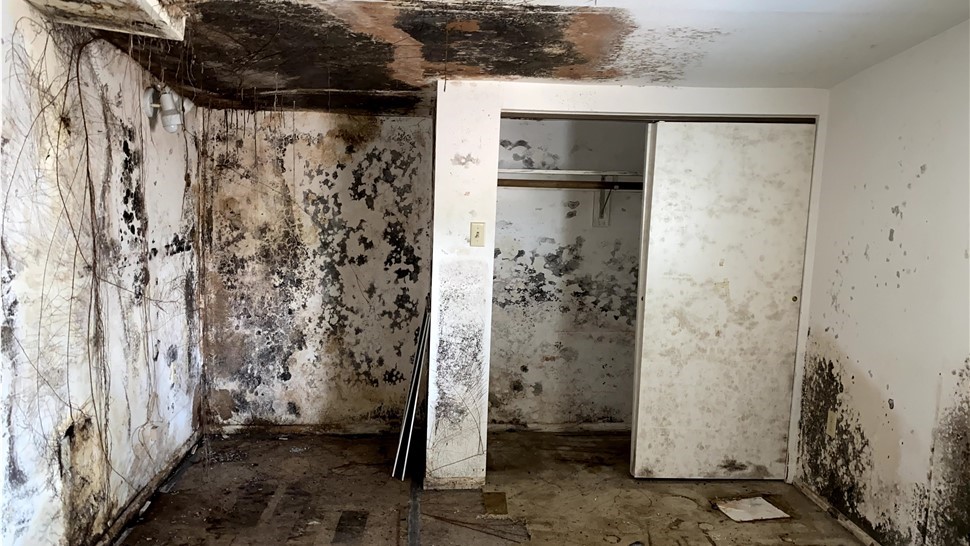
Mold Prevention After Storms in South Merritt Island: What Merritt Island Property Owners Should Know
Storms are a normal part of life in South Merritt Island. Heavy rain, tropical systems, and wind-driven storms regularly move through the area, often bringing intense moisture in a short period of time. Even when a storm passes without obvious damage, it can still leave behind conditions that allow mold to develop quietly inside a home.
For property owners, mold prevention after storms is less about panic and more about awareness and timing. South Merritt Island’s coastal humidity, nearby waterways, and high water table mean that moisture dries slowly here. Understanding how storms affect homes locally — and what steps help prevent mold afterward — can make a major difference in protecting property and avoiding costly repairs.
Why Storms Create High Mold Risk in South Merritt Island
Storms introduce more than just rain. Wind-driven moisture can force water into small gaps around roofs, windows, vents, and exterior walls. These entry points may not leak during normal weather but become vulnerable during severe conditions.
In South Merritt Island, humidity is already elevated due to the Banana River and Indian River. When storm moisture is added, materials such as drywall, insulation, and wood framing can remain damp for extended periods. This slow drying creates ideal conditions for mold growth, even if water exposure was brief.
Because storms occur frequently, moisture exposure can compound before the home fully dries.
How Storm Moisture Enters Without Visible Damage
One of the challenges with post-storm mold prevention is that water intrusion is often hidden. Rain may enter through roof flashing, vents, soffits, or small roof penetrations and travel along framing before settling out of sight.
Windows and doors can also allow small amounts of water inside during heavy wind-driven rain. This moisture may collect inside wall cavities without leaving immediate surface stains.
Ground saturation is another concern. After prolonged rain, the water table rises and moisture can migrate upward through slab foundations, affecting lower walls, baseboards, and flooring.
Why Mold Often Appears Days or Weeks Later
Mold does not usually appear immediately after a storm. Materials may feel dry on the surface within a day or two, while still holding moisture internally.
In South Merritt Island’s humid conditions, drying is slow. Moisture trapped inside insulation, drywall, or wood can remain long enough for mold to establish itself. This delayed growth often surprises property owners, especially when the storm damage seemed minor or already repaired.
Understanding this delay is critical for effective prevention.
Attics Should Be a Top Priority After Storms
Attics are one of the most vulnerable areas after storms. Wind-driven rain can enter through roof vents, flashing, or aging roofing materials and soak insulation or roof decking.
Because attics are hot and humid, wet materials dry very slowly. Mold often develops on roof decking or framing before any stains appear on ceilings below.
In South Merritt Island, checking the attic after storms is one of the most effective ways to prevent hidden mold growth.
Roof Leaks That Seem Small Can Cause Big Problems
A minor roof leak during a storm may not seem urgent if there is no visible ceiling damage. However, even a small amount of water can saturate insulation above drywall.
Once insulation is wet, it holds moisture against surrounding materials. In coastal conditions, that moisture may not dry without intervention. Mold growth often follows, even after the roof repair is completed.
Preventing mold means addressing both the leak and any materials that became wet.
HVAC Systems After Storm Events
Storms can indirectly increase mold risk through HVAC systems. Power outages, fluctuating temperatures, and high humidity can all affect system performance.
After storms, air conditioning systems may run longer and produce more condensation. If drain lines clog or pans overflow, moisture can leak into air handler closets, ceilings, or walls.
Salt air and debris introduced during storms can also accelerate corrosion in HVAC components, increasing condensation-related issues if not addressed promptly.
Exterior Walls, Windows, and Doors
Wind-driven rain often targets windows and exterior walls. Even well-installed windows can allow small amounts of water past seals during severe weather.
Moisture may collect inside wall cavities without immediate signs. Over time, this trapped moisture can lead to mold growth behind drywall, particularly in rooms along exterior walls.
Post-storm inspections should include checking for dampness, musty odors, or subtle staining in these areas.
Garages and Utility Areas After Heavy Rain
Garages, laundry rooms, and utility spaces are frequently affected after storms. These areas often sit on slabs, have limited insulation, and receive less climate control.
Ground moisture after heavy rain can raise humidity quickly in these spaces. Mold often appears along lower walls, on stored items, or behind appliances.
Because these areas are not living spaces, problems are often missed until mold is well established.
Why DIY Drying Has Limits After Storms
Fans and dehumidifiers can help, but they are not always enough in a humid coastal environment. When outdoor air is saturated, indoor drying slows significantly.
Surface drying does not guarantee that materials behind walls or under floors are dry. Without moisture measurements, it is easy to underestimate how much water remains.
Relying only on visible dryness is one of the most common reasons mold appears weeks after storms.
The Value of Professional Moisture Inspections
Professional inspections after storms focus on moisture behavior rather than obvious damage. Moisture meters and visual assessment help identify damp materials hidden behind surfaces.
In South Merritt Island homes, inspections often reveal moisture spread beyond the apparent entry point. Water may travel along framing or collect in unexpected locations.
Mold Removal Merritt Island works with local property owners to assess post-storm moisture risks using methods suited to coastal conditions and local construction styles.
Practical Steps to Prevent Mold After Storms
Prevention begins as soon as conditions are safe. Inspect attics, ceilings, exterior walls, garages, and utility areas for dampness. Pay close attention to musty odors, which often appear before visible mold.
Ensure HVAC systems are draining properly and running efficiently. Remove wet materials or dry them thoroughly as soon as possible. Even small leaks or stains should be taken seriously.
Regular post-storm checks significantly reduce the chance that moisture turns into mold.
Why Timing Matters Most After Storms
The first few days after a storm are critical. Moisture that is dried quickly is far less likely to support mold growth.
Delays allow humidity to stabilize inside materials, making drying more difficult later. In South Merritt Island’s climate, early action often determines whether a situation stays manageable or becomes a remediation project.
Why Local Experience Matters
Storm-related mold in South Merritt Island behaves differently than it does inland. Coastal humidity, salt air exposure, slab foundations, and frequent storms all change how moisture enters and lingers.
Local experience means knowing where to look first, which areas dry slowest, and how storms typically affect homes here. This reduces missed moisture and repeat problems.
A Calm, Preventive Mindset for Property Owners
Storms are unavoidable, but mold is not. A calm, informed response focused on inspection and drying protects properties far better than reactive cleanup later.
By understanding how storms affect South Merritt Island homes and acting early, property owners can prevent mold from becoming a long-term issue. When uncertainty exists, professional evaluation provides clarity and direction.
Mold Removal Merritt Island is familiar with the specific post-storm moisture patterns seen throughout South Merritt Island and surrounding Brevard County communities, offering guidance grounded in real local conditions.
