
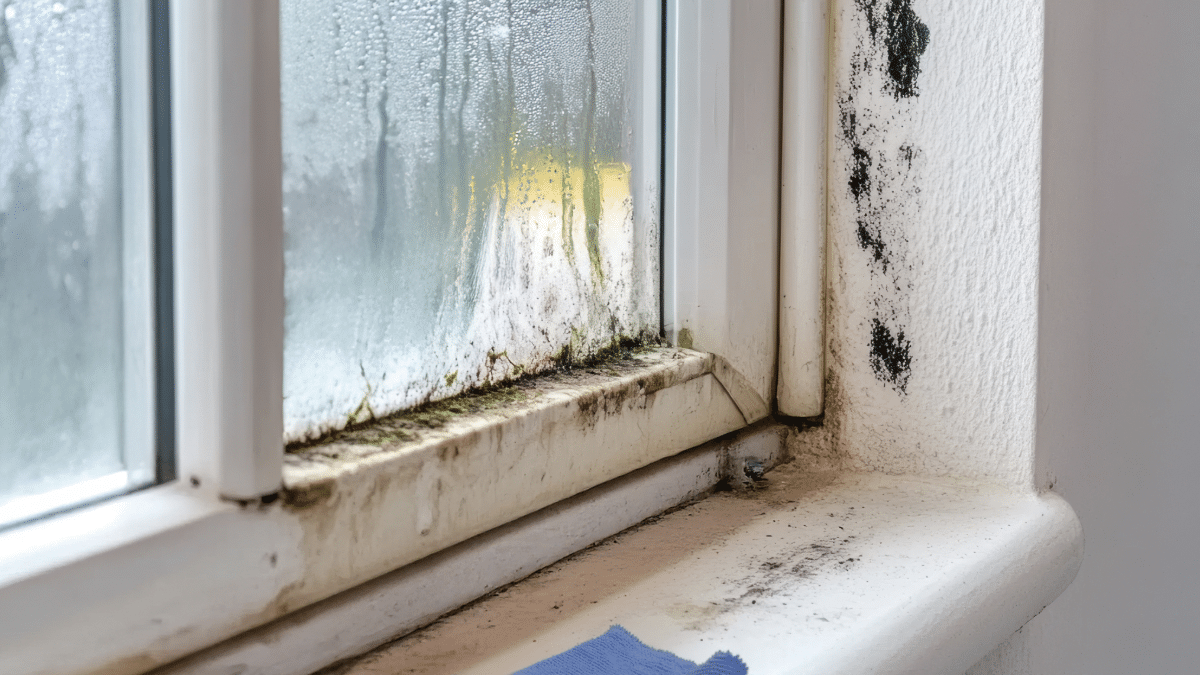
Mold During Florida Summers in North Merritt Island: What Merritt Island Property Owners Should Know
Florida summers in North Merritt Island are intense. High temperatures, daily humidity, frequent afternoon storms, and warm nights create nonstop moisture pressure on homes. While summer weather is expected, what often surprises property owners is how quickly mold can develop during this season — even in homes that appear well maintained.
In North Merritt Island, summer mold problems are rarely caused by one obvious failure. Instead, they develop as heat and humidity overwhelm normal drying processes. Understanding how Florida summers affect homes here helps property owners recognize early warning signs, protect their properties, and avoid costly remediation later.
Why Florida Summers Are Prime Time for Mold Growth
Summer brings a perfect combination of warmth and moisture. Mold thrives in warm, damp environments, and North Merritt Island delivers both in abundance from late spring through early fall.
Humidity levels often remain high day and night, especially near Sykes Creek, the Banana River, and the Indian River. Even when rain is not falling, moisture stays suspended in the air. This limits how quickly homes can dry out after normal daily activities, minor leaks, or condensation.
When materials remain damp for extended periods, mold can establish itself quietly and spread before visible signs appear.
How Summer Humidity Affects Homes in North Merritt Island
During summer, homes absorb moisture from multiple sources. Outdoor humidity enters through doors, windows, and small gaps in the building envelope. Everyday activities like cooking, showering, and laundry add even more moisture indoors.
In North Merritt Island, slab foundations and coastal airflow patterns allow moisture to linger near floors and walls. Attics also experience extreme temperature swings, causing warm, humid air to condense on roof decking.
Because drying is slow during summer, moisture accumulates faster than it can escape.
Why Mold Often Appears Mid-Summer
Many property owners expect mold to show up immediately when summer begins. In reality, mold often appears several weeks into the season.
Early summer moisture gradually raises humidity levels inside walls, attics, and flooring systems. Each humid day adds more moisture before the home fully dries from the previous one. Eventually, materials stay wet long enough for mold to grow.
This delayed buildup is why mold problems often seem to “suddenly” appear in July or August, even though conditions have been forming since late spring.
Common Summer Mold Locations in North Merritt Island Homes
Certain areas of homes are especially vulnerable during summer. Attics are one of the most common trouble spots. Heat buildup combined with humid air overwhelms ventilation systems, leading to condensation and mold on roof decking and framing.
HVAC systems are another frequent source. Constant operation creates large amounts of condensation. If drain lines clog or insulation fails, moisture escapes into surrounding materials.
Closets, especially those along exterior walls, are also common mold locations. Limited airflow allows humidity to become trapped during hot weather.
AC Systems and Summer Mold Risk
Air conditioning is critical in North Merritt Island summers, but it can also contribute to mold if not functioning properly. AC systems must remove moisture as well as cool air.
Oversized systems cool spaces quickly but shut off before removing enough humidity. This leaves indoor moisture levels high even when temperatures feel comfortable. Condensation problems around air handlers, drain pans, and ductwork are common during peak summer use.
When AC-related moisture is not controlled, mold risk increases significantly.
Slab Foundations and Summer Moisture
Most homes in North Merritt Island are built on slab foundations. During summer, heavy rain and a high water table increase ground moisture around these slabs.
Moisture can migrate upward, raising humidity inside the home and affecting lower wall sections and flooring. Baseboards, closets, and rooms near exterior walls often show early signs.
Because this moisture comes from below, it is frequently overlooked until mold becomes visible or odors appear.
Musty Odors During Summer Months
One of the earliest summer mold indicators is musty or earthy odors that appear during hot, humid weather. These smells often intensify in the afternoon or after storms.
Odors may come from hallways, closets, AC closets, or rooms along exterior walls. They often fade slightly overnight and return the next day, following humidity patterns.
These odors usually indicate hidden mold growth rather than surface issues.
Why Summer Mold Is Often Hidden
Summer mold growth commonly occurs out of sight. Wall cavities, attics, insulation, and areas behind furniture or stored items provide ideal hiding places.
Because humidity feels normal during summer, early warning signs are easy to dismiss. Property owners may assume dampness or odors are simply part of Florida living.
By the time mold is visible, growth is often more extensive than expected.
Why DIY Cleanup Rarely Works in Summer
DIY mold cleanup is especially challenging during summer months. High outdoor humidity limits drying effectiveness, even with fans or dehumidifiers.
Surface cleaning may remove visible mold but does not dry materials behind walls or under floors. Once humidity rises again, mold often returns quickly.
Without identifying and correcting moisture sources, DIY efforts usually lead to repeated problems.
The Importance of Summer Inspections
Summer requires a proactive approach. Waiting until visible mold appears often means waiting too long.
Property owners should inspect attics, AC closets, and areas near exterior walls during summer. Checking for condensation, damp insulation, or early staining helps catch problems before mold spreads.
Closets and storage areas deserve special attention during prolonged heat and humidity.
How Professional Inspections Help in Summer
Professional mold inspections focus on moisture behavior, not just visible growth. Inspectors use moisture meters and building knowledge to identify damp areas hidden behind surfaces.
In North Merritt Island, summer inspections often reveal moisture accumulation that looks dry on the surface but remains wet internally. This allows property owners to address issues early.
Mold Removal Merritt Island works with local property owners during summer months to identify moisture risks specific to coastal homes and seasonal conditions.
Proper Mold Remediation During Florida Summers
Remediation during summer requires careful moisture management. Removing mold without addressing ongoing humidity almost always leads to recurrence.
Effective remediation includes isolating affected areas, removing contaminated materials when necessary, and thoroughly drying the structure. HVAC performance and ventilation must be evaluated to prevent future growth.
Timing and technique are especially important when outdoor humidity remains high.
Preventing Mold During North Merritt Island Summers
Prevention starts with humidity control. HVAC systems should be serviced to ensure proper drainage and dehumidification. Drain lines must stay clear, and insulation around ductwork should be intact.
Using ventilation in bathrooms and kitchens reduces indoor moisture. Keeping closet doors open periodically improves airflow. Monitoring indoor humidity provides early warning of problems.
After storms, vulnerable areas should be checked promptly.
Why Local Experience Matters in Summer Mold Issues
Summer mold in North Merritt Island behaves differently than in inland areas. Coastal humidity, slab foundations, and daily storms change how moisture enters and lingers in homes.
Local experience means understanding where summer mold typically appears and how to address it effectively. This reduces guesswork and prevents repeat issues.
A Practical Approach for Property Owners
Mold during Florida summers is not a sign of poor maintenance. It is a predictable result of heat, humidity, and limited drying time.
A practical approach focuses on awareness, routine inspections, and early response. Addressing moisture quickly prevents small issues from becoming major remediation projects.
When summer mold concerns arise, professional evaluation provides clarity. Mold Removal Merritt Island is familiar with the specific challenges Florida summers create for homes in North Merritt Island and throughout Brevard County, offering guidance grounded in real local conditions.
.
