
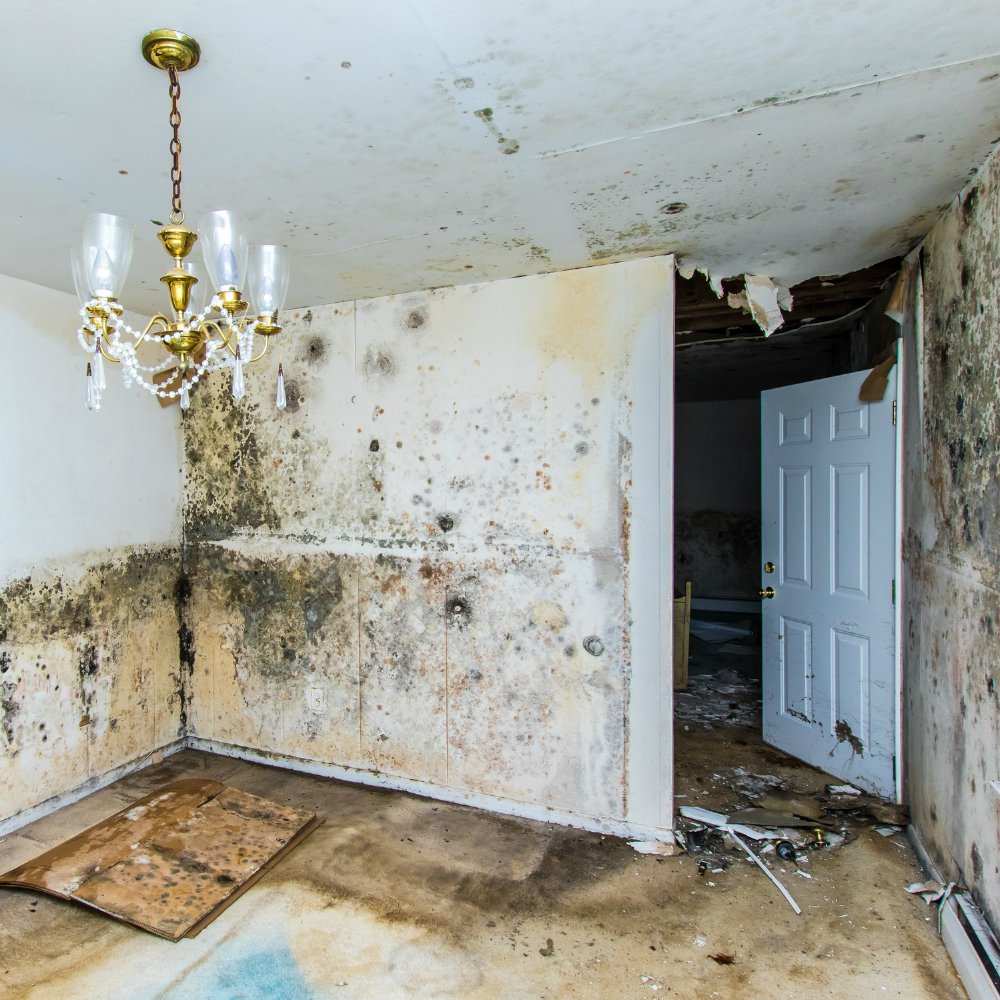
Mold After Flooding in Sykes Creek: What Merritt Island Property Owners Should Know
Flooding is an unfortunate reality for many properties around Sykes Creek and surrounding neighborhoods in Merritt Island. Waterfront living offers beautiful scenery and boating access, but homes near creeks, canals, and lagoon systems are more vulnerable to heavy rain events, tropical storms, and hurricane-related flooding.
After floodwaters recede, many homeowners focus on cleaning up visible damage and removing standing water. However, mold growth often becomes the next major concern. In Florida’s warm, humid climate, mold can begin developing within a short time after flooding, especially when moisture remains trapped inside walls, flooring, or insulation.
Understanding how mold forms after flooding — and what steps property owners should take — helps protect homes across Merritt Island from long-term damage and indoor air quality concerns.
How Mold Develops After Flooding
Floodwater affects homes differently than small plumbing leaks or roof drips. Flooding typically introduces large amounts of water into living spaces, soaking walls, flooring, furniture, and structural materials.
Once materials become saturated, moisture often remains trapped long after visible water is removed. Drywall, insulation, wood framing, cabinets, and flooring absorb water quickly, creating perfect conditions for mold growth.
Because Florida temperatures stay warm most of the year, mold spores begin growing rapidly when moisture is present. Growth may start within 24 to 48 hours if materials are not completely dried.
Floodwaters also bring contaminants, dirt, and organic material into homes, providing additional food sources for mold colonies.
Why Flood-Related Mold Problems Are Common Near Sykes Creek
Homes near Sykes Creek face several environmental conditions that increase flood and mold risks.
Waterfront Proximity
Properties located near creeks, canals, and low-lying areas are more likely to experience water intrusion during heavy rain or storm surge events.
Storm and Hurricane Exposure
Merritt Island regularly experiences tropical storms and hurricanes. Even storms that do not make direct landfall can produce heavy rainfall and localized flooding.
High Water Tables
Groundwater levels in coastal areas often sit close to the surface. During heavy rain, groundwater can rise and enter homes through foundations or slab flooring.
Slow Drying Conditions
High humidity slows evaporation, making it difficult for homes to dry fully after flooding. Moisture trapped inside walls or floors may remain unnoticed for weeks.
Older Construction Vulnerabilities
Some homes in Sykes Creek neighborhoods were built before modern flood-resistant standards. Older construction may allow water intrusion more easily.
These factors make flooding and subsequent mold growth recurring concerns for property owners in this area.
Signs Mold May Be Growing After Flooding
Mold does not always appear immediately after flooding. Many homeowners first notice subtle warning signs weeks later.
Common indicators include:
- Persistent musty odors after cleanup
- Stains or discoloration on walls or ceilings
- Paint peeling or bubbling
- Warped flooring or baseboards
- Damp or sticky indoor air
- Increased allergy-like irritation indoors
- AC systems producing moldy smells
Sometimes mold becomes visible only after furniture is moved or renovations begin.
Hidden Mold Locations After Flood Events
Flood damage frequently causes mold to develop in hidden areas that homeowners rarely inspect.
Common concealed mold locations include:
- Behind drywall and insulation
- Under laminate or vinyl flooring
- Beneath cabinets and appliances
- Inside ceiling cavities
- Crawl spaces with poor ventilation
- Attic insulation if water rises through walls
- HVAC systems exposed to moisture
Even if visible surfaces appear dry, moisture may remain inside structural materials long enough for mold to grow.
Homes located directly along Sykes Creek sometimes experience repeated minor flooding events, which gradually worsen hidden moisture problems.
Why DIY Flood Cleanup Often Leads to Mold
After flooding, many homeowners begin cleanup themselves using fans, shop vacuums, or household cleaners. While this may help in minor incidents, flood damage often requires more extensive drying and cleaning.
Surface drying does not remove moisture trapped inside walls or flooring. Mold continues growing unseen if materials remain damp.
Using bleach or sprays on mold stains only addresses surface appearance and does not eliminate contamination within porous materials.
Improper cleanup may also spread mold spores through the home when contaminated materials are disturbed.
Without correcting moisture sources and removing damaged materials, mold problems often return.
Professional Mold Inspection After Flooding
Professional mold inspections focus on identifying hidden contamination and locating moisture sources left behind after flooding.
A thorough inspection may include:
- Visual evaluation of affected areas
- Moisture readings inside walls and floors
- Infrared scanning to detect hidden damp areas
- Crawl space and attic inspections
- HVAC system evaluation
- Air or surface testing when appropriate
Laboratory analysis helps determine whether indoor mold levels exceed outdoor levels, indicating active growth.
Local professionals familiar with flood patterns seen by companies like Mold Removal Merritt Island understand common moisture behaviors in Sykes Creek homes, helping inspections move efficiently.
How Proper Mold Remediation Works After Flooding
Mold remediation after flooding focuses on safe removal and long-term prevention.
Professional remediation typically includes:
- Containment barriers to prevent spore spread
- HEPA air filtration during cleanup
- Removal of contaminated drywall, insulation, or flooring
- Cleaning structural framing
- Thorough drying and moisture control
- Repairing water intrusion sources
- Preventative recommendations for future storms
The goal is restoring indoor air quality and preventing mold from returning.
Preventing Mold After Flood Events
While flooding cannot always be prevented, homeowners can reduce mold risk with proactive steps.
Helpful strategies include:
- Removing standing water immediately
- Drying affected areas within 24–48 hours
- Removing water-damaged materials when necessary
- Inspecting homes after storms
- Maintaining proper drainage around properties
- Installing dehumidifiers where needed
- Keeping AC systems well maintained
- Scheduling professional inspections after flooding
Homes near creeks or canals benefit from post-storm inspections even when damage appears minor.
Why Local Experience Matters for Flood-Related Mold
Mold remediation in coastal communities requires understanding how local conditions affect homes. Merritt Island’s lagoon environment, frequent storms, and humidity create unique challenges compared to inland areas.
Professionals experienced with homes near Sykes Creek can quickly identify recurring trouble spots and recommend prevention strategies specific to local building styles.
Local expertise helps property owners address issues faster and avoid unnecessary repairs.
A Practical Next Step for Property Owners
If your home experienced flooding or water intrusion, scheduling a mold inspection can provide reassurance that hidden problems are not developing.
Early evaluation helps prevent larger repair costs and protects indoor air quality. Many flood-related mold issues can be resolved effectively when caught early.
Whether you own or manage property in Sykes Creek or elsewhere on Merritt Island, taking action after flooding helps ensure your home remains safe, comfortable, and structurally sound for years to come.
