
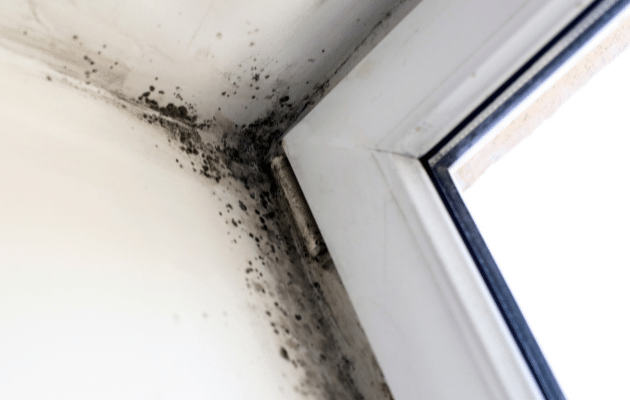
Mold FAQs in Merritt Island: What Merritt Island Property Owners Should Know
Mold questions are extremely common among property owners in Merritt Island. With the Banana River, Indian River, and surrounding lagoons influencing daily humidity, moisture is part of the environment year-round. Even well-maintained homes can experience mold issues simply because conditions here allow moisture to linger longer than in many other parts of Florida.
Homeowners, landlords, and property managers often have the same concerns: how mold starts, whether it’s serious, what causes it to return, and when professional help is actually needed. This FAQ-style guide addresses the most common mold questions specific to Merritt Island, using real-world local conditions rather than generic advice.
Why Is Mold So Common in Merritt Island Homes?
Mold is common here because moisture is constant. High humidity, frequent rain, salt air exposure, and a high water table all contribute to damp conditions inside homes.
Properties near Sykes Creek, the Banana River, and the Indian River often experience higher ambient moisture levels. Even without flooding or visible leaks, materials like drywall, wood framing, and insulation can absorb moisture from the air. When these materials stay damp long enough, mold can grow.
This is why mold can appear even in homes that don’t seem to have obvious water damage.
Does Mold Always Mean There’s a Leak?
No. While leaks are a common cause, mold does not always indicate an active leak. In Merritt Island, mold frequently develops due to humidity and condensation rather than direct water intrusion.
AC systems that are not removing enough moisture, poor ventilation in bathrooms, or warm humid air entering attics can all create conditions for mold. Slab foundations can also allow ground moisture to increase indoor humidity after heavy rain.
Leaks are one cause, but they are far from the only one in this area.
Where Does Mold Usually Grow First?
Mold often grows in places that are not immediately visible. Common locations in Merritt Island homes include behind drywall, under vinyl plank or tile flooring, inside air handler closets, in ductwork, and in attics with inadequate ventilation.
Bathrooms and laundry areas are frequent trouble spots due to moisture generation. Closets along exterior walls can also trap humidity, especially in older homes or those with limited airflow.
By the time mold is visible, it has often been present elsewhere for some time.
Is Surface Mold Cleaning Enough?
In most cases, no. Surface cleaning may improve appearance, but it rarely solves the underlying problem.
Mold roots can penetrate porous materials like drywall and wood. Cleaning the surface does not remove moisture trapped behind or beneath these materials. In Merritt Island’s humid environment, mold often returns if moisture conditions remain unchanged.
Effective mold control requires addressing both the growth and the moisture source that allowed it to develop.
Can Mold Come Back After Removal?
Yes, mold can return if the underlying conditions are not corrected. This is especially common in coastal environments.
If humidity remains high, ventilation is poor, or condensation issues persist, mold can regrow even after professional remediation. This is why prevention and moisture control are just as important as removal.
Long-term success depends on correcting airflow, humidity, and building-related moisture issues.
Is Mold Only a Problem After Storms or Flooding?
No. While storms increase risk, many mold problems in Merritt Island develop during normal weather patterns.
Persistent humidity, AC condensation, and small unnoticed leaks can lead to mold over time. Storms often reveal existing vulnerabilities, but they are not always the original cause.
That said, post-storm inspections are important because water intrusion can remain hidden inside walls or attics.
How Do I Know If Mold Is Hidden?
Hidden mold is common here. Signs include musty odors, increased indoor humidity, peeling paint, warped flooring, or rooms that feel damp despite air conditioning.
In some cases, occupants notice discomfort or persistent odors without seeing any visible growth. This often points to mold behind walls, under flooring, or in HVAC systems.
A professional inspection is usually required to confirm hidden mold and identify moisture sources.
What Does a Mold Inspection Actually Include?
A proper mold inspection goes beyond looking for visible growth. It focuses on understanding moisture behavior inside the home.
Inspections typically include a visual assessment, moisture readings inside walls and floors, evaluation of HVAC systems, and review of attic and ventilation conditions. When appropriate, air or surface sampling may be used to help determine whether mold levels are elevated.
In Merritt Island homes, inspections often reveal humidity-related issues rather than obvious leaks.
Is Mold Testing Always Necessary?
Not always. If visible mold is present and the moisture source is clear, testing may not add much value.
Testing is more useful when mold is suspected but not visible, when odors persist without a clear source, or when documentation is needed. The goal of testing is to provide clarity, not to replace inspection or remediation.
Decisions about testing should be based on the specific situation, not routine assumptions.
Why Does DIY Mold Removal Often Fail?
DIY mold removal usually fails because it focuses on cleaning rather than moisture control. Household cleaners and bleach may remove surface staining but do not address damp materials or airflow problems.
DIY methods can also spread mold spores if containment and filtration are not used. In homes with central air, this can distribute spores throughout the property.
In Merritt Island, where humidity remains high, mold often returns quickly after DIY cleanup.
What Makes Mold Different in Merritt Island Than Inland Areas?
Coastal conditions change how mold behaves. Higher humidity slows drying, salt air affects HVAC performance, and slab foundations interact with a high water table.
Mold here often develops gradually and reappears if moisture is not actively managed. Solutions that work inland may not be effective near the coast.
Local experience matters when diagnosing and preventing mold in this environment.
How Can Property Owners Reduce Mold Risk?
Prevention starts with moisture control. Regular HVAC maintenance, proper ventilation in bathrooms and kitchens, and routine attic inspections make a significant difference.
Monitoring indoor humidity, addressing leaks promptly, and inspecting properties after storms help catch problems early. For homes near waterways, these steps are especially important.
Small, consistent actions are more effective than reactive cleanup.
When Should a Professional Be Involved?
Professional help is recommended when mold keeps returning, when odors persist without visible growth, or when moisture sources are unclear. Inspections are also helpful after storms or when purchasing or managing rental properties.
A knowledgeable local professional understands how Merritt Island’s climate and building styles influence mold behavior. Mold Removal Merritt Island is one example of a local company familiar with these conditions and how to address them responsibly.
A Clear, Informed Way to Think About Mold
Mold is a moisture issue first and a cleanup issue second. In Merritt Island, understanding how humidity, ventilation, and building design interact is key to preventing problems.
By focusing on education, early detection, and moisture management, property owners can reduce mold risk and protect their properties long term. When questions arise, informed evaluation provides clarity and helps guide practical next steps without unnecessary alarm.
