
Mold in Retail Spaces in South Merritt Island: What Merritt Island Property Owners Should Know

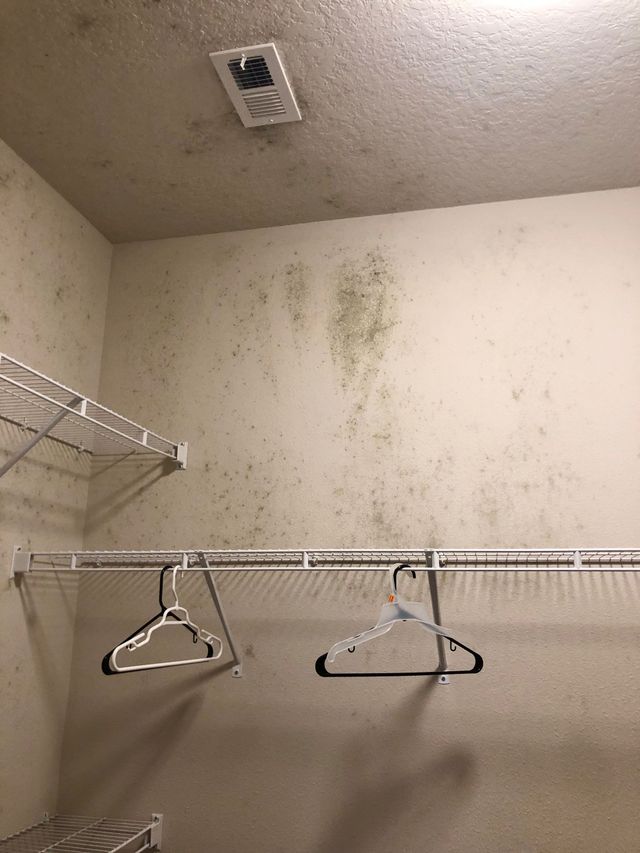
Retail spaces in South Merritt Island face a unique challenge that many property owners underestimate—persistent humidity combined with frequent air-conditioning use. Shops near Sykes Creek, the Banana River, and the Indian River operate in an environment where moisture moves easily through buildings, especially older structures or spaces with heavy foot traffic and constant door openings.
Many property owners first notice a faint musty smell in a storage room or behind shelving. Others notice ceiling tiles staining or warping after a rainy season. These early signs often point to moisture conditions that allow mold to grow quietly long before visible damage appears.
Understanding how mold develops in retail environments helps property owners prevent interruptions to business operations and avoid costly repairs.
What Mold in Retail Spaces Really Means
Mold in retail buildings rarely starts in areas customers see. It typically develops in back rooms, ceiling cavities, HVAC systems, or behind drywall where moisture remains trapped.
Retail properties differ from homes in several ways:
- Larger open interiors rely heavily on HVAC systems
- Frequent door openings allow humid air inside
- Storage areas often have limited ventilation
- Ceiling cavities and roof systems cover large areas
In South Merritt Island, humidity alone can support mold growth when airflow and moisture control are not balanced.
Mold does not require flooding or major leaks. Small, consistent moisture sources often cause the most persistent problems.
Why This Happens So Often in Merritt Island
Merritt Island’s island environment plays a major role. Buildings near waterways experience higher humidity and slower drying times than inland properties.
Key local factors include:
- Coastal and lagoon humidity year-round
- Salt air exposure affecting building materials
- High water tables in some areas
- Storms and heavy rainfall
- AC condensation in commercial systems
Retail spaces close to Banana River or Sykes Creek often experience elevated humidity indoors, especially during late summer. Roof systems and exterior walls also experience frequent thermal changes, which can lead to condensation in concealed areas.
These environmental conditions explain why mold appears more frequently in coastal commercial buildings than many owners expect.
Common Signs Property Owners Notice
Mold rarely appears suddenly. In most retail environments, subtle warning signs appear first.
Property owners and managers often notice:
- Musty or stale odors, especially early in the day
- Ceiling tile stains or discoloration
- Peeling paint in restrooms or back rooms
- Warped shelving or baseboards
- Increased humidity indoors
Employees sometimes notice air feeling heavy or damp before mold becomes visible. Odors near storage areas or stockrooms often indicate moisture behind walls or above ceilings.
These early signals should not be ignored, as they usually indicate conditions favorable for mold growth.
Hidden or Overlooked Mold Sources
Many of the most significant mold problems develop in areas that are rarely inspected.
Common hidden sources include:
- Behind drywall in restrooms or break areas
- Above suspended ceilings
- Under flooring near entrances
- Inside HVAC ductwork
- Areas affected by past roof leaks
Ceiling cavities in retail buildings often trap humid air, especially when insulation or ventilation is insufficient. Crawl spaces in certain structures may also retain moisture due to the high water table found in parts of Merritt Island.
Because these areas remain out of sight, mold may grow for months before anyone notices.
Why DIY Mold Removal Usually Fails
Retail property owners sometimes attempt to clean visible mold using household cleaners or bleach. While this may remove surface discoloration temporarily, it rarely solves the underlying problem.
DIY cleanup often fails because:
- Cleaning removes surface growth only
- Moisture sources remain uncorrected
- Spores spread during cleaning
- Hidden mold remains behind walls or ceilings
Mold almost always returns when humidity or moisture remains present. Surface cleaning improves appearance but does not address root causes.
This cycle can repeat until a professional inspection identifies where moisture is coming from.
Professional Mold Inspection & Testing Explained
A commercial mold inspection focuses on locating moisture sources, evaluating building materials, and identifying areas at risk.
Inspection typically includes:
- Visual evaluation of interior and exterior conditions
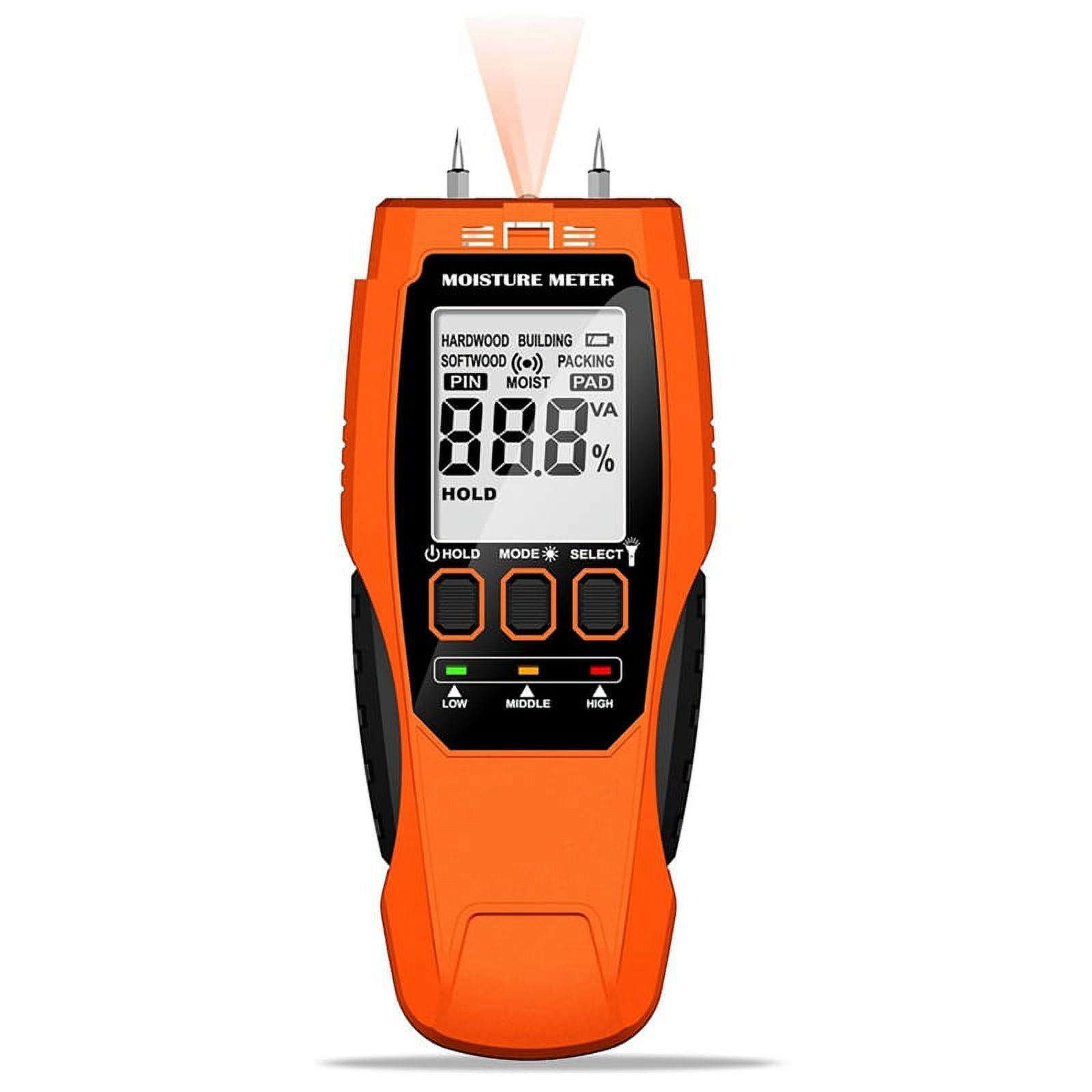
- Moisture detection in walls and ceilings
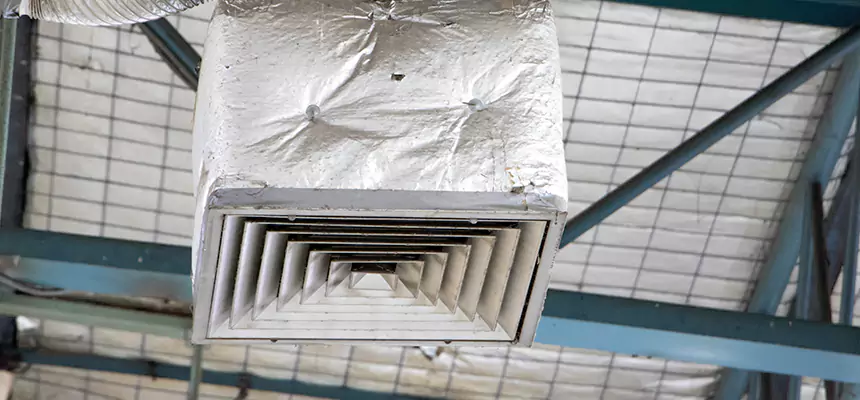
- Inspection of HVAC systems
- Identification of ventilation issues
In some situations, testing may be recommended to measure airborne mold levels or confirm conditions affecting indoor air quality.
Air or surface sampling can help determine:
- Whether indoor mold levels are elevated
- Differences between indoor and outdoor air
- Whether hidden mold may be present
Experienced local professionals, such as Mold Removal Merritt Island, often identify patterns specific to coastal commercial buildings, making diagnosis faster and more accurate.

Proper Mold Removal & Remediation Process
When mold is confirmed, remediation focuses on removing contamination safely and correcting moisture conditions.
A proper remediation process usually includes:
Containment
Preventing spores from spreading to unaffected areas.
Safe Removal
Removing contaminated materials and cleaning structural surfaces.
Moisture Source Correction
Repairing leaks, improving ventilation, or adjusting HVAC systems.
Prevention Measures
Ensuring conditions remain dry after remediation.
Commercial remediation often occurs in phases so business operations can continue when possible while maintaining safety.
How to Prevent Mold in Merritt Island Retail Spaces
Prevention focuses on controlling moisture and improving airflow.
Effective steps include:
- Maintaining HVAC systems regularly
- Monitoring indoor humidity
- Inspecting roofs after storms
- Checking ceilings and storage areas periodically
- Ensuring proper ventilation in restrooms and back rooms
After major storms, inspections help identify minor roof or flashing leaks before mold develops.
Moisture control remains the most effective long-term prevention strategy in coastal environments.
Why Local Merritt Island Experience Matters
Commercial buildings in Merritt Island behave differently than structures inland. Coastal humidity, salt air, and frequent storms create predictable moisture patterns.
Local experience helps with:
- Recognizing common leak points in coastal buildings
- Understanding humidity behavior near waterways
- Identifying mold risks in attics and ceiling cavities
Companies familiar with South Merritt Island, Indian River, and surrounding communities often diagnose problems faster because they understand local construction styles and climate conditions.
Mold Removal Merritt Island regularly works in these environments, and that local knowledge helps property owners resolve problems efficiently and prevent recurrence.

A Practical, Calm Next Step
If you manage or own a retail space in South Merritt Island and notice persistent odors, humidity issues, or ceiling staining, scheduling a professional inspection is often the most practical step. Early evaluation identifies moisture problems before they affect inventory, employees, or customers.
Mold problems rarely resolve on their own, but they are usually manageable when addressed early. With proper inspection, remediation, and prevention, retail spaces can remain clean, safe, and comfortable despite the challenges of Florida’s coastal climate.
COPY OPTION:
You can copy and paste this entire article directly for website use.
