
 Mold Inspections in South Merritt Island: What Merritt Island Property Owners Should Know
South Merritt Island, Florida
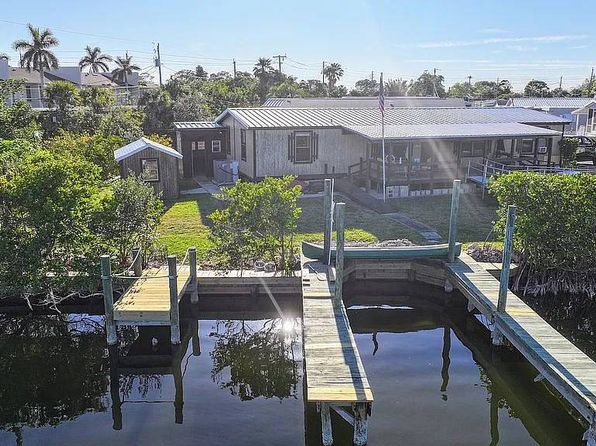
Living in South Merritt Island has its perks. Waterfront views, steady coastal breezes, and easy access to Sykes Creek, the Banana River, and the Indian River Lagoon make it one of the most desirable areas in Brevard County.
But that same beautiful environment creates ideal conditions for mold.
Between persistent humidity, salt-heavy air, high water tables, and seasonal storms, mold inspections aren’t just a “nice to have” here. They’re often a necessary part of responsible property ownership. Whether you own a single-family home, manage rentals, or maintain a waterfront property, understanding how mold behaves in South Merritt Island can save you significant stress and repair costs.
Let’s break down what you really need to know.
What a Mold Inspection Actually Is
A mold inspection isn’t just someone walking through your home looking for black spots on drywall.
It’s a structured evaluation of moisture conditions, visible growth, hidden problem areas, and air quality concerns. In South Merritt Island homes, we often see mold issues that begin with moisture intrusion — not obvious flooding, but small, persistent dampness that goes unnoticed.
An inspection typically looks at:
- Visible mold growth
- Water damage history
- Humidity levels
- HVAC systems
- Attics and crawl spaces
- Exterior intrusion points
The goal isn’t just to confirm mold exists. It’s to determine why it exists.
Why Mold Issues Are So Common in South Merritt Island
If your property sits near Sykes Creek or the Banana River, humidity is constant. Even homes a bit farther inland deal with the same moisture-heavy air.
Here’s what contributes locally:
Persistent Coastal Humidity
South Merritt Island rarely gets a break from elevated humidity. Even in cooler months, moisture lingers in the air. When that moisture settles inside walls, insulation, or ductwork, mold has what it needs.
High Water Tables
Because the island is surrounded by water, the water table is naturally high. That can allow moisture to migrate upward through slab foundations or into crawl spaces.
Storms and Hurricanes
After heavy rain or tropical systems, even minor roof or window leaks can lead to hidden moisture behind drywall. Sometimes mold begins weeks after the storm, when everything looks “dry” on the surface.
AC Condensation Issues
Air conditioning runs almost year-round here. Poorly insulated ductwork, clogged drain lines, or oversized systems can create condensation buildup — especially in attics.
Over time, that becomes a mold hotspot.
Common Signs Property Owners Notice
Many homeowners call for inspections after something feels off — not necessarily after seeing visible mold.
Here are typical warning signs in South Merritt Island properties:
- Persistent musty odors
- Dark spotting near vents or baseboards
- Peeling paint or bubbling drywall
- Warped flooring
- Increased allergy-like symptoms indoors
- Excess indoor humidity
In waterfront homes especially, odors are often the first indicator. Mold can grow behind walls long before it becomes visible.
Hidden Mold Sources in Merritt Island Homes
Some of the most serious mold problems we see are in places homeowners rarely look.
Behind Drywall
A small plumbing leak under a sink or inside a wall cavity can stay undetected for months.
Under Flooring
Tile over slab foundations can trap moisture underneath, especially after flooding or plumbing issues.
Attics
Attics in South Merritt Island are frequent problem areas. Poor ventilation combined with AC condensation often leads to mold growth on roof decking.
HVAC Systems
Ductwork sweating in humid attic spaces is common here. Once mold enters the system, spores can circulate throughout the home.
Past Storm Damage
Even if repairs were completed, if materials weren’t properly dried, mold can remain dormant until humidity increases.
This is why a proper inspection looks beyond the obvious.
Why DIY Mold Checks Often Miss the Problem
It’s understandable to want to handle small issues yourself.
But there are common misconceptions:
Bleach Does Not Solve Mold at the Root
Bleach may lighten surface stains, but it does not penetrate porous materials like drywall or wood.
Surface Cleaning Isn’t Enough
If moisture isn’t addressed, mold will return.
Spore Spread Is Easy
Scrubbing visible mold without containment can release spores into the air, spreading contamination.
Hidden Moisture Requires Equipment
Moisture meters and thermal imaging tools detect damp areas you can’t see or feel.
A proper inspection identifies the moisture source first. Without that step, removal efforts often fail.
What Professional Mold Inspection Involves
A thorough inspection in South Merritt Island typically includes:
Visual Assessment
Identifying visible growth, staining, and water damage patterns.
Moisture Detection
Using specialized meters to measure moisture in walls, ceilings, and flooring.
Humidity Evaluation
Checking indoor humidity levels and HVAC performance.
Air or Surface Sampling (When Necessary)
Not every inspection requires lab testing, but in uncertain situations, samples help confirm spore levels and types.
Lab results are explained clearly, without alarmist language — just practical guidance on what they mean for your property.
Companies like Mold Removal Merritt Island focus on diagnosing the moisture cause first, because that determines the right solution.
How Mold Remediation Is Properly Done
If mold is confirmed, remediation follows a structured process.
Containment
Affected areas are isolated to prevent spore spread.
Safe Removal
Contaminated materials are carefully removed or cleaned using appropriate methods.
Moisture Source Correction
Leaks are addressed. Ventilation is improved. Condensation issues are resolved.
Cleaning and Prevention
Air filtration and surface cleaning ensure spores are reduced to normal environmental levels.
The most important part is correcting the moisture condition. Without that, mold returns.
Preventing Mold in South Merritt Island Properties
Because of our climate, prevention is ongoing — not one-time.
Here are practical, coastal-specific steps:
- Keep indoor humidity below 60%
- Service AC systems annually
- Inspect attic ventilation
- Check around windows and roof penetrations after storms
- Use dehumidifiers in vulnerable spaces
- Ensure proper grading around the foundation
- Inspect waterfront properties more frequently
After major storms, even if there’s no visible flooding, it’s wise to check for hidden moisture.
Salt air also accelerates corrosion around windows and exterior penetrations, which can eventually allow water intrusion.
Why Local Experience Makes a Difference
Mold behaves differently in South Merritt Island than it might inland.
Local professionals understand:
- Slab foundation moisture patterns
- Common attic ventilation issues
- Waterfront property risks
- Seasonal humidity spikes
- How storms impact older construction
Someone familiar with Sykes Creek properties will recognize signs specific to waterfront homes. The same goes for properties near the Banana River or Indian River.
Mold Removal Merritt Island has worked in both North and South Merritt Island, which allows for faster and more accurate diagnosis based on real local patterns.
When Should You Schedule an Inspection?
You don’t need visible mold to justify an inspection.
Consider scheduling one if:
- You recently experienced water intrusion
- Your home smells musty
- Indoor humidity feels persistently high
- You’re purchasing or selling a property
- Tenants report air quality concerns
- You own a waterfront home and haven’t inspected in years
Mold inspections aren’t about panic. They’re about clarity.
Final Thoughts for South Merritt Island Property Owners
Owning property in South Merritt Island comes with unique environmental challenges. The same waterways that make this area beautiful also create constant moisture pressure on homes.
Mold inspections provide peace of mind. They identify small problems before they become structural repairs. They help landlords protect investments. They help homeowners maintain healthy indoor environments.
If something doesn’t seem right — or if you simply want confirmation that everything is dry and stable — a professional inspection is a practical next step.
A careful, localized evaluation can make all the difference in protecting your Merritt Island property for the long term.
